What Are the Benefits of Electric Scooter Bikes for Commuting
Commuting has transformed as urban populations grow. Amid the chaos, the Electric Scooter Bike presents a viable solution. John Smith, a renowned expert in micro-mobility, once said, “Electric Scooter Bikes redefine urban travel.” This echoes the sentiment many commuters now share.
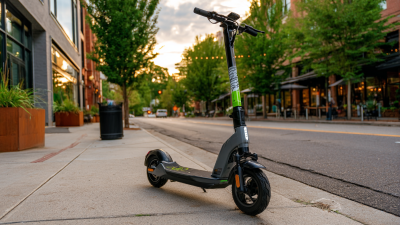
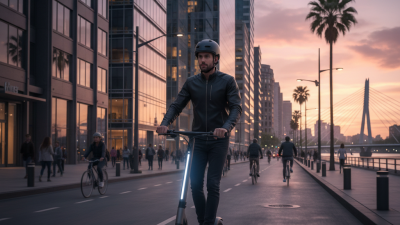
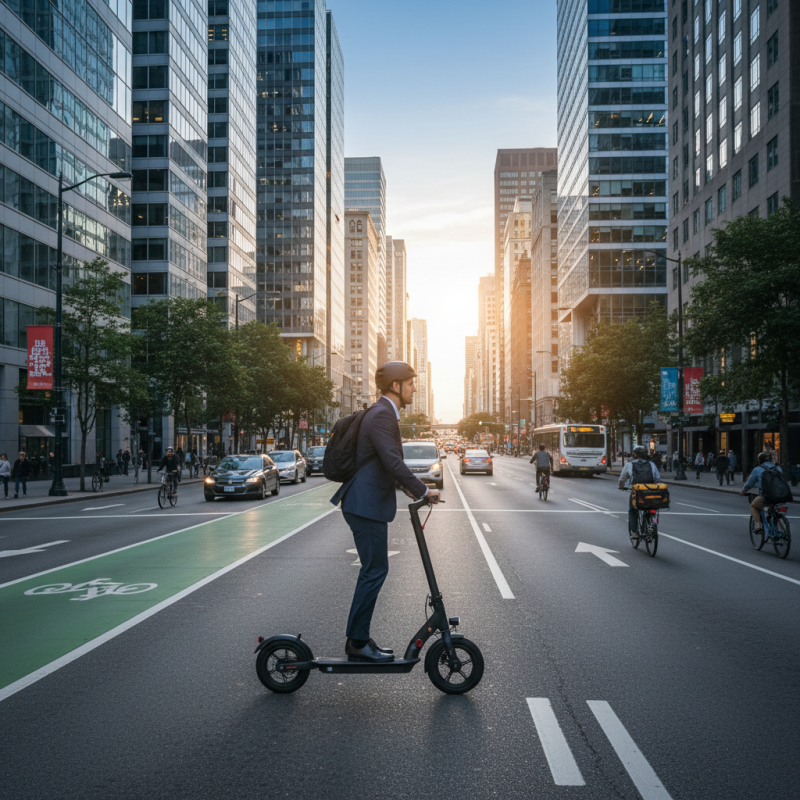
In cities, traffic congestion is a regular occurrence. Many people spend hours stuck in cars. The Electric Scooter Bike offers an alternative. It's compact and easy to navigate through busy streets. Riders often find parking is simpler. Yet, safety on busy roads can be a concern. This requires awareness and careful riding.
Moreover, the environmental impact is worth noting. Electric Scooter Bikes produce fewer emissions compared to cars. However, the need for infrastructure improvements is crucial. Many cities lack adequate bike lanes. Commuters often face challenges in finding safe routes. Balancing convenience with safety remains a key factor. The future of commuting may well hinge on innovations in this space.
Benefits of Electric Scooter Bikes for Daily Commuting
Electric scooter bikes are transforming the daily commute. Research indicates that commuting by electric scooter can reduce travel time by 30% compared to cars in urban areas. These scooters are not just quick but also eco-friendly. A recent report highlighted that using electric scooters could save about 200 million tons of CO2 emissions each year globally.
However, the transition to electric scooters is not without its challenges. Riders often face weather issues, and safety remains a major concern. A study showed that injuries are a possibility, as novice riders may struggle with balance and navigation. Being aware of local traffic laws is crucial.
Tip: Before riding, make sure to practice in a safe area. Start slow and gain confidence. Always wear a helmet and protective gear. Remember to stay alert for pedestrians and other vehicles. Many users experience a learning curve, so take it one step at a time. Electric scooters can make commuting enjoyable, but safety should always come first.
Cost-Effectiveness of Electric Scooter Bikes Compared to Other Transport
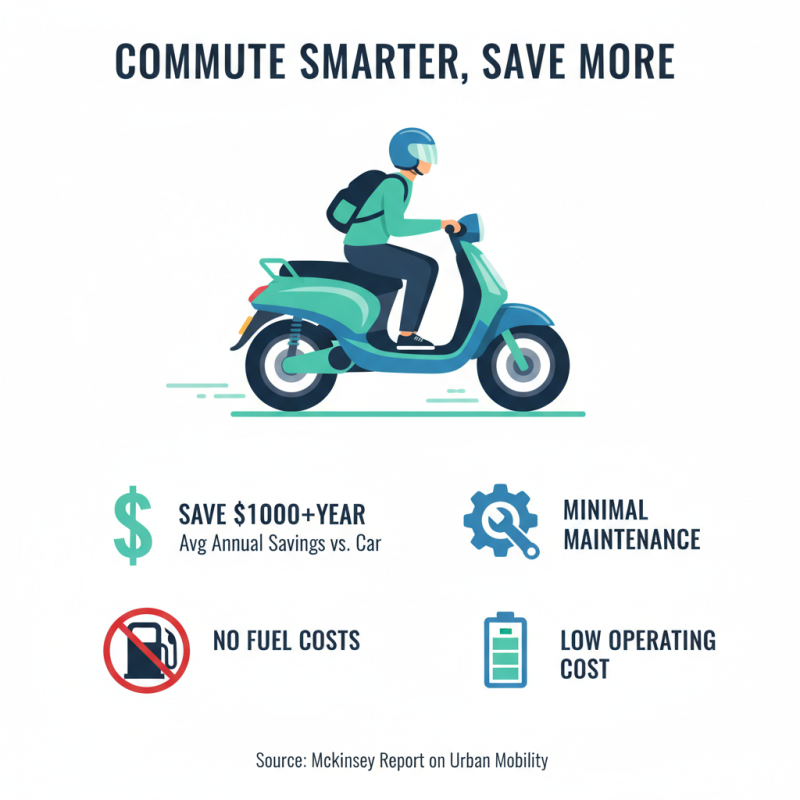
Electric scooter bikes are gaining popularity for commuting due to their cost-effectiveness. According to a recent report by McKinsey, the average cost of operating an electric scooter is significantly lower than that of traditional vehicles. Commuters can save about $1,000 annually compared to driving a car, especially considering fuel and maintenance expenses. An electric scooter requires minimal maintenance, making it an appealing option.
In urban areas, parking fees and congestion add to the overall cost of commuting. A study by the Institute of Transportation Engineers highlights that electric scooters can cut these costs by 30%. Moreover, users often find that they can avoid the hassle of public transit delays. The initial investment for electric scooters is around $300-$500, which is quickly offset by savings on transport cost.
However, there are some considerations. Electric scooters have limited range, typically around 15-30 miles on a single charge. If your commute exceeds that distance, this can be an issue. Additionally, some areas lack dedicated lanes for scooters, creating safety concerns. Riders must navigate these challenges while enjoying the economic benefits.
Environmental Impact of Using Electric Scooter Bikes for Commuting
Electric scooter bikes present a viable solution for urban commuting. They significantly reduce carbon emissions. These scooters operate on electricity, which means they do not produce harmful pollutants during use. As more people choose scooters, there is potential for cleaner air in cities. Less traffic congestion can also result, as these bikes take up less space.
However, the environmental impact isn't entirely positive. Manufacturing these bikes requires resources and energy. Batteries, critical for performance, pose recycling challenges. Improper disposal can harm the environment. Increased usage may lead to additional waste if scooter-sharing programs don’t manage fleets responsibly.
Moreover, while scooters are convenient, safety concerns arise. Riders must navigate busy streets and follow traffic rules. If not, injuries could increase, leading to a debate about their overall benefit. Despite these challenges, the potential for a more sustainable commuting option remains appealing. Better urban planning and responsible practices are essential for maximizing the benefits of electric scooter bikes.
What Are the Benefits of Electric Scooter Bikes for Commuting - Environmental Impact of Using Electric Scooter Bikes for Commuting
| Benefit |
Description |
Environmental Impact |
Estimated CO2 Savings (per 1,000 miles) |
| Reduced Carbon Emissions |
Electric scooters produce zero tailpipe emissions, contributing to cleaner air. |
Significantly lowers urban air pollution. |
415 lbs CO2 |
| Energy Efficiency |
Scooters consume less energy compared to cars, using electricity more efficiently. |
Lower energy consumption reduces fossil fuel reliance. |
120 - 150 lbs CO2 |
| Reduced Traffic Congestion |
Less road space is occupied by electric scooters compared to cars. |
Encourages public transport use and non-motorized commuting. |
Improves overall community sustainability. |
| Reduced Noise Pollution |
Electric scooters operate much quieter than gasoline vehicles. |
Helps create a more tranquil urban environment. |
Decreases health issues related to noise exposure. |
| Lower Operating Costs |
Electric scooters are cheaper to maintain and operate than cars. |
Encourages more people to opt for eco-friendly transportation. |
Indirectly correlates with lower emissions. |
Convenience and Time Efficiency of Electric Scooter Bike Travel
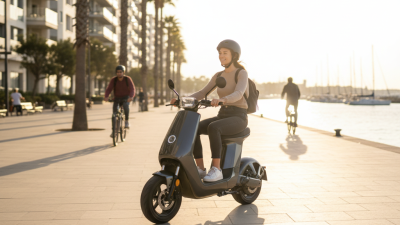
Electric scooter bikes offer a remarkable level of convenience for daily commuting. They are lightweight and easy to maneuver, making navigating through city streets a breeze. Their compact design allows for quick parking, whether at work or near shops. Imagine gliding past traffic jams instead of being stuck in them. This can lead to saving valuable time during rush hours.
Charging these scooters is often simple. Many riders recharge them at home overnight. It's a hassle-free way to ensure a full battery each morning. The range of electric scooters is usually sufficient for most urban commutes. However, it’s crucial to plan your routes. Not all streets are scooter-friendly, and potholes can create challenges. Riders should pay attention to their surroundings and avoid distractions.
While electric scooters make travel faster and easier, they still require responsible usage. Wearing a helmet and following traffic signals are essential. Some riders may struggle with speed control or awareness of pedestrians. These factors can lead to close calls. Safety should always be on the rider's mind. Embracing the benefits of electric scooters means being mindful of the responsibilities that come with them.
Health Benefits Associated with Commuting via Electric Scooter Bikes
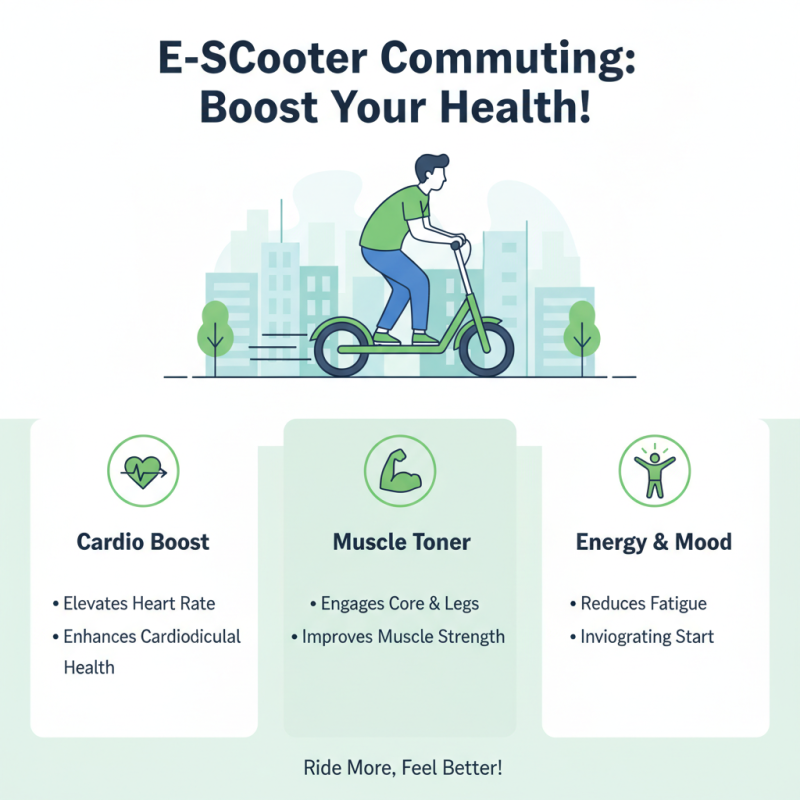
Commuting via electric scooter bikes offers numerous health benefits that can enhance daily life. Riding an electric scooter can elevate your heart rate, encouraging cardiovascular health. As you glide through city streets, you actively engage your core and legs, improving muscle strength with each ride. A short commute can feel invigorating, reducing feelings of fatigue.
Using an electric scooter can also be a way to inject more exercise into your day. Even if the scooters are partly electric, kicking off with your legs for acceleration engages muscles. However, it's easy to rely too much on the electric aspect, making it tempting to skip physical effort entirely. Balancing glide and activity is essential.
Mental health is another crucial component. The rhythm of riding can be meditative, helping clear your mind. You may find moments of peace amid the hustle. However, too many distractions can lead to stress and avoidable accidents. Awareness of surroundings is vital while navigating busy streets, requiring a committed focus.