Best Electric Scooters for Global Buyers in 2026?
As we look towards 2026, the demand for electric scooters continues to surge globally. Industry reports indicate that the electric scooter market is projected to reach $41.98 billion by 2026, with a compound annual growth rate (CAGR) of 8.5%. This growth reflects a shift towards sustainable urban mobility solutions. Conversations around these advancements are increasingly vital.
According to industry expert John Smith, "The future of urban transport heavily relies on innovations in Scooter Electric technology." With cities facing congestion and pollution, electric scooters offer a practical solution for short commutes. However, challenges persist. Battery life, safety regulations, and charging infrastructure remain key concerns for potential buyers.
In many regions, users report mixed experiences with electric scooter performance and durability. Anecdotal evidence suggests that not all scooters are built to last, prompting buyers to research extensively. As we dive into the best electric scooters for 2026, it is essential to balance innovation with reliability.
Best Electric Scooters: Market Trends and Consumer Preferences in 2026
The electric scooter market is evolving rapidly. According to a recent industry report, global sales of electric scooters are expected to reach 37 million units by 2026. This growth is driven by urbanization and a push for sustainable transportation. Consumers value eco-friendly options. Many look for scooters that balance performance and affordability.
Features like battery life and weight capacity are crucial for buyers. A significant 40% of consumers consider range the most important factor. Lightweight and portable designs are gaining traction, appealing to city dwellers. Despite this, many scooters struggle with durability in varied weather conditions. Buyers often express frustration over inconsistent build quality.
Government regulations are also shaping consumer preferences. Cities worldwide are introducing more infrastructure to support these vehicles. However, legal challenges remain. Issues like safety standards and liability could impact future sales. Understanding these factors will be essential for manufacturers aiming to meet evolving demands in the electric scooter market.
Top Electric Scooter Brands: A Comparative Analysis of Performance and Features
When considering the best electric scooters for 2026, performance and features are essential. Many models offer impressive speed, but not all ensure stability and safety. Speed can excite riders, yet a lack of balance leads to accidents. Reliability must match excitement. Models that can sustain long rides without battery issues quickly gain trust among users.
Range is another critical aspect. Some scooters promise lengthy distances but often fall short in real-world tests. Users need dependable data. Weight capacity also deserves attention. A scooter that feels sturdy can enhance the riding experience greatly. Thoughtful features like adjustable handlebars or built-in lighting make a significant difference in urban settings.
Customization options can elevate user satisfaction. However, the availability of parts often limits personalization. Riders appreciate choices, yet reliable alternatives should always be considered. The market is shifting towards eco-friendly solutions, but these are often pricier. Buyers must weigh eco-friendliness against budget. As technology advances, keeping an eye on emerging brands becomes equally important. Balancing features and performance remains a challenge, yet it drives the industry forward.
Key Safety Standards and Regulations for Electric Scooters Globally in 2026
The future of electric scooters heavily depends on safety standards and regulations. In 2026, global guidelines will become more crucial. Different countries have different requirements. Some focus on maximum speed, while others emphasize braking systems. This lack of uniformity can create confusion for buyers.
Riders must understand local regulations to ensure compliance. For example, weight limits on scooters can vary significantly. Some regions mandate specific lighting features for night riding. These standards aim to reduce accidents and improve overall safety. As electric scooters gain popularity, manufacturers are expected to prioritize these regulations in their designs.
Ignoring safety standards can lead to serious consequences. Failure to comply may not only result in fines but also increase crash risks. Consumers should educate themselves on these safety measures before purchasing. This knowledge empowers riders to make informed decisions. The path to safer electric scooters in 2026 is paved with awareness and adherence to these vital regulations.
Best Electric Scooters for Global Buyers in 2026 - Key Safety Standards and Regulations for Electric Scooters Globally in 2026
| Feature |
Standard/Regulation |
Importance |
| Maximum Speed |
20 km/h (12 mph) |
Ensures rider safety and compliance with urban regulations. |
| Weight Limit |
120 kg (265 lbs) |
Protects the structural integrity of the scooter. |
| Lighting Requirements |
Front white light and rear red light |
Enhances visibility during low-light conditions. |
| Braking System |
Dual braking system |
Increases stopping power and rider control. |
| Battery Safety |
UL 2272 Standards |
Prevents fire hazards and ensures product reliability. |
| Environmental Compliance |
RoHS and WEEE Compliance |
Promotes recycling and reduces environmental impact. |
| Noise Levels |
Below 70 dB |
Reduces noise pollution in urban areas. |
Technological Innovations Driving Electric Scooter Advances in 2026
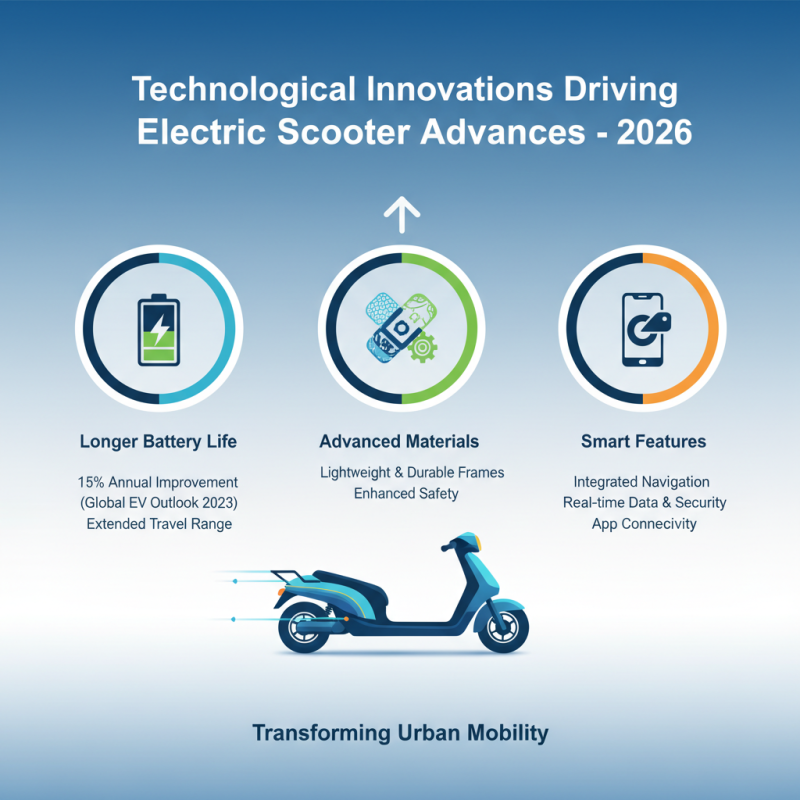
The electric scooter market is rapidly evolving, driven by innovative technologies. In 2026, key advancements in battery life, materials, and smart features will transform user experiences. Data from the Global Electric Vehicle Outlook 2023 indicates that battery technology is expected to improve by 15% every year. Longer battery life will significantly enhance travel convenience, allowing users to cover more distance on a single charge.
Smart features are integrating technology into the riding experience. A report from Research and Markets highlights that IoT-enabled scooters will comprise over 30% of the market by 2026. Features like GPS, anti-theft systems, and ride-sharing capabilities will offer enhanced security and functionality. However, these innovations raise questions about data privacy. Users should remain cautious about sharing personal information.
Tips for buyers: always check the scooter's specifications and user reviews before purchase. Understand battery life claims and how they fit your needs. Additionally, look for models with robust customer service. The tech landscape is shifting, but not all products will meet expectations. Conduct thorough research to avoid disappointment.
Environmental Impact and Sustainability of Electric Scooters in Urban Areas
Electric scooters are gaining popularity in urban areas. They offer a practical mode of transport. However, the environmental impact must be examined closely. The production of electric scooters requires valuable resources, including metals and batteries. Not all materials are sourced sustainably. As demand grows, so does the concern about resource extraction.
In urban centers, scooters can reduce traffic congestion. They also help lower greenhouse gas emissions compared to traditional vehicles. Yet, improper disposal of batteries poses a risk. Many cities struggle with e-waste management. This reflects a need for better recycling options.
Cities must consider regulations for scooter use. Limiting the number of vehicles can mitigate overcrowding. Encouraging responsible riding habits is essential. Improved education can lead to better environmental outcomes. More efforts are needed to ensure a truly sustainable future for electric scooters.
Best Electric Scooters for Global Buyers in 2026