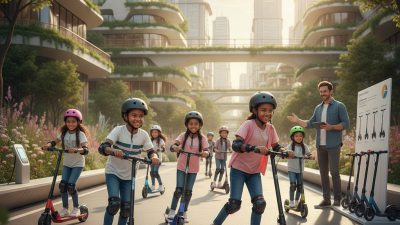
Top Tips for Choosing the Best Electric Scooters For Kids
When it comes to selecting the ideal Electric Scooters For Kids, parents face important decisions. The right choice can enhance their child’s outdoor experience. However, not every scooter is created equal. Features vary widely, and risks exist. Therefore, it's essential to understand these scooters' specifications and characteristics.
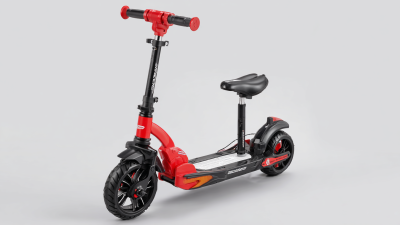
Electric Scooters For Kids should prioritize safety and durability. Age, weight capacity, and speed are crucial factors. Look for models with sturdy frames and reliable brakes. Also, consider the scooter's size and ease of use. A scooter that fits your child well can significantly influence their enjoyment and safety.
Be aware that some popular brands may oversell features. Always read customer reviews and expert recommendations. These insights can reveal the scooter's real-world performance. Don't rush the decision-making process. Take your time to find the best match for your child’s needs and preferences.
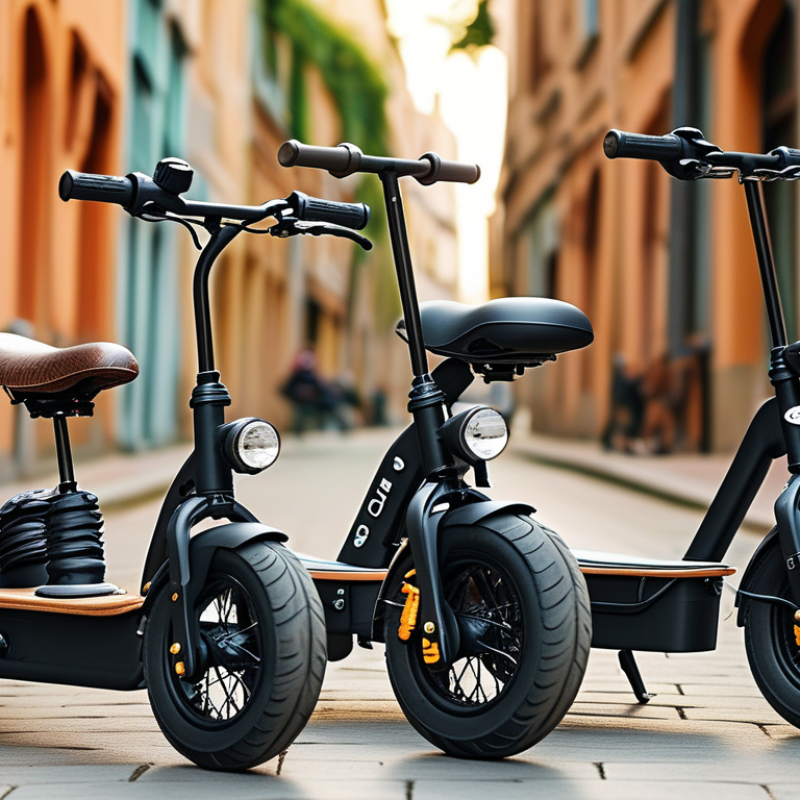
Understanding the Importance of Age and Weight Limits for Kids' Scooters
Choosing the right electric scooter for kids requires careful consideration of age and weight limits. These factors ensure the safety and enjoyment of young riders. According to the Consumer Product Safety Commission, injuries from electric scooters can rise with improper weight handling. For instance, scooters designed for kids typically support up to 150 pounds. Exceeding this limit may affect stability and control.
Age is equally critical. Electric scooters often come with recommended age ranges. The American Academy of Pediatrics emphasizes that children under eight may lack the coordination necessary for safe riding. Many models cater specifically to older kids, ranging from ages 8 to 14. However, it is vital to evaluate the maturity level of the child. They should have adequate skills to manage speed and navigate obstacles.
When selecting a scooter, it's beneficial to involve children in the process. Allowing them to choose can foster a sense of responsibility. Still, parents must assess whether their child's weight falls within the recommended limits. It's also essential to regularly check for wear and tear. Regular maintenance can help prevent accidents. While many scooters will state weight limits, user experiences often reveal discrepancies. This inconsistency highlights the necessity of individual testing.
Key Features to Look For in a Kid's Electric Scooter
When selecting an electric scooter for kids, it's essential to consider several key features. First, safety should be a top priority. Look for scooters equipped with solid brakes and wide, anti-slip decks. These elements can greatly enhance stability during rides. Additional safety features like LED lights can also make your child more visible in low-light conditions.
Another critical aspect is the scooter's speed settings. Many scooters offer adjustable speed options. This allows parents to control the maximum speed as the child gains confidence. Additionally, check the weight limit and overall durability of the scooter. A sturdy frame can withstand rough usage and last longer, providing better value.
Battery life and charging time are crucial as well. A model that can run several hours on a single charge will provide more fun and less downtime. Parents should also think about the size and weight of the scooter. It should be easy for a child to handle and store. Some scooters may seem perfect at first glance but can disappoint over time, especially if they're too heavy or difficult to maneuver. Careful evaluation will ensure a more satisfying choice for both kids and parents.
Safety Considerations: Helmets and Protective Gear for Young Riders
When considering electric scooters for children, safety should always be a priority. A report by the U.S. Consumer Product Safety Commission indicates that over 30,000 injuries related to scooters occur annually, particularly among young riders. Wearing helmets can significantly reduce the risk of head injuries. Studies show that about 85% of head injuries could be prevented with proper helmet use.
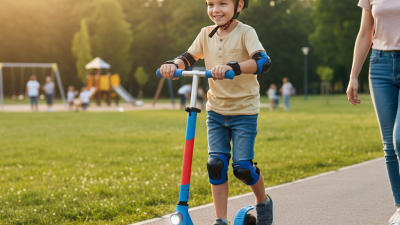
Choosing the right helmet is essential. Look for a helmet that fits snugly but comfortably. It should meet safety standards such as the CPSC or ASTM certifications. Incorporating protective gear like knee and elbow pads can also enhance safety. These items absorb shock during falls and help prevent scrapes and bruises.
Consider this simple tip: Encourage children to wear their protective gear before every ride. Habits form early, and consistent use can save them from serious injuries. Remember, it might feel cumbersome at first, but these precautions are vital. In some cases, young riders may resist wearing gear. This is common, but parents must emphasize its importance. After all, preventing even minor injuries is worth any initial resistance.
Battery Life and Charging Times: What Parents Need to Know
When considering electric scooters for kids, battery life and charging times are crucial factors for parents. Reports suggest that the average battery life of children's electric scooters ranges from 40 to 60 minutes of continuous use. This duration can vary based on the model and riding conditions. Parents should check specifications to determine how long their child can ride before needing a recharge.
Charging times generally vary between 4 to 12 hours per full charge. More advanced models may offer quick charge features. However, these can lead to decreased battery performance over time. It’s essential to ensure that the scooter is fully charged before each use. Inconsistently charging the battery can lead to a shorter overall lifespan, which many parents underestimate.
Parent reviews often highlight that a scooter with a long-lasting battery can enhance a child's overall experience. Kids enjoy longer rides without frequent stops. A battery that requires daily charging can become inconvenient for families. Ultimately, it’s important to find the right balance between usage time and charging requirements. This consideration will lead to a more enjoyable and hassle-free experience for both children and parents.
Comparing Different Electric Scooter Models: Value and Performance
When choosing an electric scooter for kids, performance and value are essential factors. Various models offer different features that cater to different needs. For instance, consider the maximum speed and range. A scooter that travels up to 10 mph can be perfect for neighborhood rides. Meanwhile, a range of 10-15 miles suits longer adventures.
Safety is another crucial aspect. Look for scooters with reliable braking systems and sturdy builds. Models with wider wheels provide better stability. Check for features like lights and reflectors, especially for evening rides. Some scooters have adjustable handlebars, making them adaptable as your child grows.
However, not every option is perfect. Performance can vary based on terrain. Some scooters may struggle on inclines or bumpy paths. Buyers should read reviews and consider weight limits. Reflecting on these details can help avoid dissatisfaction later. Remember, the best scooter is one that fits your child's needs while being safe and enjoyable.
Top Tips for Choosing the Best Electric Scooters For Kids - Comparing Different Electric Scooter Models: Value and Performance
| Model |
Top Speed (mph) |
Range (miles) |
Weight (lbs) |
Battery Life (hrs) |
Age Recommendation |
Price ($) |
| Model A |
10 |
12 |
28 |
5 |
6+ |
150 |
| Model B |
8 |
10 |
24 |
4 |
5+ |
120 |
| Model C |
12 |
15 |
30 |
6 |
8+ |
180 |
| Model D |
9 |
8 |
22 |
3.5 |
4+ |
100 |
| Model E |
15 |
18 |
35 |
7 |
10+ |
220 |