Inquiry
Form loading...

China Top 10 Electric Scooter Accessories Suppliers

China has become a major sourcing hub for Electric Scooter Accessories, serving brands, distributors, repair shops, and daily riders worldwide. This guide introduces ten notable suppliers and explains why they deserve attention. It focuses on product range, manufacturing experience, quality systems, communication, and export reliability.

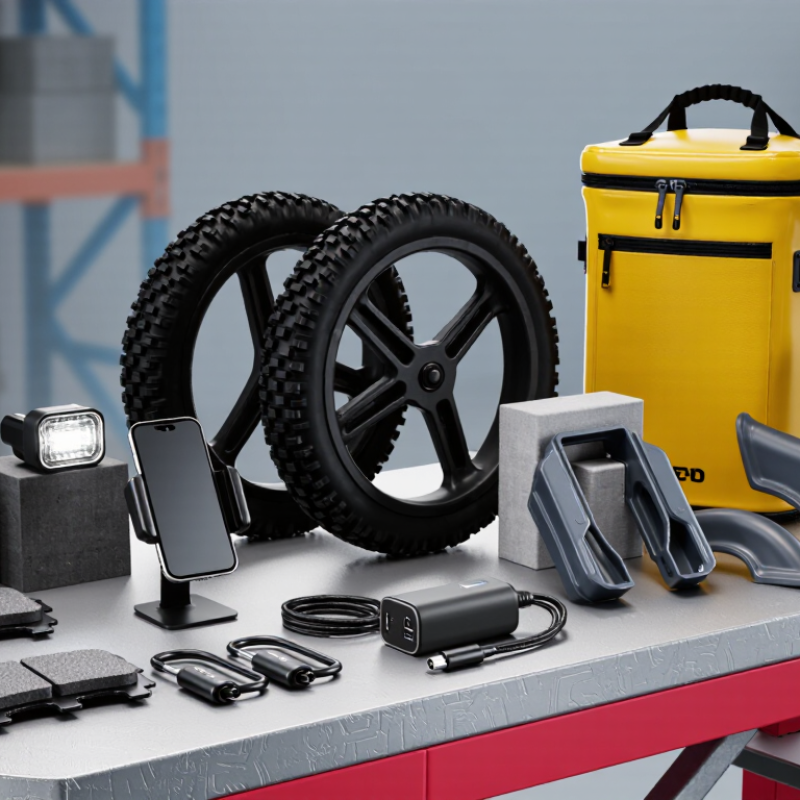
The review considers practical details that buyers often notice late. These include brake pads, tires, lights, phone holders, locks, chargers, fenders, and waterproof storage bags. A supplier may offer attractive prices, yet inconsistent dimensions can create fitting problems. We therefore examine material choices, packaging, lead times, sample support, and after-sales communication. Certifications and testing records also matter, especially for chargers, lighting products, and components used near batteries. Requirements may differ by destination, so buyers should verify current local standards independently.

No supplier is perfect.

Factory visits, sample checks, and small trial orders can reveal more than polished websites. Product photos may not show weak stitching, loose connectors, or poor surface finishing. That is why this overview values evidence over broad marketing claims. It also recognizes an uncomfortable reality: pricing pressure can encourage compromises in materials or inspection. Reliable sourcing requires clear specifications, documented quality controls, and honest discussions about limitations. Readers can use this introduction as a practical starting point, then conduct their own due diligence before placing commercial orders.

China Top 10 Electric Scooter Accessories Suppliers

Understanding China’s Electric Scooter Accessories Supplier Landscape

China’s electric scooter accessory suppliers sit within a broad manufacturing network spanning batteries, lighting, brakes, displays, and molded components. The International Energy Agency’s Global EV Outlook 2024 estimates that electric two- and three-wheeler sales reached about 10 million worldwide in 2023, with China the dominant market. That scale supports dense sourcing clusters, but it does not guarantee consistent quality. A supplier’s product range may look complete while its testing records remain thin.

Buyers should check samples against real riding conditions: rain on cable connectors, vibration around handlebar mounts, and heat near battery enclosures. Ask for material specifications, inspection plans, and traceable batch records, not just a catalogue. The IEA’s Global EV Outlook also tracks the rapid expansion of electric two- and three-wheelers, making component compatibility and dependable replacement supply increasingly important.

Small details matter.

Factories can specialize in one part while outsourcing another, so confirm which processes happen on site. A short video call may help, but it cannot replace a documented audit or repeat sample testing. I would be cautious about treating low prices as proof of efficiency; sometimes they signal a thinner coating or less stable fit. Supplier comparisons are useful, yet accessory specifications still vary between vehicle platforms.

Criteria for Selecting the Top 10 Suppliers

Choosing among China’s electric scooter accessory suppliers requires more than comparing unit prices. Start with product fit: confirm dimensions, connector types, voltage ranges, materials, and finishes against the scooter models you serve. Ask for drawings, sample units, and batch inspection records for items such as chargers, brake levers, lights, tires, and storage mounts. Small mismatches matter. A connector that looks correct may loosen after repeated vibration. Check whether the supplier can explain its testing process and provide traceable quality documents, rather than relying on polished catalog photos.

Evaluate production capacity, lead times, minimum order quantities, packaging, and communication in writing. Request a dated quotation and clarify how defects, replacements, and design changes are handled. For electrical parts, review relevant test reports and verify that ratings match the intended application and destination-market requirements. A report should identify the tested model, not just a product family. Compare samples for fit, heat, noise, and finish. Not enough. Ask how the factory controls incoming materials and checks finished goods, and whether inspection results can be shared before shipment. Price still matters, but unusually low offers deserve questions. No scorecard removes risk; some answers remain hard to verify, so document assumptions and reassess suppliers after each order.

Profiles of 10 Leading Electric Scooter Accessories Suppliers

China Top 10 Electric Scooter Accessories Suppliers

These profiles examine ten established Chinese supplier types serving electric scooter accessory buyers. The first supplier focuses on aluminum handlebars, folding stems, and reinforced brackets. Its factory typically uses CNC machining, sample approval, and load testing before bulk production. The second specializes in waterproof LED lights, horns, and compact control displays. Buyers should request test reports, wiring diagrams, and clear voltage ranges. Small details matter.

The third supplier produces solid and pneumatic tires for urban commuting. Its engineers usually check tread depth, rubber hardness, and rim compatibility. The fourth supplies brake levers, cables, discs, and replacement pads. Batch inspection is useful here, although inspection alone cannot replace real-road testing. The fifth offers suspension parts and shock absorbers for uneven streets. The sixth makes storage bags, locks, phone holders, and weather-resistant covers. Stitching quality can vary more than product photos suggest.

The seventh supplier develops chargers and battery cases with protective circuits. Buyers must verify electrical specifications and applicable safety documentation. The eighth provides seats, footrests, and comfort upgrades for longer rides. The ninth focuses on mirrors, reflectors, and visibility accessories, while the tenth supplies repair kits and maintenance tools. Experienced purchasers compare samples, packaging, spare-part support, and response speed. Factory visits can reveal useful evidence, but they are not always practical. A written quality agreement remains essential. Some suppliers promise too much. Careful verification still wins.

China Top 10 Electric Scooter Accessories Suppliers - Profiles of 10 Leading Electric Scooter Accessories Suppliers Anonymous supplier-category profiles and representative product specifications; not a company ranking.
Profile Supplier Specialization Representative Product Data Key Compatibility Checks Useful Verification Documents
01 Replacement tire and inner-tube supplier Common replacement formats include 8.5-inch and 10-inch scooter tires; pneumatic and solid constructions are available. Confirm the exact tire marking, rim diameter, tire width, valve type, and whether the wheel is designed for a tubed or tubeless setup. Dimensional drawing, material specification, and sample fit-check record.
02 Brake pad and friction-component supplier Replacement pads are made in different shapes and friction materials; disc-brake pads are not interchangeable across all calipers. Match pad outline, thickness, backing-plate shape, and caliper model. Check rotor condition and the scooter maker’s service instructions. Product drawing, friction-material data, and wear or performance test results.
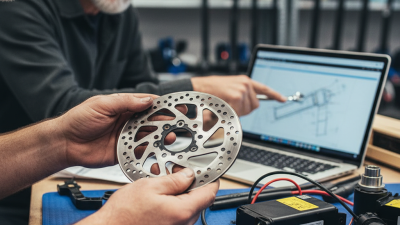
03 Brake-disc and rotor supplier Rotors are offered in multiple diameters, thicknesses, and mounting patterns; the correct size is determined by the wheel and caliper assembly. Verify outside diameter, thickness, bolt pattern, offset, and clearance. Do not select by diameter alone. Dimensioned drawing, material grade, and runout inspection report.
04 Lighting and reflector supplier Product ranges can include front lamps, rear lamps, turn indicators, and passive reflectors; electrical versions vary by input voltage and connector. Check the scooter’s supply voltage, polarity, connector, mounting location, and whether the light is intended for the vehicle’s electrical system. Electrical ratings, wiring diagram, photometric data where available, and ingress-protection test evidence if an IP rating is claimed.
05 Charger supplier For common lithium-ion configurations, a 36 V nominal pack typically uses a 42 V full-charge output, while a 48 V nominal pack typically uses a 54.6 V full-charge output. Confirm battery chemistry, series-cell configuration, charging voltage and current, connector polarity, and any communication requirements. Use only a charger approved for the battery. Charger label and electrical specifications, safety-test documentation for the destination market, and connector pinout.
06 Battery-pack and battery-accessory supplier Pack voltage, capacity, cell configuration, battery-management system, and enclosure vary by scooter model; there is no universal replacement pack. Match the original pack’s voltage, dimensions, mounting, connector, BMS behavior, and charger requirements. Lithium-battery transport requires applicable testing and documentation. Battery specification, traceable test summary, and UN 38.3 test documentation for transport where applicable.
07 Fender and mudguard supplier Front and rear fenders are shaped for specific wheel sizes and frame layouts; mounting brackets and clearance vary by scooter. Check wheel diameter and width, attachment points, brake-light wiring, suspension travel, and tire clearance. Installation drawing, material specification, and fitment samples.
08 Handlebar grip and control-accessory supplier Grips and control fittings are produced in different lengths and internal diameters; throttle and brake-control layouts differ between models. Measure handlebar diameter and usable grip length; confirm clearance for the throttle, brake lever, display, and end cap. Dimensional drawing, material data, and installation instructions.
09 Lock and anti-theft accessory supplier Common options include cable, chain, and U-shaped locks; security depends on construction, locking mechanism, and how the scooter is secured. Check usable length, locking-point access, weather exposure, and whether the lock can secure the frame to a fixed object. Material and mechanism details, corrosion-test information, and any independently verified security rating claimed for the product.
10 Phone holder and mounting-accessory supplier Adjustable holders are available for different phone widths and handlebar or stem mounting positions; vibration resistance varies by design. Confirm clamp diameter, phone dimensions, steering clearance, retention method, and resistance to vibration during normal riding. Fitment range, installation guide, and vibration or retention test results.
Note: These are product-category profiles, not verified profiles of named companies. Representative specifications describe common configurations and are not universal. Confirm the exact scooter model, local regulatory requirements, and product documentation before purchasing or importing.

Products, Customization, and Manufacturing Capabilities

China’s electric scooter accessory suppliers cover practical parts such as handlebar grips, mirrors, phone mounts, baskets, fenders, and charging-port covers. Product quality depends on more than appearance. A sturdy aluminum bracket should resist vibration, while a rubber grip needs a secure, comfortable texture in wet conditions. Small details matter.

Customization often includes dimensions, materials, colors, packaging, and logo placement. Some manufacturers can adapt an existing mold; others require new tooling, which may affect cost and lead time. Share a dimensioned drawing, sample scooter, or clear photos before requesting a quote. Ask how the supplier checks fit, finish, and load performance. A polished sample is useful, but it does not prove every production unit will match.

Manufacturing capabilities vary across suppliers. Some handle machining, injection molding, assembly, and packing in one facility; others rely on outside workshops. Ask for a process outline and recent inspection records. Request samples from the intended production process, not only a hand-finished prototype. Then check mounting holes, fasteners, surface edges, and packaging protection yourself. It takes time. That part is easy to underestimate. Clear specifications and staged sample approval can reduce avoidable rework, though they cannot remove every production risk.

How to Evaluate and Source from Chinese Suppliers

Evaluating Chinese electric scooter accessory suppliers takes more than comparing prices. Ask for a current product catalog, material specifications, and clear photographs of production samples. For a charger mount, for example, check the metal thickness, hole spacing, and coating consistency. Small details matter. Request test records that match the exact model and batch you plan to order, not generic documents. A capable supplier should explain how parts are inspected and how defects are recorded.

Before discussing a large order, define the sample process, minimum order quantity, production lead time, and packaging requirements in writing. Confirm whether the quoted price includes custom packaging, inspection, and shipping to your chosen destination. Then compare several suppliers using the same specification sheet. This makes differences easier to spot. I have seen buyers focus on a low unit price and overlook loose fasteners or weak cartons. That mistake can become expensive.

Check communication as carefully as the product. Ask specific questions about tolerances, replacement parts, and how the supplier handles a failed inspection. Clear, consistent answers are useful evidence, though not proof of reliable production. Consider a small trial order and inspect the goods against approved samples before scaling up. Keep records of drawings, revisions, and agreed acceptance criteria. One point is easy to miss: requirements may need clarification after the first sample. Revise them openly, rather than assuming everyone understood the same detail.