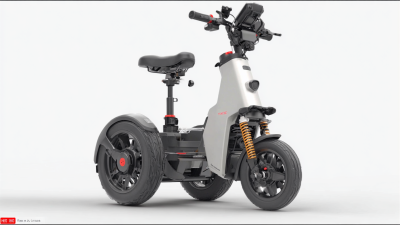
Choosing the best electric scooter is not just about finding the biggest battery or the lowest price. Electric Scooters With Seat can make everyday trips more comfortable, but the right choice depends on your route, body size, storage space, and riding habits. A smooth path to a nearby shop asks different things from a scooter than a hilly commute with rough pavement. Small details matter. Seat height, handlebar reach, tire size, and suspension can shape how a ride feels after twenty minutes, not just during a quick test.
In this guide, we’ll look at practical features to compare in 2026, including usable battery range, braking, carrying capacity, portability, and support from the manufacturer. Published range figures can be optimistic; hills, cold weather, rider weight, and frequent stops may reduce distance. Check specifications carefully, and leave a sensible range buffer for your regular trip. Comfort is personal. A padded seat may still feel awkward if its position cannot be adjusted, so a test ride can reveal more than a product photo. Consider where the scooter will be parked and charged, too. Some models are heavy to lift, even when marketed as portable. There is no perfect pick for everyone, and I would not trust a single headline feature to settle the decision. Compare the details against your actual daily needs, and check applicable local requirements before riding.
Before comparing scooters, map your actual trips. Write down the usual distance, stop frequency, and surface type. A smooth path to a train station is different from cracked pavement, steep streets, or a long campus loop. Be specific. Note the roughest section, not just the average route. A short ride can still feel tiring when it includes repeated bumps or hills.
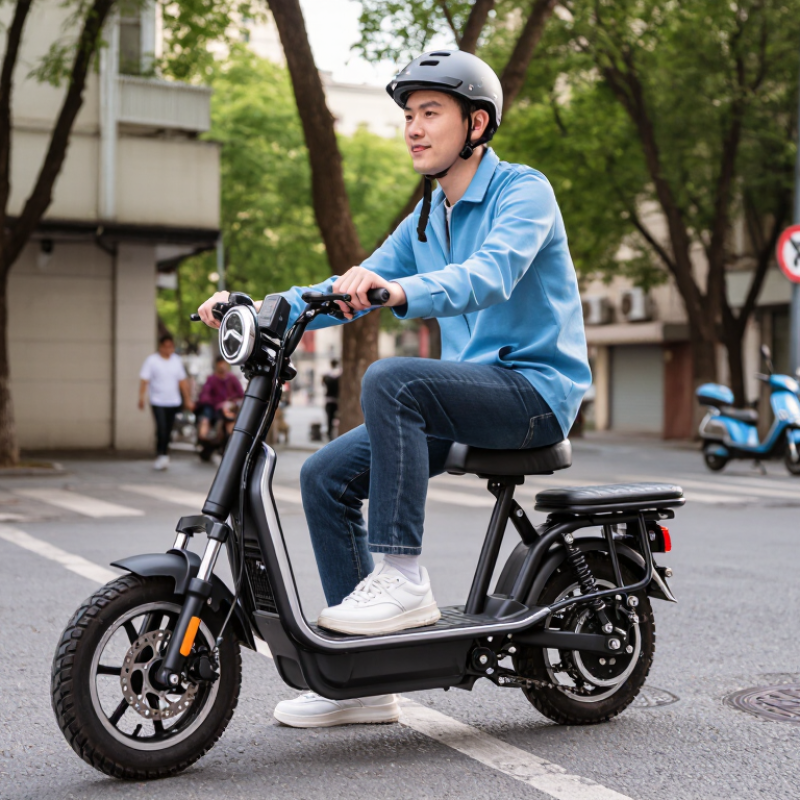
Think about how you will use the seat. For a ten-minute commute, a simple padded seat may be enough. Longer rides call for a position that lets your feet rest comfortably and your knees bend naturally. If possible, sit on a scooter before buying it. Check whether the seat adjusts, and whether the handlebars feel reachable without leaning forward. Small details matter. They can be easy to overlook.
Consider where the scooter will wait, charge, and travel when you are not riding. Measure your doorway or storage corner, and check the scooter’s folded size and weight. Will you lift it into a car, or leave it in a covered spot? Think about your daily load, too: a backpack, groceries, or a work bag can affect comfort and handling. It is easy to overestimate how far you will ride each day. A realistic route plan is more useful than an optimistic guess.
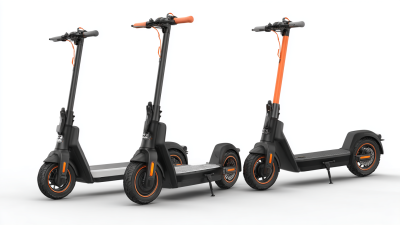
Compare example round-trip distances with a practical rated-range target for different kinds of riding.
These are planning examples, not measured averages or guaranteed scooter performance. Choose extra range for hills, cold weather, heavier loads, and battery aging; check that the seat, speed, and load capacity suit your route.
When comparing seated electric scooters, start with motor power, but don’t treat peak watts as everyday performance. A higher rating can help on hills and during acceleration, while rider weight, gradient, and tire pressure also affect results. Check whether the listing gives continuous or peak output; those figures are not interchangeable. A short, steep driveway can reveal more than a flat-road speed claim.
Battery capacity, measured in watt-hours, is a more useful comparison than voltage alone. Estimate energy as volts multiplied by amp-hours, then compare similar models under similar test conditions. Range labels can be optimistic: cold weather, frequent stops, and carrying a bag all reduce distance. NACTO reported 133 million shared micromobility trips in the United States and Canada in 2023, but shared-fleet trip data do not guarantee a private scooter’s range. That distinction matters.
Charging time depends on battery capacity and charger output. As a rough estimate, divide battery watt-hours by charger watts, then allow extra time for charging losses and the slower final phase. A 600 Wh battery with a 120 W charger may need more than five hours. Check the manual’s stated time, and confirm whether the charger is included. One detail is easy to overlook: a bigger battery may extend range, but it also adds weight and takes longer to charge.
When choosing an electric scooter with a seat in 2026, test how the seat supports you after several minutes, not just how soft it feels in a showroom. Your feet should reach the ground comfortably when stopped, and the seat should not wobble when you shift your weight. Check whether its height and position can be adjusted for your posture. A firm seat may feel less plush at first, yet offer better support on uneven pavement. Padding alone is not the whole story.
Stability depends on more than the seat. Notice whether the frame flexes, the tires grip on damp pavement, and the scooter feels balanced during slow turns. Check the hinges. If the seat folds, make sure its latch engages securely and does not rattle over bumps. Test the brakes at walking speed in a clear area; the scooter should slow predictably without pulling sharply to one side.
Brake feel can vary with rider weight and surface conditions, so one quick stop is not enough. Look for working lights, reflectors, and a clearly visible battery indicator, too. It is easy to focus on comfort and miss these details—I might do the same when a seat feels inviting. A careful ride and a close inspection can reveal more than a polished product description.
Before buying, check your city and regional rules for seated electric scooters. Local authorities may set different speed limits, road-access rules, helmet requirements, or registration conditions. Do not assume a scooter with a seat is classified like a standing model. Rules can change, so confirm them with the relevant transport authority shortly before purchase. NACTO’s 2023 Shared Micromobility Report recorded 133 million shared micromobility trips in the United States. That shows how common these services have become, but it does not define rules for privately owned seated scooters. Small print matters.
Check the scooter’s maximum load against your weight plus bags, locks, and other gear. A specification sheet may not show how hills or a nearly full load affect handling and range. Leave some capacity in reserve rather than buying at the limit. Inspect the seat post and its attachment points, too. A useful check. Read the warranty before paying: confirm coverage periods for the battery, frame, motor, and electrical controls, and ask whether labor and shipping are included. Clarify exclusions for water exposure, wear parts, and everyday use. The policy may sound broad, yet the battery terms can be narrow. Ask for the terms in writing.
| Decision factor | What to verify | How to assess it | Practical decision rule |
|---|---|---|---|
| Local legality | Whether seated electric scooters are permitted on the roads, cycle paths, or sidewalks you plan to use; applicable speed, age, helmet, lighting, and registration rules. | Check current guidance from the relevant transport department, road authority, or local government for each area where you will ride. Rules can differ between jurisdictions and may change. | Confirm the rules for the scooter’s exact vehicle category and intended route before buying. Do not assume a rule for stand-up scooters also applies to seated models. |
| Vehicle classification | How local rules classify the vehicle, including whether its seat, motor, maximum assisted speed, or other design features affect that classification. | Compare the scooter’s published specifications with the definitions used by the local authority. Ask the authority or seller for clarification if the classification is unclear. | Treat the seat as a feature to check, not proof that the scooter is legally classed as a moped, bicycle, or mobility device. |
| Maximum payload | The manufacturer’s stated maximum load and whether it includes the rider, clothing, bags, accessories, or other carried items. | Add the rider’s weight and the weight of everything carried. Verify how the manufacturer defines “maximum load”; do not rely on an estimate based on appearance or motor power. | Choose a model whose documented payload covers the full expected load. Do not exceed the stated limit; doing so can affect handling, braking, durability, and warranty coverage. |
| Fit and riding position | Seat height and adjustability, handlebar reach, foot placement, suspension, and whether the rider can mount and dismount comfortably. | Use the manufacturer’s measurements and, where possible, test the scooter with the intended rider. Check that controls remain easy to reach while seated. | Prefer an adjustable, stable riding position that feels comfortable during a test ride; a seat alone does not guarantee a good fit. |
| Braking and visibility | Brake type and condition, manufacturer-stated stopping features, reflectors, lights, and whether required equipment is included or must be added. | Read the specification and owner’s manual, then check local equipment requirements. Test braking in a safe, controlled area after purchase. | Choose a model with clearly described braking equipment and a maintenance procedure. Never treat advertised stopping distance as a substitute for safe riding or local compliance. |
| Real-world range | Published range, battery capacity, charging time, and the conditions used for any range estimate. | Range can vary with rider and cargo load, hills, speed, temperature, tire pressure, battery age, and riding style. Compare models under similar test conditions. | Allow a reserve beyond your planned round trip; a single advertised maximum-range figure is not a guaranteed everyday result. |
| Warranty coverage | Warranty duration by component, start date, coverage territory, claim process, and whether the battery has different terms from the frame or motor. | Read the written warranty before purchase. Check exclusions for normal wear, water damage, misuse, unauthorized repairs, modifications, and operation above load limits. | Compare the actual written terms, not just a headline warranty length. Keep proof of purchase and maintenance records. |
| Battery and electrical safety | Battery and charger specifications, charging instructions, storage guidance, and available product safety documentation for the market where it will be used. | Use only the specified charger and follow the owner’s manual. Check applicable safety requirements with the relevant local product-safety authority. | Avoid damaged batteries or chargers, and do not charge or store the battery contrary to the manufacturer’s instructions. |
| Serviceability and parts | Availability of compatible tires, brake parts, batteries, and service instructions; whether routine maintenance can be performed locally. | Ask for a parts list, service documentation, and realistic repair options before buying. Confirm whether repairs affect warranty coverage. | Favor a model with clearly documented maintenance needs and accessible replacement parts for the items that wear or require servicing. |
| Final pre-purchase check | Legal suitability, rider fit, payload, expected route, charging access, total cost, and written warranty terms. | Compare the same checklist across shortlisted scooters and keep links or copies of official rules and product documents. | Buy only after the scooter fits the rider and route, stays within its stated limits, and meets the rules that apply where it will be used. |
Note: Local laws and warranty terms are jurisdiction- and product-specific. This table is a comparison checklist, not legal advice; verify current rules with official authorities and rely on the scooter’s written documentation for its limits and coverage.
How to Choose the Best Electric Scooter With a Seat in 2026?
A short test ride can reveal more than a specification sheet. Sit naturally, reach the controls without stretching, and try a slow turn on a quiet, level surface. Notice whether the seat feels stable over pavement seams and whether braking stays predictable. If possible, ride with the bag or backpack you usually carry. A scooter that feels nimble empty may feel awkward with extra weight.
Compare the full ownership cost, not just the sale price. The U.S. Energy Information Administration reported an average residential electricity price of 16.48 cents per kilowatt-hour in 2024. A 0.5-kWh battery would cost about eight cents to charge at that rate, before charging losses. Electricity is the small line item. Tires, brake service, battery replacement, a secure lock, and parts availability can change the calculation. AAA’s 2024 Your Driving Costs report put average new-car ownership and operating costs at $12,297 annually; that is not a scooter estimate, but it shows why recurring costs deserve attention. I still find battery life hard to predict from advertised range alone.
Tips: Ask for a written battery warranty, price a replacement tire, and compare service access nearby. Keep a simple yearly-cost sheet. Include the things you might overlook.