Inquiry
Form loading...

How to Choose an Electric Scooter Supplier Worldwide?

Choosing an electric scooter supplier worldwide is not merely a price comparison. It is a practical investigation into product safety, manufacturing discipline, and long-term support. A reliable supplier should provide traceable battery information, factory testing records, clear warranty terms, and realistic production capacity. Ask for sample units first. Inspect the welds, folding mechanism, brake response, tire quality, display, and charger temperature after use.

Horace Dediu, a respected micromobility analyst, has said, “Micromobility is transportation’s biggest opportunity.” That opportunity depends on dependable equipment, not attractive catalogs alone. When evaluating a Scooter Electric supplier, buyers should verify battery-cell brands, protection systems, water-resistance claims, and applicable certifications for each destination market. CE, UL, EN, and other requirements may differ by country, so documentation must be checked locally. A supplier that sends one generic certificate for every model deserves careful questioning.

Look beyond the first shipment. Can the factory supply replacement controllers, brake pads, tires, and chargers twelve months later? Can it explain its quality-control checkpoints with photographs or audit access? Can it respond clearly when a sample fails? These details reveal experience.

The cheapest quotation may become expensive after delays, damaged cartons, inconsistent firmware, or missing spare parts. I have learned that supplier evaluation is never perfectly clean. A polished factory visit can still hide weak after-sales systems. Therefore, compare evidence, test small orders, record every promise, and keep reviewing the partnership as conditions change. Reliability is built shipment by shipment.

How to Choose an Electric Scooter Supplier Worldwide?

Define Your Electric Scooter Requirements and Target Market

Define Your Electric Scooter Requirements and Target Market

Before contacting a worldwide supplier, describe the rider and the journey. Is the scooter for short urban commutes, rental fleets, campus travel, or delivery work? IEA’s Global EV Outlook 2024 reports that electric two- and three-wheeler sales exceeded 10 million units in 2023, with China representing the largest share. This figure shows strong demand, but markets differ sharply. A compact model may suit dense European streets, while a larger battery may better serve long-distance commuters in developing cities.

Record practical requirements in measurable terms. Specify rider weight, payload, climbing ability, real-world range, charging time, wheel size, folding dimensions, and water resistance. Test range below the advertised laboratory conditions. Cold weather, hills, heavy loads, and frequent stops reduce performance. A neat spreadsheet can still mislead. The first specification is rarely perfect.

Your target market must also shape safety and after-sales planning. Check local rules for speed limits, lighting, braking systems, battery transport, and product certification before selecting a supplier. The WHO Global Status Report on Road Safety 2023 estimates 1.19 million road deaths annually, making reliable brakes, visible lighting, and stable handling essential requirements. Ask suppliers for test records, battery protection details, spare-parts availability, warranty procedures, and service response times. Include local-language manuals and realistic delivery conditions. Cheap units often become expensive when replacement parts arrive slowly.

Research Supplier Types, Manufacturing Capabilities, and Locations

How to Choose an Electric Scooter Supplier Worldwide?

Supplier type shapes your purchasing risk. A manufacturer controls production directly, while an OEM partner can build your design with agreed specifications. An ODM supplier offers existing platforms, which may reduce development time. Trading companies can simplify communication, but they may hide the actual factory. Ask for the factory address, production photos, and recent quality records before comparing prices.

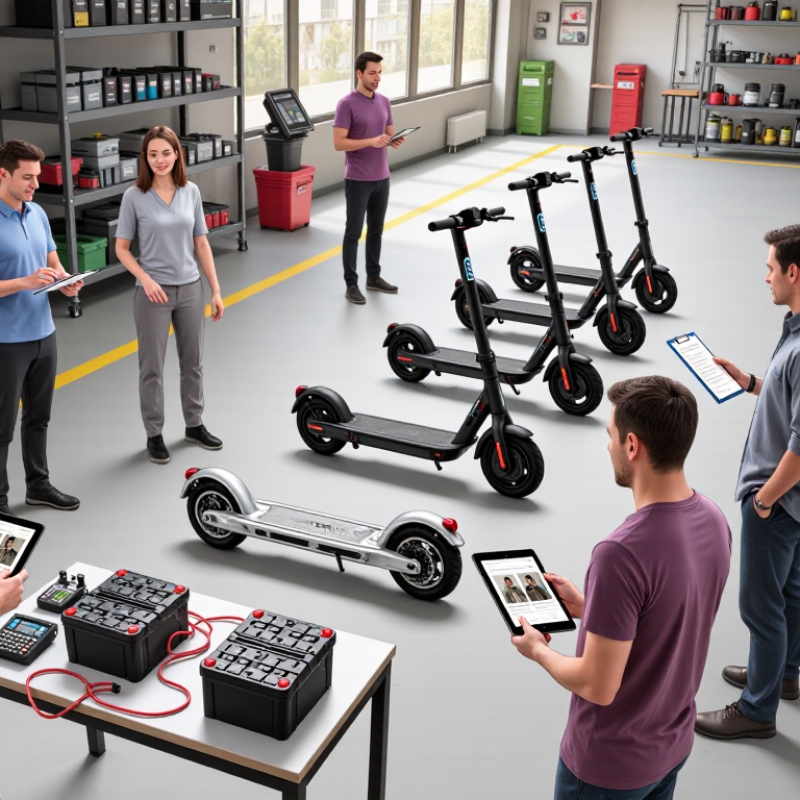
Manufacturing capability deserves physical evidence. Review frame welding, motor assembly, battery testing, waterproofing, and software control procedures. Request a working sample, not only a catalog image. Check braking distance, folding joints, tire wear, charger temperature, and packaging damage after transport. I once treated a polished catalog as proof of capacity; it was not. That shortcut was costly. A factory should also explain inspection points, spare-part availability, warranty handling, and compliance documents for your target markets.

Location affects lead time, freight cost, communication, and service access. Suppliers near major ports may offer simpler shipping, while inland factories can provide strong production expertise with added transport steps. Visit the site when possible, or use an independent auditor. Compare staff training, equipment maintenance, material storage, and batch traceability. Test the sample. A supplier with impressive machinery may still struggle with small orders or design changes. Clear production limits are more reliable than confident promises.

Verify Product Quality, Certifications, and Safety Standards

When choosing an electric scooter supplier, inspect safety evidence before comparing prices. In my supplier audits, a certificate alone was never enough. Request the exact model number, battery revision, laboratory name, test date, and report scope. A document covering one battery pack may not cover the complete scooter.

The U.S. Consumer Product Safety Commission reported 233 micromobility-related deaths and about 19,700 emergency-department injuries from 2017 to 2022. These figures show why battery and charging controls deserve close attention. Ask suppliers for evidence against relevant standards, such as UL 2272 for personal e-mobility electrical systems, UL 2271 for batteries, and EN 17128 for personal light electric vehicles. IEC 62133-2 testing can also support battery safety, while UN 38.3 records are important for lithium-battery transport. Standards differ by market. Do not treat one certificate as worldwide approval.

Visit the factory when possible. Observe cell storage, welding inspection, charger testing, waterproofing checks, and end-of-line brake tests. Ask for recent failure rates and corrective-action records, not only polished brochures. The International Energy Agency’s Global EV Outlook highlights continuing battery cost and deployment growth, but rapid expansion can pressure quality control. That risk is easy to underestimate. A supplier should provide traceable serial numbers, sample test results, and a written recall process. If answers arrive slowly or documents contain mismatched model names, pause the order. Small inconsistencies often deserve a second look.

Compare Pricing, Minimum Orders, Customization, and Warranty Terms

Choosing an electric scooter supplier requires more than comparing unit prices. The IEA’s Global EV Outlook 2024 identifies electric two- and three-wheelers as the most electrified road-transport segment. It also reports that electric models represented more than half of two- and three-wheeler sales in China. This growth increases supplier choice, but quality varies. Compare total landed cost, including batteries, packaging, freight, testing, spare parts, and import duties. A cheaper quotation may hide expensive replacement batteries. Get a cost breakdown in writing.

Minimum order quantity affects cash flow and risk. Ask whether the supplier accepts a pilot order before committing to container-level volume. Customization also needs precise limits. Confirm branding, frame colors, firmware settings, charger specifications, packaging, and sample approval fees. The 2023 Global Electric Mobility Readiness Index from Arthur D. Little highlights the importance of charging access, service networks, and regulatory readiness. Therefore, a supplier should explain local support, not only factory capacity. I have learned that impressive samples can mislead. Production consistency matters more.

Tips: Request recent inspection records, battery test reports, and a written warranty matrix. Clarify coverage for the motor, controller, battery, charger, and frame separately. Check whether warranty claims require returned parts or local diagnosis. A 12-month warranty sounds useful, but exclusions may be broad. Ask for response times and spare-part availability. Verify applicable safety and transport requirements in each destination market. Do not rely on promises. Use a small paid trial, record defects, and review the results with an independent engineer.

Evaluate Communication, Logistics, Compliance, and Long-Term Support

How to Choose an Electric Scooter Supplier Worldwide?

Reliable communication reveals a supplier’s real working habits. Ask for clear specifications, test reports, production schedules, and sample inspection records. A professional supplier should explain technical limits without vague promises. Response speed matters, but accuracy matters more. I have seen fast replies hide missing battery details and unclear warranty terms. Request drawings, charging information, and packaging photos before placing a large order.

Tips: Use one shared checklist. Record every approved change. Ask who handles urgent issues across time zones.

Logistics requires more than a low shipping quote. Confirm delivery terms, export documents, packaging strength, tracking procedures, and battery transport requirements. Ask how the supplier protects scooters from moisture, impact, and loose parts. A small packaging failure can create expensive delays. Compliance also deserves careful review. Request applicable safety test reports, labeling details, user manuals, and documentation for your destination market. Documents should match the exact model, not a similar product. Independent verification is wise.

Long-term support separates a convenient supplier from a dependable partner. Discuss spare-part availability, repair instructions, software update procedures, and warranty response times. Define who pays for defective components and how claims are documented. Monthly production reviews can prevent repeated mistakes. Still, no supplier is perfect. I would test support with a minor issue before committing to a long contract. That uncomfortable step may expose slow decisions, weak technical knowledge, or unclear responsibility. Reliable cooperation grows from evidence, not confident promises.