Top 10 Electric Scooter Battery Tips for Better Performance?
Electric scooters have gained immense popularity, creating a demand for reliable performance. The battery is a key component. Michael Chang, a leading expert in Electric Scooter Battery technology, once said, “A well-maintained battery can greatly enhance your riding experience.” When it comes to electric scooters, understanding battery care is essential.
Many riders overlook the importance of battery maintenance. Simple mistakes, like overcharging or improper storage, can reduce battery life. Riders often take these aspects for granted but may face issues later. For optimal performance, it’s crucial to learn battery tips that can prevent common pitfalls.
Empowering yourself with the right knowledge can provide significant benefits. A small effort in battery care can lead to a longer lifespan and better performance. These tips will help you maximize your Electric Scooter Battery’s potential and enjoy every ride. Exploring these guidelines can truly transform how you approach scooter riding.
Understanding Electric Scooter Battery Types and Their Advantages
When choosing an electric scooter battery, understanding different types is crucial.
Lithium-ion batteries are popular due to their efficiency and lightweight design.
They provide longer ranges and faster charging times. However, they can be sensitive to temperature extremes,
which might affect performance.
Lead-acid batteries are often cheaper. They offer decent performance but are heavier.
They require regular maintenance and have a shorter lifespan. Some riders might overlook this factor, leading to frequent replacements.
Nickel-metal hydride batteries also exist. They are better for the environment, yet can be cumbersome.
These choices have unique advantages. It's important to weigh each one carefully.
Consider riding style, distance, and frequency of use. An ideal battery can significantly boost scooter performance.
But don't forget about proper care and charging habits. Not all riders invest time into understanding their battery's needs.
This may lead to unexpected issues down the road.
Optimal Charging Practices for Extended Battery Life and Performance
When it comes to electric scooter battery life, optimal charging practices are vital. Research shows that proper charging can increase battery lifespan by up to 30%. Avoiding extreme temperatures is crucial. Batteries perform best in temperatures between 20°C and 25°C. If your scooter sits in a hot garage, battery life can degrade rapidly.
One key tip is to charge your scooter regularly, but not excessively. Overcharging can lead to reduced capacity. Experts recommend disconnecting the charger once it reaches 100%. Other studies indicate that partial recharges may actually benefit lithium-ion batteries, as they work best when kept between 20% and 80% charge.
Consider the time of day when charging, too. Nighttime charging can lead to forgetting to unplug. Use a timer to prevent overcharging during those hours. Some users find that charging every few days keeps the battery at optimal levels. Frequent, short charges could be more beneficial than one long session. Finding balance in charging habits can significantly impact performance.
Maintenance Tips to Enhance Your Electric Scooter Battery Longevity
Maintaining your electric scooter battery is crucial for its performance. Regular charging is important, but overcharging can damage the cells. Ideally, you should charge your battery when it drops to about 20%. This helps prolong its life and keeps it performing well.
Temperature plays a big role in battery health. Storing your scooter in extreme cold or heat can lead to problems. Find a moderate environment to store your scooter. Also, keep it clean. Dust and debris can accumulate, interfering with the battery's operation. Cleaning it occasionally can prevent issues.
Finally, avoid letting your battery sit idle for long periods. A stagnant battery can lose its charge and capacity. If you don’t use your scooter often, consider checking the battery every month. Give it a top-up if necessary. These simple, yet often overlooked, steps can make a significant difference in the longevity of your electric scooter battery.
Signs of Battery Degradation and When to Consider Replacement
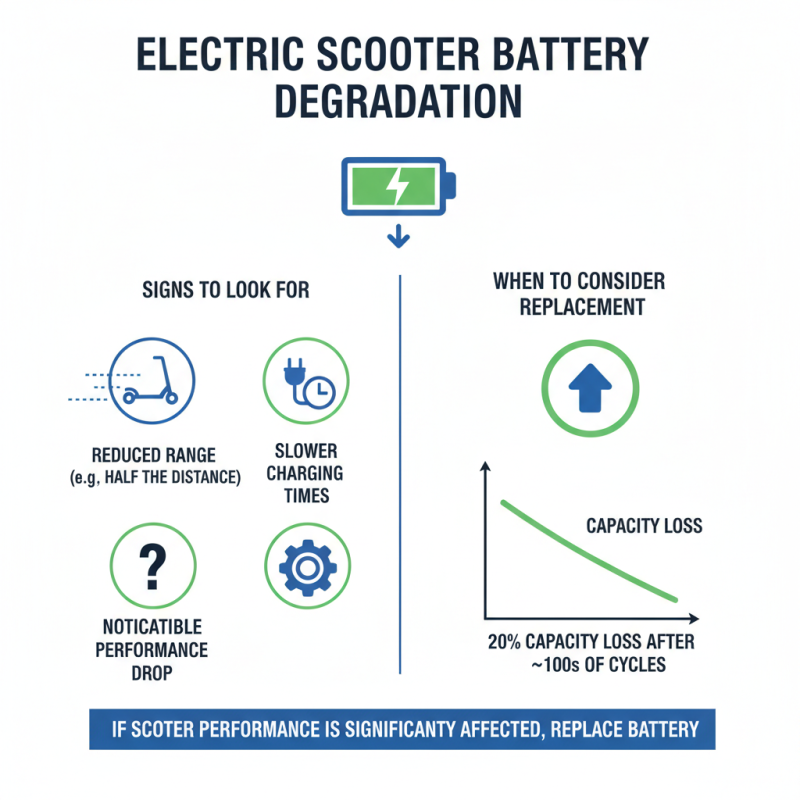
Electric scooter batteries can degrade over time, affecting performance and range. Signs of battery degradation are not always obvious. A noticeable drop in range is one indicator. For example, if your scooter can only travel half the distance it once did, it might be time for a change. Additionally, if your battery takes longer to charge, this is a red flag. Research shows that batteries lose about 20% of capacity after a few hundred charge cycles.
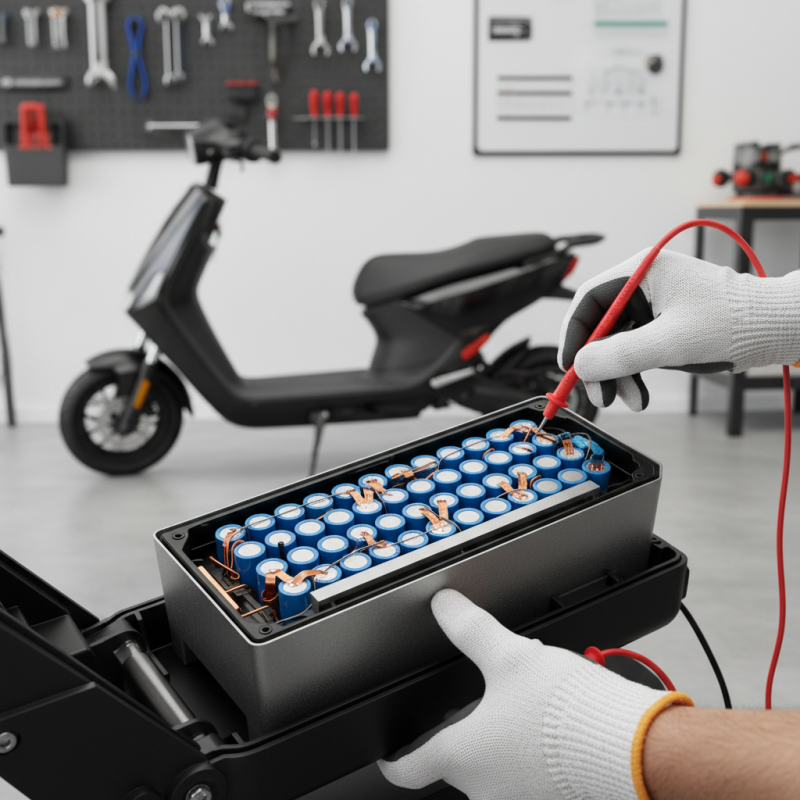
Physical signs are also important. Swelling or leaks from the battery casing indicate serious issues. These problems can pose safety risks. Battery health should be routinely checked. A well-maintained battery can last up to two to three years, according to industry standards. Failing to replace a degraded battery can lead to dangerous situations and inefficient rides.
Monitoring charging patterns helps too. If the battery suddenly drains quickly during use, that’s concerning. Experts suggest keeping an eye on these changes. Avoid pushing the battery past its limits. Proper care can extend its life. Recognizing these signs early can improve safety and performance, ensuring every ride is enjoyable.
Best Practices for Storing Your Electric Scooter Battery Safely
When storing your electric scooter battery, choose a cool, dry place. Extreme temperatures can damage the battery. Avoid storing it in direct sunlight or near heat sources. Ideal storage temperature ranges from 20 to 25 degrees Celsius. Check the battery’s charge level regularly. Keeping it around 40-60% charged helps maintain its health.
Use a protective cover or case for added safety. Many overlook this simple step. A cover prevents dust and moisture build-up. These can affect battery performance over time. Avoid overcharging or completely draining the battery. Learn your scooter's charging cycles to protect its lifespan.
Keep the battery terminals clean and free of corrosion. Dirt and grime can disrupt performance. A quick wipe with a cloth can make a difference. Regularly inspect for any signs of wear, like swelling. If the battery seems off, it may need replacement. Staying proactive ensures your scooter runs smoothly when you need it.
Top 10 Electric Scooter Battery Tips for Better Performance