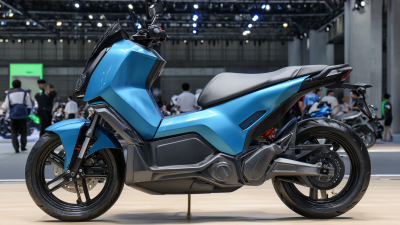
What is an Electric Scooter Motor? Types, Features, and Benefits Explained
Electric scooter motors are essential components that significantly enhance the performance and efficiency of electric scooters. As the popularity of electric scooters continues to grow, understanding the various types, features, and benefits of these motors becomes increasingly important for both manufacturers and users alike. According to Dr. Emily Zhang, a renowned expert in electric vehicle technology, "The choice of an electric scooter motor can dramatically influence not only the speed and range of the vehicle but also the overall riding experience."
Electric scooter motors come in different configurations—each designed to cater to specific rider needs and preferences. From hub motors to mid-drive systems, these motors are engineered to optimize efficiency and power delivery, enabling users to navigate urban landscapes effortlessly. Furthermore, advancements in motor technology have introduced features that not only improve performance but also enhance safety and comfort for riders. With the growing focus on sustainable transportation options, understanding electric scooter motors becomes crucial for those looking to make informed decisions in their mobility choices.
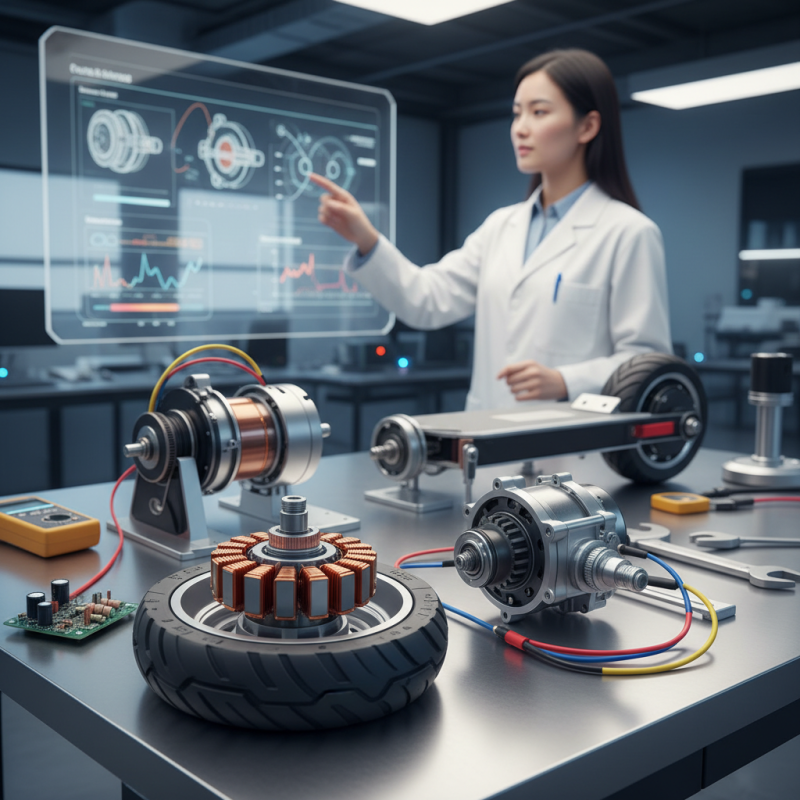
What is an Electric Scooter Motor? A Comprehensive Overview
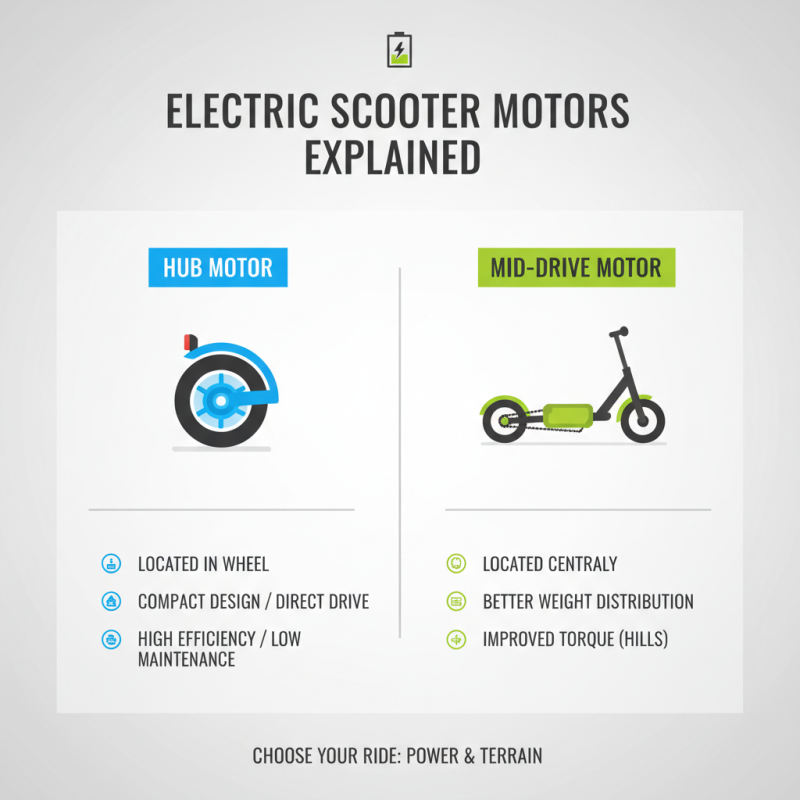
An electric scooter motor serves as the powerhouse behind the vehicle's functionality, converting electrical energy into motion. Typically, these motors are either hub motors or mid-drive motors. Hub motors are located in the wheels, offering a compact design and direct drive, which enhances efficiency and reduces maintenance needs. On the other hand, mid-drive motors are positioned centrally, allowing for better weight distribution and improved torque, especially on inclines. Understanding these types helps users make informed decisions based on their riding needs and terrain preferences.
Features of electric scooter motors vary widely depending on design and intended use. Important specifications include wattage, which influences speed and acceleration, and voltage, which impacts range and overall performance. Many motors also incorporate regenerative braking systems, which can recharge the battery during rides, extending travel distance. The choice of motor significantly affects the riding experience, with factors like noise level, durability, and responsiveness playing crucial roles in user satisfaction. By comprehensively understanding these elements, riders can select a scooter that meets their specific requirements for daily commutes or recreational rides.
Types of Electric Scooter Motors: Hub Motors vs. Mid-Drive Motors
Electric scooter motors play a crucial role in defining the performance, efficiency, and overall ride experience of these popular modes of transportation. Among the various types of electric scooter motors, hub motors and mid-drive motors are the two most common configurations that cater to different riding needs. Hub motors, typically located in the wheels, provide a direct drive system that simplifies the bike's mechanics and significantly reduces maintenance. According to a report by the Electric Vehicle Association, hub motors account for approximately 60% of the electric scooter market, offering advantages such as lower manufacturing costs and ease of installation.
On the other hand, mid-drive motors, positioned at the frame's center, deliver power directly to the bike's drivetrain. This design enables better weight distribution and improved handling, making them ideal for steep inclines and varied terrains. A study by Research and Markets highlights that mid-drive motors are gaining traction, representing a market share of about 30%, as they offer enhanced efficiency and performance, particularly for riders who frequently tackle challenging environments. Both types of motors have their unique features and benefits, allowing consumers to select an option that best matches their riding style and requirements.
Electric Scooter Motor Types Comparison
Key Features of Electric Scooter Motors: Power, Efficiency, and Torque
Electric scooter motors are essential components that significantly influence the performance of the scooter. When evaluating the key features of these motors, power stands out as a crucial factor. The motor's power rating, typically measured in watts, determines the top speed and acceleration of the scooter. A higher wattage motor can provide more robust performance, allowing for quicker starts and the ability to tackle inclines with ease. This feature is especially important for users who navigate urban environments with varied terrain.
Efficiency is another vital aspect of electric scooter motors. It refers to how well the motor converts electrical energy into mechanical energy. A highly efficient motor maximizes battery life, allowing users to travel longer distances on a single charge. This efficiency not only enhances the riding experience by reducing the frequency of recharging but also promotes sustainability by minimizing energy waste. In addition, torque plays a key role in the motor's performance characteristics. It measures the rotational force generated by the motor, impacting how quickly the scooter can accelerate from a stop or navigate hills. A motor with high torque can provide a smooth and powerful ride, making it particularly advantageous for riders who often face steep inclines or require quick bursts of speed in busy traffic conditions.
Benefits of Electric Scooter Motors: Speed, Range, and Eco-Friendliness
Electric scooter motors are key components that greatly enhance the riding experience by delivering speed, range, and an eco-friendly mode of transport. The speed offered by electric scooter motors varies depending on the type and power output. Most motors range from 250W to 2000W, allowing riders to achieve speeds that can make urban commuting more efficient and enjoyable. For those looking to navigate through city streets quickly, a higher wattage motor translates to higher maximum speeds.
Range is another significant benefit of electric scooter motors. With advancements in battery technology, many scooters can offer a range of 20 to 40 miles on a single charge, making them ideal for both short errands and longer commutes. This allows riders to travel without the anxiety of frequent recharging, facilitating longer journeys while taking in the sights and sounds of their surroundings. The eco-friendliness of electric scooters further enhances their appeal, as they produce zero emissions during operation. By choosing electric scooters, riders contribute to reducing urban air pollution and promoting a sustainable form of transportation.
Tips for maximizing your electric scooter experience include ensuring that your scooter is regularly maintained, which helps prolong battery life and maintain optimal performance. Additionally, always check the local regulations regarding electric scooters, as rules can vary significantly by area. Lastly, consider using regenerative braking features, if available, to extend your scooter's range further while riding.
Industry Trends: Advances in Electric Scooter Motor Technology and Design
Advancements in electric scooter motor technology and design have significantly transformed the urban commuting landscape. As consumers become increasingly conscious of sustainability and efficiency, manufacturers are focusing on developing lightweight, high-performance motors that enhance the overall experience of electric mobility. Modern electric scooter motors are usually brushless DC motors, which provide higher efficiency, longer service life, and lower maintenance needs compared to traditional brushed motors. This shift not only improves the range and power output of electric scooters but also contributes to a quieter and more enjoyable ride.
Moreover, the incorporation of smart technology has elevated the functionality of electric scooter motors. Features such as regenerative braking, which captures energy during deceleration, and intelligent motor controllers that optimize power delivery are becoming standard. These advancements not only extend battery life but also provide riders with greater control and safety. As the electric scooter market continues to expand, innovation in motor design, including compact and modular motor units, is enabling manufacturers to meet diverse consumer demands, such as enhanced portability and ruggedness for varying urban terrains. The trend towards integrating advanced technology is paving the way for more efficient, reliable, and user-friendly electric scooters that appeal to a broader audience.