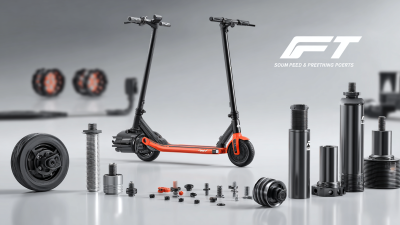
Essential Electric Scooter Parts You Need to Know About?
Electric scooters have become a popular choice for urban mobility. As their demand grows, understanding essential electric scooter parts is crucial. Each component plays a significant role in performance and safety.
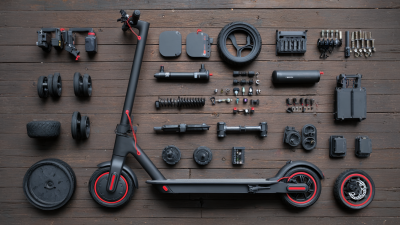
Familiarizing yourself with electric scooter parts can enhance your riding experience. Batteries provide power, while motors drive speed and efficiency. Brakes ensure safety, and wheels affect handling. Neglecting any part may lead to issues. Maintenance is key for longevity.
Knowing these parts empowers you to make informed choices. It can help with repairs too. Proper knowledge leads to safer rides and better performance. Each part matters. Stay informed to enjoy your scooter fully.
Essential Components of Electric Scooters Explained
Electric scooters have gained immense popularity as a convenient mode of transport. Understanding the essential components that make up these vehicles is crucial for both users and manufacturers. The key parts include the electric motor, battery, wheels, and braking system. According to industry reports, around 30% of electric scooter users experience issues directly linked to these components.
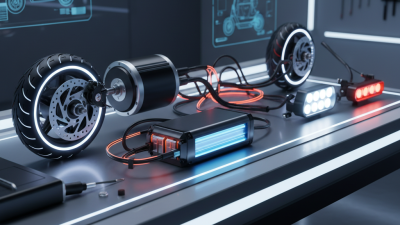
The electric motor is the heart of the scooter. It converts electrical energy into mechanical energy, enabling mobility. Efficiency is paramount. Most models have a power output ranging between 250 to 1500 watts. The choice impacts speed and range. The battery is equally vital, affecting performance and charging time. Lithium-ion batteries, commonly used, tend to offer a greater range and lifespan. A well-maintained battery can last up to 1000 charge cycles, making it a smart investment.
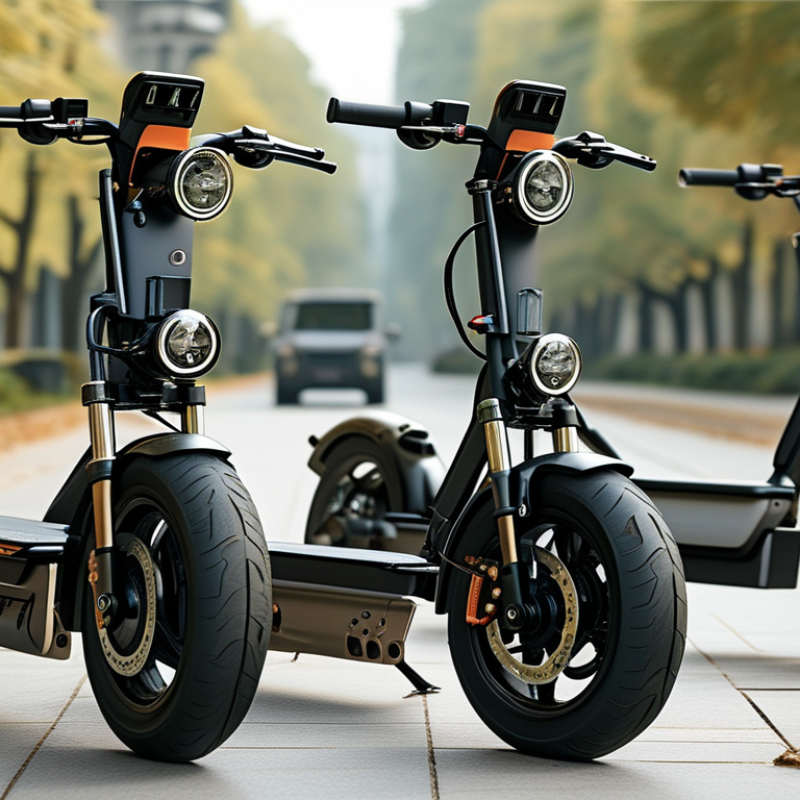
Wheels and braking systems contribute to the ride quality and safety. A larger wheel size can enhance stability, especially on uneven terrains. While disc brakes are preferred for their efficiency, many scooters still rely on drum brakes, which can sometimes lead to performance issues. Regular checks on these parts should not be overlooked, and user maintenance is essential. Data shows that nearly 40% of reported accidents involve malfunctioning brakes or tires. Investing in quality parts can ultimately reduce risks and enhance the overall experience.
Battery Systems: Types and Importance for Performance
Battery systems are crucial for the performance of electric scooters. They provide the power needed for acceleration and speed. Two common types of batteries are lithium-ion and lead-acid. Lithium-ion batteries are lighter and have a longer lifespan, making them the preferred choice for many riders. However, they can be more expensive upfront.
Lead-acid batteries are cost-effective but have limitations. They are heavier and discharge quicker during use. Riders may need to replace them more often. Battery maintenance is essential regardless of the type. Keeping terminals clean and avoiding deep discharges can extend battery life.
Understanding battery capacity is important too. Measured in amp-hours, it indicates how long a battery can run. Higher capacity means longer rides, which is what many desire. However, those seeking speed may sacrifice range. Balancing these aspects requires careful thought. Choosing the right battery type can enhance the overall riding experience. Riders should reflect on their needs and use patterns for optimal performance.
Essential Electric Scooter Parts You Need to Know About
| Component |
Type |
Importance |
Performance Impact |
| Battery |
Lithium-Ion |
High energy density, long life |
Significant |
| Motor |
Brushless DC |
Efficient power conversion |
High |
| Controller |
Electronic Speed Controller |
Regulates motor speed |
Moderate |
| Brakes |
Disc/Drum |
Safety and control |
Critical |
| Tires |
Pneumatic/Filled |
Traction and stability |
Significant |
| Frame |
Aluminum/Steel |
Durability and safety |
High |
Electric Motors: Functionality and Variants in E-Scooters
Electric motors are the heart of electric scooters, transforming electrical energy into mechanical power. These motors vary widely in type and power output. The most common types are brushed and brushless motors. Brushed motors are simpler and often cheaper, but they require more maintenance. Brushless motors, on the other hand, offer greater efficiency and longevity. They are generally more reliable but come at a higher initial cost.
Understanding motor functionality is key for e-scooter performance. A higher wattage typically means better acceleration and hill-climbing ability. For instance, a scooter with a 350W motor may handle light hills well, while a model with 500W or more will excel in various terrains. Voltage also plays a significant role, affecting both speed and range. A well-matched motor and battery will yield an optimal riding experience.
Yet, it's essential to acknowledge that not all motors are created equal. Manufacturers may promote their products without clear indications of efficiency or reliability. Riders need to assess their own needs and environments. Different commuting conditions can impact motor performance significantly. Regular maintenance and inspections can help ensure that your scooter's motor operates effectively and lasts longer.
Essential Electric Scooter Parts - Electric Motors: Functionality and Variants in E-Scooters
Braking Mechanisms: Safety Features and Types Available
Braking mechanisms play a crucial role in electric scooters' safety. Different types of brakes, including disc, drum, and electronic brakes, provide varying levels of effectiveness. According to a recent industry report, over 40% of electric scooter accidents are related to brake failure. Choosing the right braking system can significantly reduce risk.
Disc brakes are popular for their strong stopping power. They work well in wet conditions and are less prone to overheating. In contrast, drum brakes are durable but may lose effectiveness when exposed to water. Electronic brakes, while innovative, often rely on battery power and can fail without warning. Riders should understand their limitations.
It’s essential to regularly check and maintain braking systems. Look for wear on brake pads and ensure the cables are not frayed. Understanding the specific braking needs for your scooter model is vital. If uncertain, consult with professionals who specialize in electric scooter safety. Improving brake performance is critical for ensuring a safer ride.
Wheels and Tires: Selecting the Right Options for Stability
Wheels and tires are crucial parts of electric scooters. They significantly impact performance and safety. Choosing the right type ensures stability on various terrains. Wider tires offer better grip, especially on wet surfaces. They also absorb shocks, which helps in a smoother ride.
Choosing the right material is also important. Rubber tires are commonly used, but options vary. Pneumatic tires provide excellent shock absorption, while solid tires require less maintenance. However, solid tires may not offer the same comfort level. A rider must weigh these factors for their individual needs.
For stability, the tread pattern matters. Deep grooves enhance traction on uneven ground. A well-designed tread can make a noticeable difference in handling. Riders often overlook this detail, but it shapes the entire riding experience. Investing time in selecting the right wheels can lead to significant improvements.