Top Tips for Extending the Life of Your Electric Scooter Battery
As urban mobility continues to evolve, electric scooters have become a popular choice for commuters seeking efficient and eco-friendly transportation. However, the longevity of an electric scooter battery is crucial for ensuring these devices remain a viable option. According to a report by the International Council on Clean Transportation (ICCT), the global electric scooter market is expected to grow significantly, with battery life being a pivotal factor in consumer satisfaction and adoption rates.
Experts in the field, like Dr. Emily Tran, a renowned specialist in electric vehicle battery technology, emphasize the importance of proper battery management. "Extending the life of your electric scooter battery not only saves money but also reduces waste in our environment," Dr. Tran notes. Her insight highlights a critical aspect of sustainable urban transport; understanding how to care for and optimize battery performance can lead to enhanced efficiency and prolonged usage.
In light of these considerations, adopting best practices for electric scooter battery maintenance becomes vital. With the right knowledge and techniques, riders can significantly enhance their battery's lifespan, ensuring a reliable and sustainable travel experience for years to come.
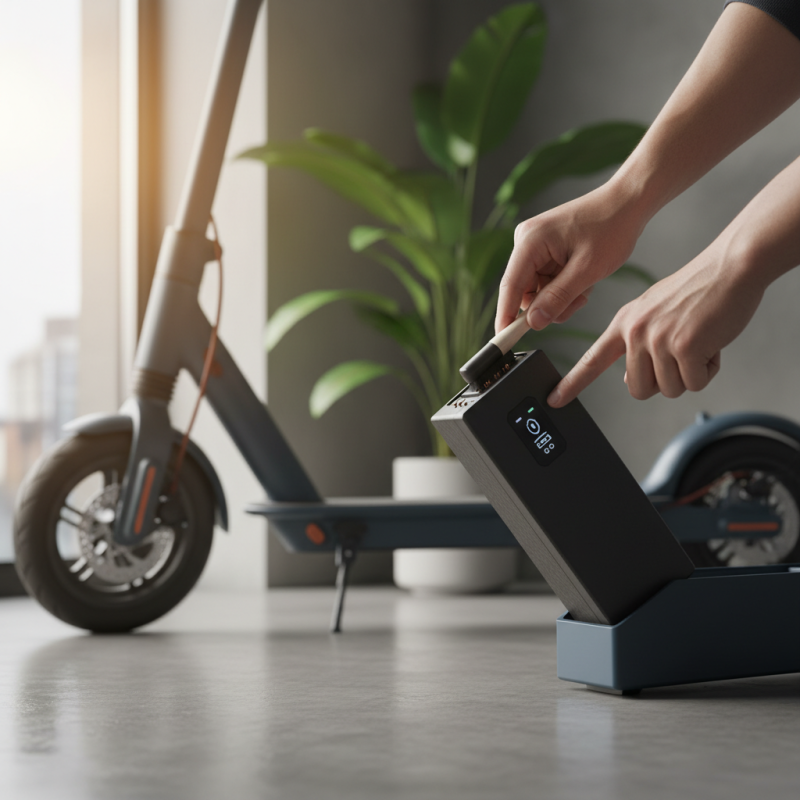
Understanding Electric Scooter Batteries and Their Lifespan
Electric scooter batteries are crucial to the performance and longevity of these vehicles, and understanding their composition and lifespan can greatly enhance your riding experience. Most electric scooters utilize lithium-ion batteries, renowned for their high energy density and efficiency. According to industry reports, these batteries can typically last between 2 to 3 years under optimal conditions, with some models reaching 500 to 1,000 charge cycles. Factors such as temperature, charging habits, and maintenance practices significantly influence battery life. For instance, keeping the battery at a consistent temperature and avoiding extreme heat or cold can extend its lifespan, as lithium-ion batteries operate best within a moderate temperature range.
Moreover, charging habits play a critical role in battery longevity. Research has shown that regularly discharging a battery to less than 20% or frequently overcharging it can lead to faster degradation. Ideally, scooters should be charged once they reach about 25% battery life and disconnected after reaching full charge to prevent overcharging. Staying mindful of these practices can help users achieve the maximum lifespan of their electric scooter batteries, potentially extending their functional life beyond the average reported 2-3 years. By implementing careful management and understanding the inherent characteristics of lithium-ion technology, riders can enjoy their electric scooters well into the future.
Top Tips for Extending the Life of Your Electric Scooter Battery - Understanding Electric Scooter Batteries and Their Lifespan
| Tip |
Description |
Impact on Battery Life |
Recommended Frequency |
| Avoid Deep Discharging |
Recharge your scooter battery before it drops below 20%. |
Improves lifespan by preventing stress on the battery. |
Every ride |
| Optimal Charging Conditions |
Charge in a cool, dry place and avoid high temperatures. |
Maintains battery health and efficiency. |
Always |
| Regular Maintenance |
Clean connectors and terminals to prevent corrosion. |
Ensures proper electrical connectivity. |
Monthly |
| Battery Conditioning |
Occasionally discharge and fully recharge for optimal performance. |
Can increase battery efficiency. |
Every 3 months |
| Use the Right Charger |
Always use the manufacturer's recommended charger. |
Prevents overcharging and potential damage. |
Every charge |
Optimal Charging Techniques for Electric Scooter Batteries
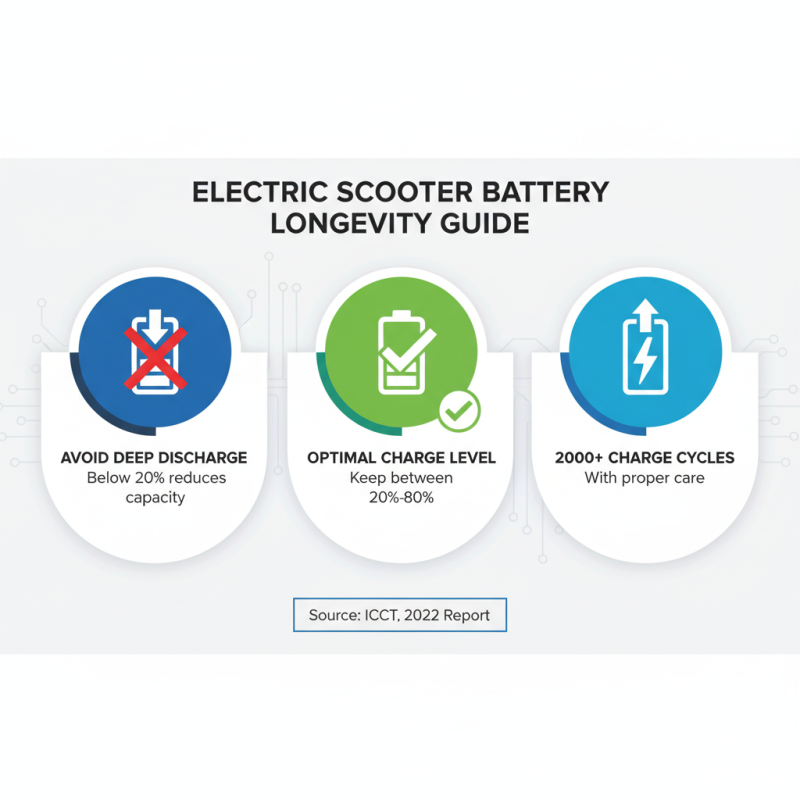
When it comes to extending the life of your electric scooter battery, optimal charging techniques play a crucial role. According to a 2022 report by the International Council on Clean Transportation, the average lifespan of lithium-ion batteries, commonly used in electric scooters, can exceed 2,000 charge cycles with proper care. To achieve this, it is essential to avoid deep discharging your battery. Studies indicate that regularly discharging to below 20% can significantly reduce battery capacity over time. Instead, aim to keep your battery between 20% and 80% state-of-charge to maximize longevity.
Another important aspect of charging is temperature control. The Battery University reports that lithium-ion batteries perform best when charged at temperatures between 20°C and 25°C (68°F to 77°F). Charging in extreme temperatures, especially below 0°C (32°F) or above 45°C (113°F), can lead to irreversible damage and affect the battery's efficiency. It’s advisable to store your electric scooter in a climate-controlled environment and to avoid charging it in direct sunlight or while it’s exposed to cold weather. Utilizing a smart charger that adjusts charging rates according to the battery's state can also enhance charging efficiency and prolong its life.
Best Practices for Maintaining Battery Health
Maintaining the health of your electric scooter battery is essential for ensuring its longevity and performance. One of the best practices is to avoid exposing the battery to extreme temperatures. Both excessive heat and cold can negatively affect battery efficiency and lifespan. Ideally, store your scooter in a controlled environment, and when riding, be mindful of weather conditions to prevent overheating or freezing.
Another crucial aspect of battery maintenance is regular charging habits. Always try to keep the battery between 20% and 80% charged, as deep discharges can shorten its lifespan. Instead of waiting until the battery is fully drained, make it a habit to plug in your scooter after each ride if possible. Additionally, utilize a smart charger that is compatible with your scooter, as it can help manage charge cycles more effectively and reduce the risk of overcharging, which can also lead to battery degradation.
Lastly, ensure that connections and terminals are clean and free from corrosion. Regular checks can identify potential issues early before they evolve into more significant problems. By prioritizing these battery care practices, you can enhance the overall durability of your electric scooter and enjoy longer rides with confidence.
Top Tips for Extending the Life of Your Electric Scooter Battery
This chart illustrates the impact of various best practices on the health of your electric scooter battery. Regular charging and avoiding deep discharges have the most significant positive effects, while proper storage and cleaning connections also contribute to longevity but to a lesser extent.
Environmental Factors Affecting Battery Life
When it comes to maintaining your electric scooter, understanding the environmental factors that affect battery life is crucial. Temperature plays a significant role in battery performance; studies have shown that lithium-ion batteries, which are commonly used in electric scooters, can lose around 20% of their capacity when exposed to temperatures above 30°C (86°F) or below 0°C (32°F). This means that regular usage in extreme heat or cold can substantially shorten the overall lifespan of your scooter's battery. Ideally, batteries should be stored in a cool, dry place away from direct sunlight to maximize their longevity.
Additionally, humidity levels can also impact battery efficiency. High humidity can lead to corrosion of the battery terminals, while extremely dry conditions can increase the likelihood of static discharge. Reports indicate that maintaining humidity levels between 30% and 70% can help in prolonging battery life. Furthermore, riding in wet conditions can introduce moisture into the battery compartment, exacerbating corrosion risks. To avoid such issues, it's advisable to invest in protective covers that ensure your electric scooter remains shielded from the elements when not in use, thereby safeguarding the battery's health and enhancing its lifespan.
Signs of Battery Degradation and When to Replace
As electric scooter owners become more reliant on their devices, understanding the signs of battery degradation is crucial for maintaining optimal performance. One of the earliest indicators of a declining battery is a noticeable decrease in range. If your scooter isn’t covering the same distance on a full charge as it used to, it may be time to consider a battery replacement. Additionally, if the battery takes significantly longer to reach a full charge or exhibits inconsistent charging behavior, these are strong signs that it could be losing its efficiency.
Another common sign of degradation is physical changes in the battery. If you notice any swelling, leakage, or corrosion around the battery terminals, you should address this immediately, as it can pose safety risks. Furthermore, frequent warning lights or alerts indicating low battery levels, even after a full charge, often suggest that the battery is failing. Paying attention to these signs early on can help you make informed decisions about maintenance or replacement, ensuring your scooter remains operational for years to come.