Inquiry
Form loading...

Why Choose a 4 Wheel Electric Scooter for Global Buyers?

Global buyers are rethinking mobility as populations age and daily access becomes more important. The WHO and UNICEF Global Report on Assistive Technology estimates that more than 2.5 billion people need assistive products worldwide. That figure may exceed 3.5 billion by 2050. A 4 Wheel Electric Scooter can support short trips, shopping, healthcare visits, and outdoor independence. Stability matters on uneven pavements, driveway slopes, and crowded supermarket aisles. Four wheels also provide a more reassuring platform for many older users. Not everyone needs one.

The category is not perfectly defined. That matters. Market reports often group mobility scooters with broader electric personal mobility products, creating inconsistent comparisons. Buyers should examine measurable details instead. Check the turning radius, seat width, ground clearance, battery range, charging time, and maximum safe load. Confirm local requirements before purchase. Service coverage matters too, especially when a replacement battery must cross borders. Rory Cooper, PhD, a leading assistive-technology researcher, expresses the wider purpose clearly: “A wheelchair is not a symbol of disability; it is a symbol of independence.” His principle also fits responsible scooter design. The best 4 Wheel Electric Scooter is not always the fastest model. It is the one that matches the user’s balance, route, climate, storage space, and support network. Buyers should remain cautious about optimistic range claims. Cold weather, hills, passenger weight, and tire pressure can reduce real performance. That practical gap deserves more attention. Reliable decisions begin with evidence, not impressive brochures.
Why Choose a 4 Wheel Electric Scooter for Global Buyers?

What Is a Four-Wheel Electric Scooter?

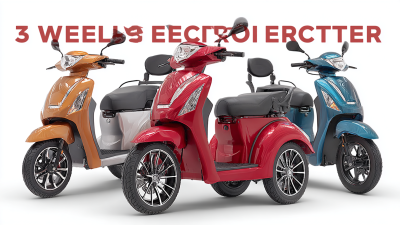
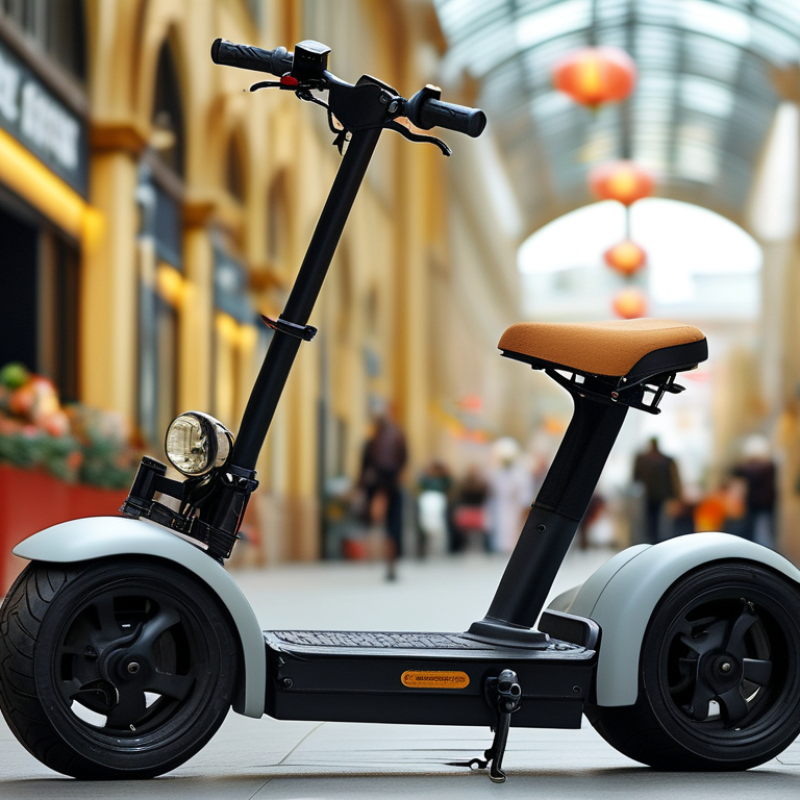
A four-wheel electric scooter is a compact mobility vehicle with two front wheels and two rear wheels. It uses a rechargeable battery, electric motor, steering system, seat, and foot platform. Unlike a two-wheel scooter, its wider chassis distributes weight across four contact points. This can improve balance during gentle turns, boarding, and low-speed travel. Many models include lights, mirrors, suspension, and electromagnetic brakes. However, stability is not the same as complete safety. Speed, road surface, rider weight, and braking distance still matter.

For global buyers, the design should match real daily conditions. Measure doorways, elevators, storage areas, and vehicle ramps before purchasing. Check battery range under practical loads, not only laboratory claims. Local rules may control maximum speed, lighting, road access, or charger requirements. A recognized safety certification and clear technical documentation can support a more reliable decision. I have found that small details matter. A firm seat, adjustable tiller, and easy-to-read battery display may improve longer trips. Yet, buyers sometimes overlook turning space. A wider scooter can feel secure outdoors but awkward inside a narrow hallway.

Tips: Test the scooter on slopes, uneven paving, and tight corners. Confirm replacement parts and service support in your region. Review the charger’s voltage compatibility before use. Leave extra range for cold weather, hills, and unexpected delays. Never assume four wheels remove the need for careful driving.

How Four-Wheel Design Improves Stability and Safety

Why Choose a 4 Wheel Electric Scooter for Global Buyers?

How Four-Wheel Design Improves Stability and Safety

A four-wheel electric scooter creates a wider, more predictable support base than a three-wheel layout. Its four tire contact points help resist side-to-side tipping during slow turns, ramp crossings, and uneven pavement. On a sloped sidewalk, this can feel like the difference between a steady platform and a nervous wobble. It matters for older users and anyone with reduced balance.

The World Health Organization’s Global Status Report on Road Safety 2023 recorded about 1.19 million road deaths worldwide each year. More than half involve vulnerable road users, including pedestrians and cyclists. A scooter cannot solve this wider safety problem, but stable handling can reduce avoidable control errors. The U.S. Consumer Product Safety Commission reported an estimated 233,870 emergency-department-treated injuries involving micromobility products from 2017 through 2022. That figure covers several product types, not four-wheel mobility scooters, so direct comparisons would be misleading.

Four wheels are not magic. A rider can still tip near a sharp curb, carry an unbalanced load, or travel too quickly on a wet surface. The ISO 7176 mobility-device standards address stability testing, but real safety also depends on braking, tire condition, lighting, and user training. In practical use, I would check a scooter on a gentle ramp before crossing a busy driveway. A small hesitation is useful feedback. It may reveal poor weight distribution or insufficient ground clearance.

Key Performance Features for Different User Needs

Why Choose a 4 Wheel Electric Scooter for Global Buyers?

Key Performance Features for Different User Needs

A four-wheel electric scooter offers stable handling on sidewalks, paved paths, and indoor floors. Its wider base can reduce side-to-side movement during slow turns. This matters for older riders, commuters, and users with limited balance. Four wheels help. However, stability depends on tire quality, suspension, and weight distribution. A poorly balanced scooter may still feel awkward on uneven ground.

Performance should match the user’s daily route. A compact model suits shopping centers and narrow apartment corridors. A stronger motor supports ramps, heavier loads, and longer outdoor trips. Buyers should check climbing ability, turning radius, and ground clearance. Battery range also needs careful attention. Published figures often use ideal conditions, while hills, cold weather, cargo, and frequent stops reduce distance. Real-world range is rarely exact.

Comfort features can change the riding experience. Adjustable armrests, a supportive seat, and simple controls help during longer journeys. LED lighting and reflective details improve visibility in low-light areas. Brakes should respond smoothly, not suddenly. A removable battery may simplify charging in homes without garage access. Yet, extra features increase weight and maintenance needs. Before purchase, global buyers should confirm charger compatibility, local service support, replacement parts, and regional safety requirements. Testing the scooter over a curb ramp or rough pavement can reveal more than a specification sheet.

Battery Range, Charging, and Maintenance Considerations

Why Choose a 4 Wheel Electric Scooter for Global Buyers?

Battery range matters more than a brochure’s maximum figure. A four-wheel scooter carrying an adult, groceries, and medical equipment uses more energy. Hills, cold weather, tyre pressure, and frequent stops reduce real-world distance. BloombergNEF reported average lithium-ion battery pack prices at 139 dollars per kilowatt-hour in 2023, a 14% annual decrease. Lower battery costs may improve affordability, but replacement pricing still varies widely between countries.

Ask for usable battery capacity, not only voltage. A 48-volt, 20-ampere-hour battery stores about 960 watt-hours before operating losses. Charging from a nearly empty state can take six to ten hours, depending on the charger and battery chemistry. The International Energy Agency reported continued expansion of global electric-vehicle charging infrastructure in its Global EV Outlook 2024. However, many mobility users still charge at home. A dry, ventilated socket near the entrance is often more valuable than a distant public charger.

Maintenance is simple, but not maintenance-free. Check tyre pressure monthly, inspect brake cables, and clean charging contacts. Lead-acid batteries may need more careful charging than lithium batteries. I have seen range estimates disappoint users who tested only on flat indoor floors. That is a useful warning. Buyers should request an independent range test, charger specifications, battery warranty terms, and local service access before ordering internationally. Shipping a replacement battery across borders can be slow, expensive, or impractical.

Why Choose a 4 Wheel Electric Scooter for Global Buyers? - Battery Range, Charging, and Maintenance Considerations

Comparison Dimension Compact Indoor / Travel Model Standard Outdoor Model Long-Range / Heavy-Duty Model Global Buyer Consideration
Typical Battery Type Sealed lead-acid or lithium-ion battery Sealed lead-acid or lithium-ion battery Lithium-ion or high-capacity sealed lead-acid battery pack Lithium-ion is generally lighter and has a longer usable cycle life, while sealed lead-acid batteries may offer a lower initial purchase cost.
Common Battery Capacity 12–24 Ah at approximately 24 V 20–40 Ah at approximately 24 V 30–75 Ah at approximately 24–48 V Compare watt-hours, calculated as volts × amp-hours, rather than amp-hours alone.
Indicative Real-World Range 8–15 km per charge 15–30 km per charge 25–50 km per charge Actual range varies with rider weight, terrain, temperature, tire pressure, speed, battery age, and use of lights or accessories.
Manufacturer-Claimed Range Testing Often measured under light-load, level-ground conditions Usually measured at a controlled speed and moderate load May use an idealized test route and a fully charged battery Use published range as a reference, not a guarantee. A practical planning margin of 20–30% is advisable.
Typical Charging Time 6–10 hours 6–10 hours 8–12 hours Charging time depends on battery chemistry, capacity, charger output, battery temperature, and battery condition.
Charging Frequency After most full-day use Every 1–3 days for moderate use Every 2–5 days for moderate use Recharge after use when practical; avoid repeatedly storing the scooter with a deeply discharged battery.
Charger Requirements Low-power charger; verify local plug and voltage compatibility Dedicated charger matched to battery voltage and chemistry Higher-capacity charger; confirm circuit and connector requirements For international shipments, check input voltage, plug type, charging certification, and replacement-charger availability.
Battery Storage Guidance Store in a dry, cool, ventilated indoor area Keep away from extreme heat, freezing temperatures, and moisture For long-term storage, follow the battery maker’s recommended state of charge and inspect periodically Do not charge damaged, swollen, wet, or unusually hot batteries. Lithium batteries require additional shipping and storage controls.
Maximum Speed Range Typically 6–8 km/h Typically 8–12 km/h Typically 10–15 km/h, subject to local regulations Maximum permitted speed, road access, lighting, and registration rules differ by country and sometimes by region.
Turning Stability Four-wheel layout provides stable low-speed maneuvering indoors Good stability on paved paths and moderate outdoor surfaces Wider chassis and larger tires generally improve stability under heavier loads Four wheels can improve balance and confidence, but they do not eliminate rollover risk on steep slopes or sharp turns.
Recommended Terrain Indoor floors, shopping areas, smooth sidewalks, and short flat routes Paved sidewalks, compact paths, and mild inclines Longer paved routes, firmer outdoor surfaces, and moderate inclines within the rated limits Check ground clearance, tire type, maximum gradient, and weather limitations before selecting a model.
Load Capacity Approximately 100–135 kg Approximately 120–160 kg Approximately 150–225 kg Load ratings include the rider and any luggage. Exceeding the rating can reduce range, braking performance, and stability.
Routine Tire Maintenance Inspect solid or pneumatic tires monthly Check pneumatic tire pressure before extended trips Inspect tires, wheels, and wheel bearings more frequently because of higher loads Correct tire pressure improves efficiency, handling, braking, and tire life.
Brake Maintenance Test electromagnetic or mechanical brakes before each ride Inspect brake response and parking brake regularly Schedule more frequent brake inspections for heavy loads, hills, or high-use environments Brake parts are safety-critical. Replacement intervals depend on wear, terrain, rider weight, and usage frequency.
Electrical Inspection Check charger, cables, connectors, and control panel Inspect wiring for looseness, abrasion, or corrosion Check high-current connections and battery mounting points Keep connectors dry and use only compatible chargers and replacement electrical parts.
Expected Battery Replacement Timing Often about 1–3 years, depending on chemistry and usage Often about 1–3 years for lead-acid; potentially longer for well-maintained lithium-ion packs Highly dependent on cycle count, thermal conditions, charging practices, and battery management system Ask about replacement cost, battery availability, warranty coverage, and safe end-of-life recycling in the destination country.
Foldability and Transport More likely to offer folding or detachable components May require a ramp, lift, or large vehicle compartment Usually less portable because of larger batteries, frames, and seats Confirm folded dimensions, total weight, lifting points, and airline or shipping restrictions before purchase.
Weather Resistance Generally intended for dry conditions May tolerate light outdoor exposure, subject to the manual Outdoor equipment may have better protection, but should still be sheltered from heavy rain and flooding Water-resistance ratings are not the same as waterproofing. Avoid deep water and dry the scooter before charging.
Best Fit for Global Buyers Apartment living, indoor mobility, short trips, and easy storage Balanced choice for daily errands and mixed urban use Longer journeys, heavier riders, frequent outdoor use, and higher carrying requirements Choose based on route length, local infrastructure, service access, import rules, battery logistics, and total ownership cost.

Note: The figures shown are general industry ranges for comparison purposes. Specifications vary by vehicle design, battery chemistry, environmental conditions, and local regulations. Always verify the final product specification and legal requirements in the destination market.

How Global Buyers Can Evaluate Models and Suppliers

Why Choose a 4 Wheel Electric Scooter for Global Buyers?

Global buyers should evaluate the complete mobility system, not only the scooter’s appearance. The International Energy Agency’s Global EV Outlook 2024 reported over 14 million electric car sales in 2023. This signals wider acceptance of electric transport, but it does not guarantee scooter quality. Buyers should check stability, turning radius, ground clearance, braking distance, seat support, and usable range. A four-wheel layout can improve balance on uneven pavement, yet it may reduce portability. That trade-off matters.

Ask suppliers for test records based on relevant standards, such as ISO 7176 and EN 12184. Confirm whether testing covers electromagnetic compatibility, battery safety, charger performance, and maximum user weight. Do not accept “long range” without test conditions. Battery capacity, rider weight, temperature, slope, and tire pressure can change results sharply. The U.S. Department of Energy’s vehicle testing guidance also shows why controlled conditions matter when comparing energy performance. Real streets are less kind.

Supplier evaluation needs evidence. Request factory audit documents, serial-number traceability, spare-parts lists, warranty terms, and a clear response time for technical problems. The World Bank’s Logistics Performance Index 2023 highlights major differences in customs reliability and delivery performance across markets. Therefore, packaging, replacement batteries, and local service arrangements deserve equal attention. A polished catalog can hide weak support. I would not trust one sample alone. Inspect several units, test them outdoors, and record failures honestly. No checklist is perfect.