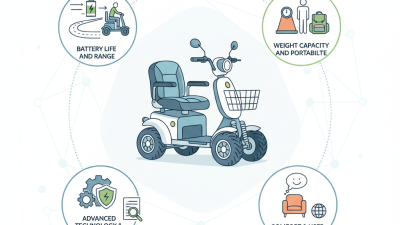
2026 Top 4 Wheel Electric Scooter Innovations and Features?
As we approach 2026, the world of 4 Wheel Electric Scooters is on the brink of exciting innovations. Experts predict transformative features that will redefine urban transportation. Dr. Emily Carter, a leading engineer in electric mobility, states, "Innovation in 4 Wheel Electric Scooters is not just about speed; it's about safety and accessibility."
These scooters are designed for enhanced stability and ease of use. With advancements in battery technology, we can expect longer ranges and shorter charging times. Features like smart navigation systems and integrated safety measures are becoming standard. Yet, there remain challenges in maintaining affordability without compromising quality.
The potential for growth in the 4 Wheel Electric Scooter market is immense. However, user feedback shows a need for better design ergonomics and maintenance support. Innovations must address these concerns to create a reliable and enjoyable riding experience for all. The future is bright, but it demands careful thought and ongoing improvement.
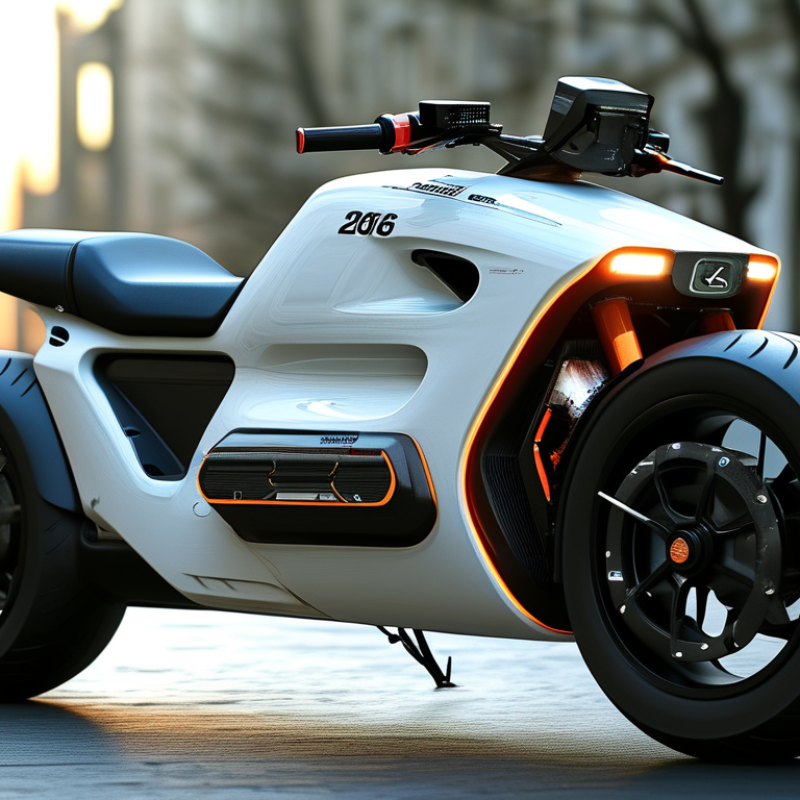
2026 Electric Scooter Market Overview and Growth Projections
The electric scooter market is witnessing remarkable growth. According to a recent report by MarketsandMarkets, the global electric scooter market is anticipated to expand from USD 20 billion in 2023 to USD 36 billion by 2026. This significant growth signals a shift towards more sustainable transport options. Urban areas are increasingly embracing electric scooters for short-distance travel, reducing congestion and pollution.
Several factors contribute to this surge. Rising fuel prices and a growing environmental consciousness among consumers drive the adoption of electric scooters. Additionally, government incentives are motivating users to choose electric alternatives. A survey conducted by Statista highlights that over 60% of urban commuters are considering electric scooters as their primary mode of transport. However, challenges remain. Battery longevity and charging infrastructure are areas that require improvement. Consumers often express concerns about battery life during longer trips.
Furthermore, safety features are crucial in encouraging adoption. Data from the Electric Scooter Company notes that about 15% of users experience accidents due to safety issues. The industry must focus on enhancing safety measures to gain consumer trust. As the market evolves, addressing these challenges will be vital for sustainable growth in the electric scooter sector.
Key Innovations in Electric Scooter Technology for 2026
The electric scooter landscape in 2026 is poised for significant transformation. Key innovations are emerging, designed to enhance user experience and safety. One prominent feature is the integration of AI-driven navigation systems. These systems can adapt routes based on real-time traffic data and user preferences. Imagine scooting away from congestion using the most efficient path.
Battery technology is also evolving. New solid-state batteries promise longer ranges and faster charging times. Users can expect to travel up to 50 miles on a single charge. However, quick charging may raise concerns about battery life over time. Additionally, regenerative braking systems are now more efficient, converting kinetic energy back into electric power. This feature not only extends range but also enhances safety by providing better control.
Another notable innovation is the emphasis on smart connectivity. Electric scooters can now connect to smartphones via apps. This allows riders to monitor performance metrics and even locate their scooters easily. While these advancements offer benefits, they also present challenges. Increased digital reliance may lead to security vulnerabilities. Overall, these innovations aim to create a more interconnected and user-friendly experience.
Top Safety Features Expected in 2026 Electric Scooters
As electric scooters gain popularity, safety remains a top priority. In 2026, innovations in safety features are expected to be pivotal. A recent industry report forecasted that 60% of scooter users prioritize advanced safety features in their purchasing decisions. This highlights the importance of robust safety technologies in future designs.
One expected innovation is enhanced braking systems. Regenerative braking and anti-lock braking systems (ABS) will help reduce stopping distances. Research suggests that scooters equipped with ABS can reduce accidents by up to 30%. Furthermore, improved lighting systems will ensure better visibility at night, addressing the common hazard of low-light conditions.
Another area of focus will be connectivity features. Real-time data sharing can alert users to potential hazards. For example, collision detection systems may reduce crash risks significantly. This could encourage responsible riding behaviors and foster a sense of community among riders. Industry experts advocate for the integration of AI to analyze riding patterns. Yet, the challenge lies in data privacy and the need for regulations to protect user information.
Sustainability Trends Shaping the Electric Scooter Industry in 2026
The electric scooter industry is undergoing significant transformation in 2026, driven by sustainability trends. As urban areas prioritize green transportation, innovations are focused on eco-friendly materials and efficient battery systems. Many manufacturers are opting for recyclable components, reducing waste in the production process. This shift not only helps the environment but also appeals to environmentally-conscious consumers.
Battery technology is another crucial area of innovation. Lightweight, long-lasting batteries are essential for enhancing range and performance. Efforts are underway to create batteries that can be easily repurposed or recycled, addressing the need for sustainability. Despite progress, challenges remain. Current battery disposal methods often lack efficiency, leading to potential environmental hazards.
Furthermore, smart technology integration is expected to improve user experience while promoting sustainable habits. Features like energy monitoring apps can help riders optimize their usage. However, not every innovation is flawless. Some users may face difficulties adapting to new technology. The balance between innovation and accessibility is vital for widespread adoption.
2026 Top 4 Wheel Electric Scooter Innovations and Features
| Feature |
Description |
Sustainability Impact |
| Solar Charging Panels |
Integrated solar panels on the scooter's surface to enable self-charging during daylight. |
Reduces reliance on grid electricity, uses renewable energy sources. |
| Smart Battery Management Systems |
Advanced battery systems that optimize charging cycles and extend battery life. |
Minimizes waste and promotes battery recycling initiatives. |
| Eco-Friendly Materials |
Construction utilizing biodegradable and recyclable materials without sacrificing durability. |
Reduces environmental footprint and promotes circular economy. |
| Regenerative Braking System |
A braking system that recovers kinetic energy and recharges the battery during deceleration. |
Enhances efficiency and reduces overall energy consumption. |
Consumer Insights: What Riders Want from 2026 Electric Scooters
As we look ahead to 2026, understanding rider preferences for electric scooters becomes essential. Many riders express a desire for enhanced battery life. A range that exceeds 40 miles is becoming increasingly important. Riders want scooters that can travel longer distances on a single charge. This need for longevity directly impacts daily commuting and leisure rides.
Safety features are another key interest among users. A demand for better brake systems and integrated lighting is prevalent. Riders are looking for equipment that ensures a safe riding experience, especially in low-light conditions. Additionally, improved stability and shock absorption technology can significantly enhance comfort on uneven terrain. Riders often report a wish for a smoother ride, highlighting the need for better engineering in scooter design.
Many riders are also keen on smart technology integration. Features like GPS tracking and smartphone connectivity can provide peace of mind. However, many users are concerned about the complexity of these systems. Simple interfaces are crucial for user satisfaction. Keeping the rider experience intuitive yet modern is a challenge for manufacturers to address in future models.