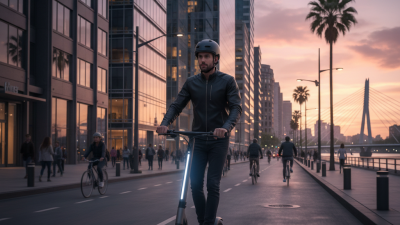
Electric Bike Scooters are reshaping short-distance travel, especially where traffic is dense and parking is limited. The International Energy Agency’s Global EV Outlook 2024 identifies electric two- and three-wheelers as the most electrified road-transport segment worldwide. That finding matters for buyers. It shows that compact electric mobility is no longer a niche experiment.
Yet choosing a suitable model requires more than checking motor wattage. Battery capacity, certified range, charging time, tire design, braking performance, weather resistance, and after-sales support can change daily ownership. A scooter that feels powerful on a flat city street may struggle on a steep suburban route. Real-world range is often lower than laboratory figures. That gap deserves attention.
This guide reviews 10 Best Electric Bike Scooters for Global Buyers through a practical, evidence-based lens. It considers commuting comfort, portability, safety equipment, reliability, and regional usability. The European Environment Agency has repeatedly linked urban transport choices with emissions and air-quality concerns, while the OECD’s International Transport Forum highlights the need for safer micromobility infrastructure. These reports support a broader view: a good vehicle must fit both the rider and the street.
Not every buyer needs the fastest model. Some need a removable battery. Others need stronger suspension or local repair access. Regulations also differ by country, so specifications should never replace local verification. This list is useful, but not perfect. Product quality can change, and marketing claims require careful checking. Expect clear comparisons, practical details, and a few uncomfortable trade-offs.
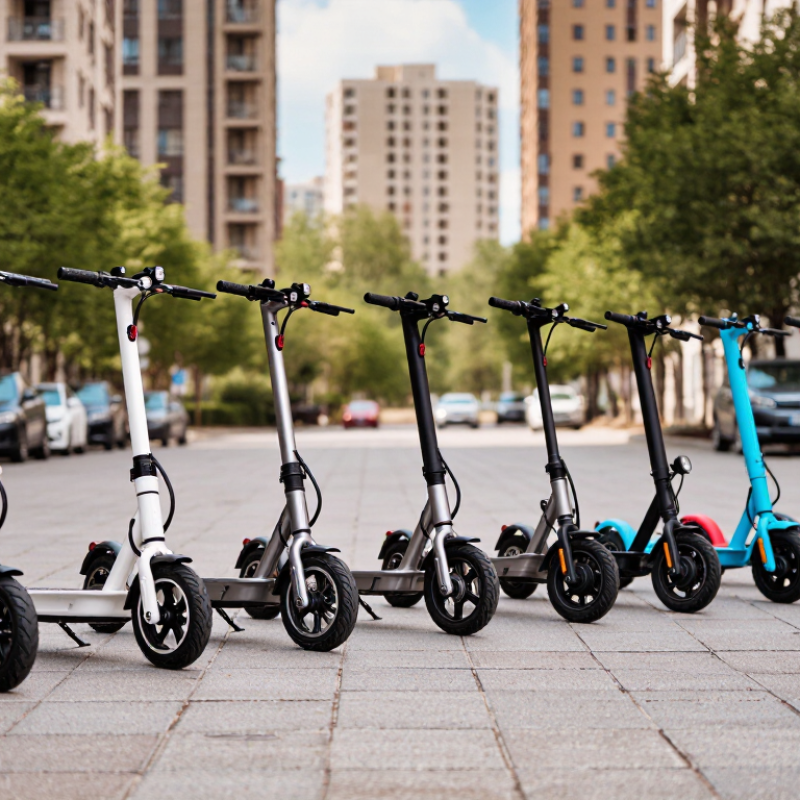
A suitable electric bike scooter must handle more than daily commuting. Global buyers face different roads, climates, riding rules, and charging conditions. The best choice begins with local compatibility, not appearance.
Check the motor output, battery capacity, and expected range carefully. A scooter that travels 40 kilometers in mild weather may perform differently on hills or in cold temperatures. Tire width matters on uneven streets.
Strong lights, visible reflectors, and reliable brakes improve confidence during early morning rides. Water resistance is also important, but no scooter should be treated as fully waterproof without clear manufacturer testing. Confirm the charger supports your local voltage and plug type. Review speed limits and equipment requirements before ordering. Rules vary widely.
Tips: Measure your storage space first. Check the folded height. Ask about replacement batteries, brake parts, and regional repair support. Read the warranty conditions, especially for international shipping. A clear manual in your language is a practical advantage.
I also recommend comparing real riding weight, not only the advertised maximum load.
A heavier scooter may feel stable but become difficult on stairs. A lighter model may be easier to carry, yet less comfortable on rough pavement. There is no perfect design. A careful buyer should balance portability, safety, range, weather protection, and long-term service.
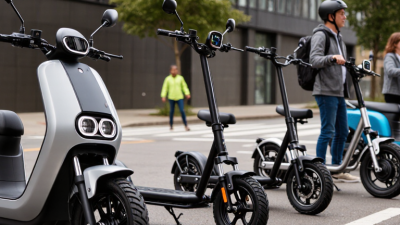
Choosing among the 10 best electric bike scooters requires more than checking top speed. Compare motor output, battery capacity, and real-world range under similar conditions. A heavier rider, steep road, or strong headwind can reduce advertised distance sharply. Testers should measure range on ordinary streets, not only smooth laboratory routes.
Braking performance deserves close attention. Look for responsive brakes, bright lights, reflectors, and stable tires with practical tread. Suspension can improve comfort on broken pavement, but it also adds weight and maintenance points. Check the deck width, handlebar height, and folding mechanism. A scooter that feels impressive in a showroom may become awkward on stairs or crowded public transport. Small details matter.
Battery safety and charging compatibility are equally important for global buyers. Confirm the charger supports your local voltage and uses recognized safety protections. Ask about water resistance, replacement batteries, repair access, and warranty coverage. Some models promise smart controls, but complicated apps may frustrate less technical riders. Simpler can be better. I once focused too heavily on speed and underestimated braking feel. That was a poor comparison method. Read independent test reports, verify local riding requirements, and compare total ownership costs rather than purchase price alone.
Choosing among the 10 best electric bike scooters depends on how and where you ride. For short city trips, choose a light model with quick folding and responsive brakes. Commuters may prefer larger wheels, a stable deck, and enough battery for daily travel. Uneven streets need stronger suspension and puncture-resistant tires. Keep it steady. Riders carrying groceries should check the weight limit and deck space. A compact scooter suits trains and small apartments, while a long-range model fits larger suburbs. However, advertised range can fall in cold weather, strong wind, or heavy traffic.
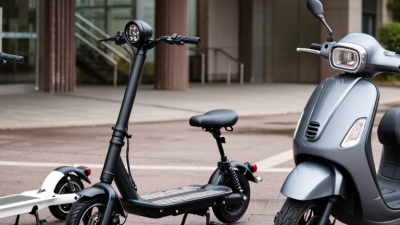
For hills, compare motor power, climbing performance, and braking control rather than relying on speed alone. A seated electric scooter can reduce fatigue during longer rides. Riders seeking exercise may prefer pedal assistance instead of constant throttle use. Families should prioritize adjustable controls, visibility, and a secure riding posture. Night riders need bright front and rear lights, reflectors, and a clear view of the road. I have found that comfort often matters more than peak speed. Still, some specifications are difficult to compare fairly.
Tips: Measure your usual route before buying. Check battery range with a safety margin of at least 20 percent. Test the brakes at low speed first. Wear a certified helmet and follow local traffic rules. Inspect tire pressure, folding locks, and cable damage regularly. Do not ignore unusual sounds. A service manual and available replacement parts can prevent small problems from becoming expensive repairs.
Choosing among electric bike scooters requires more than checking motor power or range. The International Energy Agency reported over 25 million electric two- and three-wheelers sold worldwide in 2023, showing strong demand across Asia and other regions (IEA, Global EV Outlook 2024). Yet availability remains uneven because approval, labeling, and battery transport requirements differ by country.
In the European Union, pedal-assisted models commonly follow the 250-watt and 25-kilometre-per-hour limits for bicycle treatment. Faster models may require registration, insurance, or motorcycle-style equipment. The United Kingdom uses a similar 250-watt limit, with assistance ending at 15.5 mph. Rules for stand-up scooters are often stricter or limited to approved trials. In the United States, federal consumer safety rules apply, while road access and helmet requirements vary by state and city. Check the destination authority.
Import paperwork deserves equal attention. Lithium batteries generally need UN 38.3 testing evidence, correct watt-hour labeling, and compliant air-shipping documents under IATA’s Dangerous Goods Regulations. Customs may also request invoices, conformity records, charger specifications, and proof of origin. Missing paperwork can delay a shipment or increase storage costs. Battery capacity is not the only issue.
A practical mistake is treating “global” availability as universal approval. It is not. Product listings can also use vague speed claims. Verify the exact assisted speed, continuous motor rating, plug standard, warranty coverage, and local service access before payment. I may be too cautious, but local confirmation is cheaper than a returned scooter.
Choosing among the 10 best electric bike scooters requires more than comparing speed and range. Battery care often determines whether ownership feels dependable or frustrating. Charge the battery with its approved charger in a cool, dry area. Avoid charging beside curtains, bedding, or other flammable materials. Let the battery cool after a long ride before charging it.
For storage lasting several weeks, keep the battery partly charged rather than empty. A moderate charge level reduces stress on the cells. Check the case for cracks, swelling, unusual heat, or chemical odors. Stop using damaged equipment and seek qualified service. Never ignore a strange clicking sound or a sharp drop in range. Small warnings can become expensive problems.
Safety documentation deserves careful attention from global buyers. Look for recognized testing, such as UL 2272 or UL 2849, where relevant to the product category. European buyers may also check applicable EN requirements and local road rules. Certification marks should appear in genuine documents, not only on a sales page. Standards differ between countries, so verification matters.
Long-term value depends on replaceable tires, brake pads, cables, and batteries. Ask whether these parts remain available after the warranty ends. Inspect tire pressure weekly, especially before carrying extra weight. Test the brakes on a quiet surface before entering traffic. Rain, salt, heat, and steep hills can shorten service life. I have found that advertised range often feels optimistic in cold weather or with frequent stops. That gap deserves honest planning.
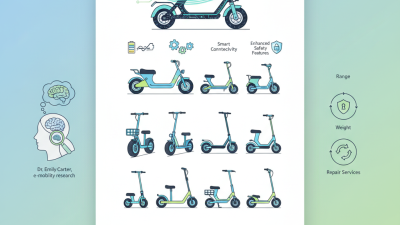
Comparative ownership scores based on battery-care practicality, safety-feature coverage, serviceability, weather protection, and expected long-term usability. Scores are generic configuration assessments and do not represent any company or brand.
For longer battery life, use the supplied charger, avoid extreme heat, store the battery around 30–60% when unused, and follow the vehicle maker’s charging limits. Before buying, confirm the applicable local requirements for braking, lighting, speed limits, electrical safety certification, and road use.