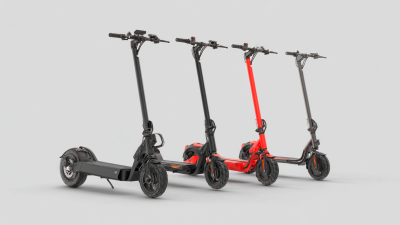
Top Electric Scooter Manufacturers in China for Global Buyers
China’s electric-scooter industry serves a wide range of buyers, from city commuters to fleet operators. The International Energy Agency’s Global EV Outlook 2024 identifies electric two- and three-wheelers as an important part of transport electrification. Its analysis also shows why market context matters: adoption, vehicle design, and charging habits vary across regions. A scooter suited to dense Chinese streets may not fit a buyer’s roads, climate, or service network.
This guide to Top Electric Scooter Manufacturers in China for Global Buyers focuses on practical selection criteria. These include battery specifications, motor performance, safety features, production capacity, quality-control processes, and after-sales support. Buyers should also check whether a supplier can provide consistent documentation and adapt configurations for their intended market. Details matter. A battery label, spare-parts list, or warranty clause can reveal more than a polished showroom photo.
Searches for “Scooter Electric” often return broad claims about range, power, and durability. Treat those figures as starting points, not guarantees. Request test conditions, certifications relevant to your destination, and clear explanations of warranty coverage. No manufacturer excels at everything. And brochures rarely show the full picture. This comparison aims to distinguish established capabilities from claims that still need verification, helping global buyers ask better questions before placing an order.
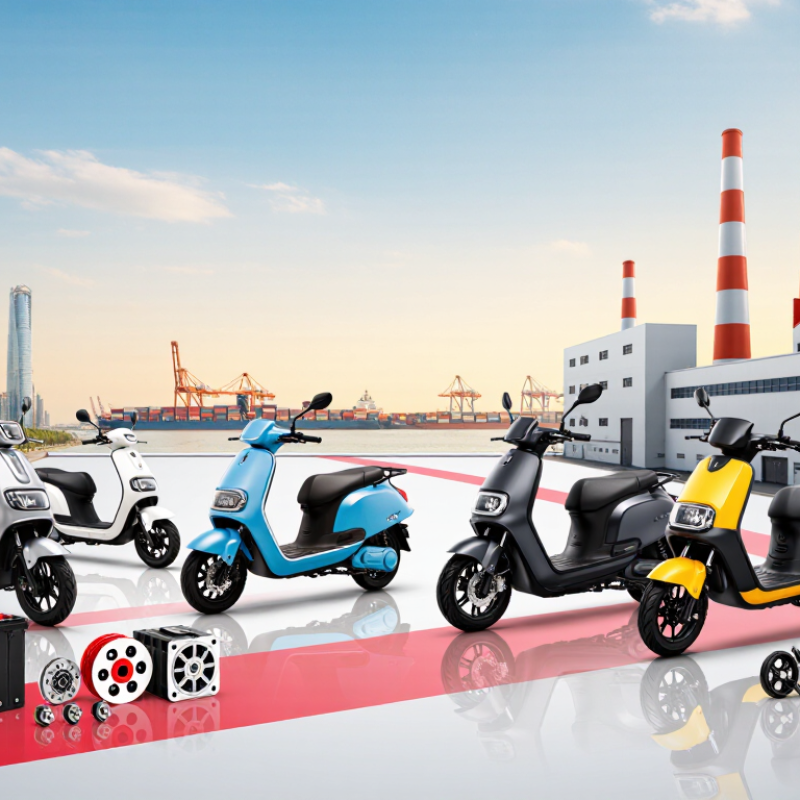
Understanding China's Electric Scooter Manufacturing Industry
China’s electric scooter manufacturing industry includes component specialists, assembly plants, and trading companies. Their capabilities vary widely. Some factories manage frame welding, painting, and final assembly in one location; others rely on outside suppliers. This affects lead times and quality control. Details matter. A polished sample does not always reflect routine production, so buyers should ask how finished units are inspected.
A careful supplier review looks beyond price and catalog specifications. Request battery and charger documentation, test records, production capacity details, and a clear warranty process. Ask how the factory checks brakes, lights, wiring, and folding parts before shipment. If possible, compare a production sample with the approved specification. Communication can be imperfect, even with capable manufacturers; confirm key requirements in writing and allow time for revisions. Local import and safety requirements also differ, so verify them with qualified professionals before ordering.
Tips: Ask for recent inspection evidence, not just promises. Confirm who handles spare parts and service questions after delivery. Start with a manageable order, then review consistency before scaling up.
How to Evaluate Manufacturers for Global Markets
When evaluating electric scooter manufacturers for global markets, look beyond catalog photos and quoted prices. Ask how frame welds, brake alignment, and battery capacity are checked on the production line. Request recent inspection records and sample test reports, then compare them with the actual scooter. A polished document proves little by itself. Check whether the factory can explain defects and show how it prevents them from recurring.
Discuss the requirements of your destination markets early. Ask who verifies product labels, user manuals, packaging, and applicable safety documentation. Confirm battery specifications and transport arrangements with qualified logistics partners; these details can affect cost and delivery time. Small details matter. Request a sample packed as it would be shipped, and inspect its protection, included parts, and instructions. Some teams overlook this step.
Also evaluate communication and after-sales support. Set a clear response window and ask how spare parts, warranty claims, and technical questions are handled. A video call can reveal production flow, but it cannot replace independent checks. If possible, arrange an audit or use a qualified inspection service. No factory is flawless, and a short visit may miss problems. Keep written records of agreed specifications, tolerances, and change approvals before production begins.
Top Electric Scooter Manufacturers in China for Global Buyers — How to Evaluate Manufacturers for Global Markets
EU battery-regulation milestones to check when assessing a manufacturer’s readiness for European markets.
How to use this: Ask suppliers how they support applicable EU battery requirements, including documentation and battery-passport readiness for light means of transport (LMT) batteries. Requirements can vary by product and provision; verify which rules apply to your specific scooter and target market.
Milestones: Regulation (EU) 2023/1542 entered into force on 17 August 2023; it generally applies from 18 February 2024, with phased exceptions. Battery passports are required from 18 February 2027 for LMT batteries and certain other battery categories. Source: EU Battery Regulation (EU) 2023/1542.
Profiles of Leading Chinese Electric Scooter Manufacturers
Chinese electric scooter manufacturers differ less by brochure claims than by production strengths. Some factories focus on compact commuter models, with folding frames, modest motors, and batteries designed for daily urban trips. Others build heavier scooters with larger tires and reinforced decks. Their workshop priorities are visible: frame welds, cable routing, brake adjustment, and consistent fastener torque. Small details matter.
Export-oriented manufacturers often support custom colors, packaging, and product documentation. More integrated producers may handle frame fabrication, assembly, and inspection under one roof, which can simplify quality tracking. Buyers should request recent test reports, component specifications, and sample-unit inspection records. Ask how battery capacity is measured and how warranty claims are handled. Clear answers are useful evidence. Vague answers are not.
No single factory profile suits every buyer. A lightweight model may ship efficiently but feel unstable on rough pavement. A sturdier scooter can add weight and cost. Even an impressive sample may not reflect every production batch; that deserves honest attention. Compare suppliers through repeatable checks, including braking response, range under stated conditions, and spare-parts availability. A careful profile should describe both what a manufacturer does well and what still needs verification.
Comparing Product Ranges, Capabilities, and Certifications
For global buyers, comparing Chinese electric scooter manufacturers means looking beyond model photos. The IEA’s Global EV Outlook 2024 reports nearly 10 million electric two- and three-wheelers were sold worldwide in 2023, about one-fifth of sales in that vehicle category. That scale supports broad product ranges, but does not guarantee consistent quality. Compare commuter, delivery, and seated models by motor rating, tested range, payload, and battery capacity. Ask how range was measured; rider weight, temperature, and road surface can change the result. Numbers need context.
Production capability matters just as much. Check whether the supplier controls battery-pack assembly, incoming-part inspection, and final road testing, or relies on subcontractors. Request sample inspection records and spare-parts lead times. For certifications, match documents to the exact model and destination market. Examples include EN 17128 testing for personal light electric vehicles and UL 2272 evaluation of electrical systems. Battery transport documents, such as UN 38.3 test summaries, should also correspond to the shipped battery. A certificate for a similar model is not enough.
Tip: Ask for a recent test report, the certificate number, and photos of the rated label on the scooter and charger. Verify details with the issuing body where possible. Small details matter. Even a strong supplier may have uneven documentation; allow time to check it.
Sourcing, Compliance, and Export Considerations for Buyers
Top Electric Scooter Manufacturers in China for Global Buyers
Sourcing begins with a written specification, not a showroom conversation. Define range, payload, motor rating, charger input, and intended riding conditions. Ask shortlisted manufacturers for current test reports, battery transport documentation, and a clear parts list. Requirements differ by destination, so verify applicable safety, labeling, and electromagnetic compatibility rules with qualified local professionals. A factory audit can reveal assembly practices, but it cannot guarantee every production unit matches the sample. That distinction matters.
Tips: Request a pre-shipment inspection. Check serial numbers, carton labels, manuals, and charger plugs against your approved sample. Keep dated photos and signed inspection records.
Before paying a deposit, confirm production capacity, lead times, warranty terms, and who handles spare parts. Ask how defects are recorded and resolved. Export paperwork should match the goods: descriptions, quantities, values, and shipping documents need careful review with your freight forwarder or customs broker. Clarify Incoterms, insurance, and responsibility for destination charges in writing. Small details cause delays. I would still leave buffer time; even a tidy plan can miss a port cutoff or document correction.