How to Choose the Best Electric Scooter for Your Business?
Choosing the best Electric Scooter for a business requires more than comparing speed, range, and purchase price. It requires evidence.
The global electric scooter market was valued at approximately USD 33.8 billion in 2022. Grand View Research expects strong growth through 2030. Fortune Business Insights also identifies urban commuting and delivery services as major demand drivers. These figures show opportunity, but they do not guarantee a profitable fleet. A scooter designed for leisure may fail under eight hours of daily commercial use.
Horace Dediu, founder of Micromobility Industries, defines micromobility as “the movement of people and goods over short distances using lightweight vehicles.” His view is important for business buyers. The vehicle must fit the journey, worker, load, road surface, and charging routine. A restaurant fleet may need removable batteries and washable decks. A campus operator may value braking control, GPS integration, and simple maintenance. Small details matter.
Real-world testing should come before a large purchase. Measure battery performance on actual routes, including hills, rain, and repeated stops. Check tire replacement time and spare-part availability. Review warranty exclusions carefully. Consider theft prevention, rider training, insurance, and local operating requirements. These factors can change total ownership costs significantly.
The International Energy Agency’s Global EV Outlook highlights continued electrification in road transport. Yet many reports focus on sales, not daily business reliability. That gap deserves attention. A spreadsheet can look perfect. A technician facing ten damaged scooters may disagree. This guide will help businesses compare practical performance, operating costs, safety features, and supplier support before choosing an Electric Scooter fleet.
Define Your Business Needs and Scooter Use Cases
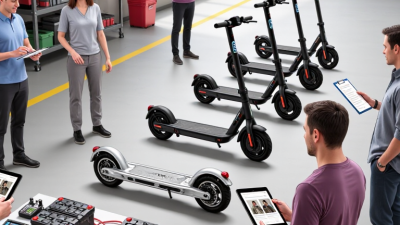
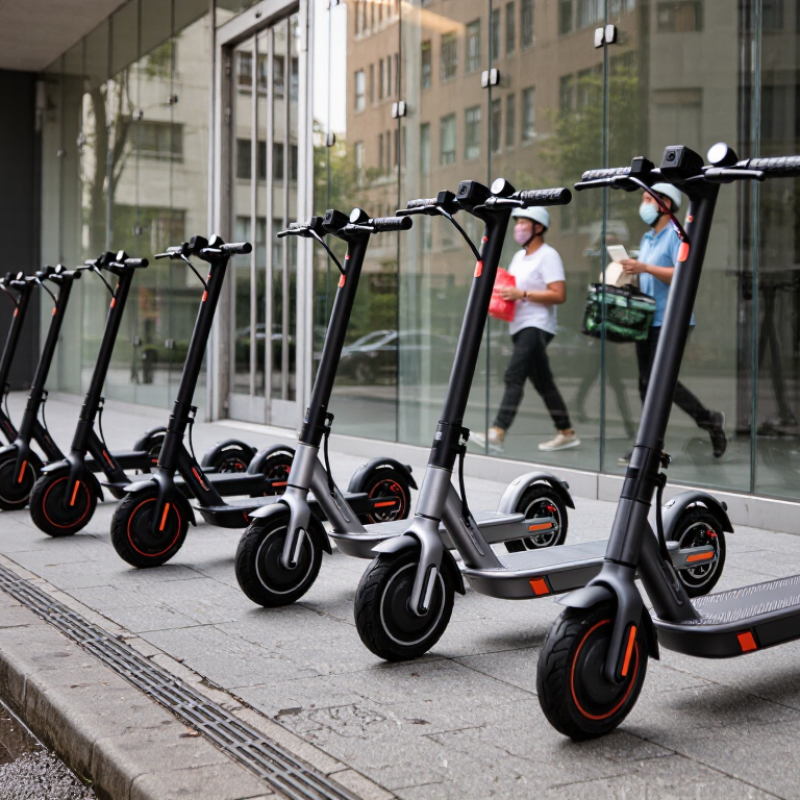
Before comparing electric scooters, define the work they must perform. A hotel may need quiet transport between buildings, while a warehouse may require repeated indoor deliveries. A maintenance team faces different demands, including tools, uneven surfaces, and long shifts. Record daily distance, rider weight, cargo weight, route gradients, weather exposure, and charging access. Do not rely on one impressive range figure. Real loads reduce practical range.
Use measurable evidence. NACTO reported 157 million shared micromobility trips across the United States and Canada in 2023, showing strong demand for short urban journeys. However, shared-use data may not represent private business operations. Test scooters on your actual route for one week. Measure battery consumption, braking comfort, loading time, and rider fatigue. Small details matter. A narrow elevator can delay a whole team.
Safety and uptime should shape the specification. Choose appropriate lighting, stable tires, predictable braking, water resistance, and simple maintenance access. The U.S. Department of Energy’s Alternative Fuels Data Center emphasizes that operating costs depend on energy use, maintenance, and vehicle utilization, not purchase price alone. Build a cost sheet using realistic charging cycles and replacement parts. One assumption may be wrong. Review it after field testing. A scooter that works well for occasional errands may fail during eight-hour commercial use. Track failures, near misses, and charging interruptions before expanding the fleet.
How to Choose the Best Electric Scooter for Your Business?
Define Your Business Needs and Scooter Use Cases
Battery capacity is estimated from daily operating distance using a planning assumption of 15 Wh/km and a 25% energy reserve. Longer routes and delivery workloads require higher capacity, while campus and employee-commuting applications can prioritize lighter scooters and easier charging.
Planning model: Estimated battery capacity = daily distance × 15 Wh/km ÷ 0.75. Actual performance varies with rider weight, terrain, temperature, speed, and payload.
Compare Motor Power, Range, and Battery Performance
For a business fleet, motor power should match the route, payload, and operating surface. A higher wattage rating does not automatically deliver stronger daily performance. Ask for continuous power, peak power, hill-climbing data, and tested performance under load. A scooter carrying tools uphill needs more usable torque than one serving short, flat commutes. Some specifications look impressive but remain difficult to compare.
Range claims require careful interpretation. Laboratory results often assume light riders, smooth pavement, moderate temperatures, and gentle acceleration. Real routes are less polite. The 2023 NACTO Shared Micromobility Report recorded 157 million shared micromobility trips in the United States and Canada. That scale highlights frequent stopping, starting, and charging pressure. Calculate range using your heaviest normal load, not the brochure’s ideal rider. Keep a 20–30% reserve for detours, weather, and battery aging.
Battery performance affects payroll, availability, and replacement costs. The IEA’s Global EV Outlook 2024 reported a 14% fall in lithium-ion battery pack prices during 2023, but scooter packs can differ greatly in chemistry and protection. Request cycle-life results, charging time, thermal safeguards, and capacity retention after repeated use. Cold weather matters. AAA testing found electric-vehicle range fell by 41% at 20°F, although scooter results will vary. Test a small group on your actual route for two weeks. I would not trust one perfect ride.
Evaluate Safety Features, Durability, and Rider Comfort
Choosing the best electric scooter for business use requires more than comparing speed. Daily riders need predictable control, strong construction, and comfort during repeated trips.
Evaluate safety features in real conditions. Check the headlight, rear light, reflectors, horn, and braking response before ordering. Dual braking systems can offer useful backup, but only when both controls feel natural. Test them with gloves and a loaded delivery bag. A wide, grippy deck helps riders stay balanced on uneven pavement. Short test rides reveal problems that a specification sheet can hide.
Durability depends on the frame, wheels, battery enclosure, and daily maintenance plan. Look for a clearly stated load rating, puncture-resistant tires, and protected cables. Ask how replacement parts are sourced and how service records are handled. In fleet use, loose fasteners and worn brake pads often appear before major failures. Create a weekly inspection sheet for tire pressure, brakes, lights, and folding joints. Keep it simple. I once underestimated charging access, and riders lost time moving scooters between outlets. This was not a scooter defect, but it exposed a weak operating plan.
Rider comfort directly affects concentration and productivity. Choose handlebars that suit different heights, with grips that stay secure when wet. Suspension can soften rough streets, while a stable deck reduces ankle fatigue. Check the throttle for smooth response rather than sudden acceleration. Weight matters too; staff may need to lift the scooter over a curb or into storage. Do not trust a single showroom ride. Have several riders test the same route, then record discomfort honestly. Small complaints become expensive when they repeat every workday.
Select the Best Supplier and Match Scooters to Your Budget
How to Choose the Best Electric Scooter for Your Business?
Electric scooters can reduce short-distance delivery costs and improve urban mobility. The International Energy Agency reported over 10 million electric two- and three-wheelers sold globally in 2023. Demand is growing, but every business needs a different setup. A courier team may need long range and strong cargo capacity. A hotel may value comfort, easy storage, and quiet operation. Match the scooter to daily routes, rider weight, road surfaces, and charging access.
Supplier quality matters as much as scooter specifications. Ask for battery test records, warranty terms, replacement-part availability, and service response times. Request a sample unit before placing a large order. Check its braking feel, folding joints, tire grip, and display visibility in real conditions. NACTO’s 2023 Shared Micromobility Report recorded 157 million shared trips in the United States. That scale highlights the need for reliable maintenance, not just attractive pricing.
Set a complete budget, not only a purchase price. Include chargers, spare tires, batteries, training, repairs, and downtime. A lower-priced scooter may become costly after repeated failures. The cheapest quote can be expensive. Still, premium features are not always useful. A fleet operating on smooth private roads may not need advanced suspension. I would compare total cost over three years and test at least two suppliers. Some decisions will remain imperfect, especially when battery life varies with temperature, rider weight, and charging habits.