How to Choose the Best Electric Scooter Bike for You?
Choosing the right Electric Scooter Bike can be daunting, given the explosion of options in today's market. According to a report by the International Transportation Forum, e-scooter use has grown by over 300% in the last three years. This surge underlines the need for informed choices. Renowned e-scooter expert Dr. Emily Thorpe states, "Selecting the right e-scooter bike requires understanding your unique needs and preferences."
Potential buyers must consider various factors beyond just price. Battery life, maximum speed, and weight capacity play crucial roles in ensuring a suitable match. For instance, a commuter may benefit from a lightweight scooter that is easy to carry. Meanwhile, outdoor enthusiasts might prioritize longer battery life for extended rides. Research shows that 70% of users report battery issues impacting their overall experience. Understanding these trade-offs is essential for satisfaction.
However, not all options will suit everyone. The electric scooter bike market is diverse, but this variety can lead to indecision. Clarity in one’s usage goals is needed to cut through the noise of marketing claims. Reflecting on personal needs while weighing technical specifications can ultimately lead to better choices and enhanced riding experiences.
Understanding Your Needs: Purpose and Usage of an Electric Scooter
Choosing the right electric scooter bike starts with understanding your specific needs. Consider your primary purpose for the scooter. Will you use it for daily commuting, leisure rides, or perhaps short errands? A report by the Consumer Electronics Association states that over 32% of people use electric scooters for commuting. This highlights the importance of matching your scooter type to your intended use.
If commuting is your goal, look for a scooter with a range of at least 15 miles. Many commuters appreciate a lightweight design for easy portability. On the other hand, if leisure is your focus, comfort features like a wider deck and proper suspension become paramount. A study from Transport Research UK indicates that comfortable rides improve user satisfaction by 55%.
Evaluate your riding environment as well. Is it mostly flat, or are there hills? Understanding your terrain is crucial. For urban areas with steep inclines, you might need a scooter with higher torque and better battery life.
Consider battery life carefully. A regenerative braking system can enhance efficiency. A good scooter should sustain longer trips without frequent recharging. Reflect on your budget, too. It's essential to find a balance between features and cost. Investing in quality can lead to better long-term performance and safety.
Electric Scooter Usage by Purpose
Key Specifications to Consider: Speed, Range, and Weight Capacity
When choosing an electric scooter, key specifications like speed, range, and weight capacity significantly impact your experience. According to industry reports, the average speed of electric scooters ranges from 15 to 30 mph. Some models may even exceed this range. For urban commuting, a maximum speed of around 20 mph is often sufficient. This balance ensures safety while providing a smooth ride.
Range is another critical specification. Most electric scooters can cover between 15 to 40 miles on a single charge. However, factors such as rider weight and terrain can affect performance. It is essential to consider your daily commuting distance. If it's around 10 miles, a scooter with a range of 20 miles should suffice. Yet, if you frequently take longer trips, you might find yourself needing charging more often than expected.
Weight capacity is often overlooked but crucial. Many scooters support riders up to 220 lbs, while some models handle heavier loads. It's vital to evaluate the combined weight of yourself and any gear. A scooter exceeding its weight limit can lead to reduced speed and range. Remember, these specifications define your riding experience and performance.
Evaluating Battery Life: Types and Charging Times for Electric Scooters
When selecting an electric scooter bike, battery life is a crucial aspect to consider. Different types of batteries offer varying performance. Lithium-ion batteries dominate the market due to their high energy density and longevity. According to industry reports, they can charge up to 80% in just one hour. This rapid charging capability is essential for urban commuters who rely on their scooters for daily travel.
Charging times can vary widely among models. Some entry-level scooters may take up to eight hours to fully recharge. Long wait times can be a drawback for users looking for convenience. Research shows that scooters with fast-charging technology can significantly improve user experience, especially in busy city environments. However, potential buyers should also be aware of trade-offs; fast-charging batteries may not hold their charge as long over repeated cycles.
Battery life impacts the overall usability of an electric scooter. Many scooters offer ranges between 15 to 40 miles per charge. A shorter range can lead to anxiety about finding charging stations. Hence, it's vital to evaluate your daily commuting distance versus the scooter's range. This consideration determines how practical the scooter will be in real-world scenarios. Taking the time to analyze these factors can help ensure you choose a model that truly meets your needs.
Safety Features and Accessories: Enhancing Your Riding Experience
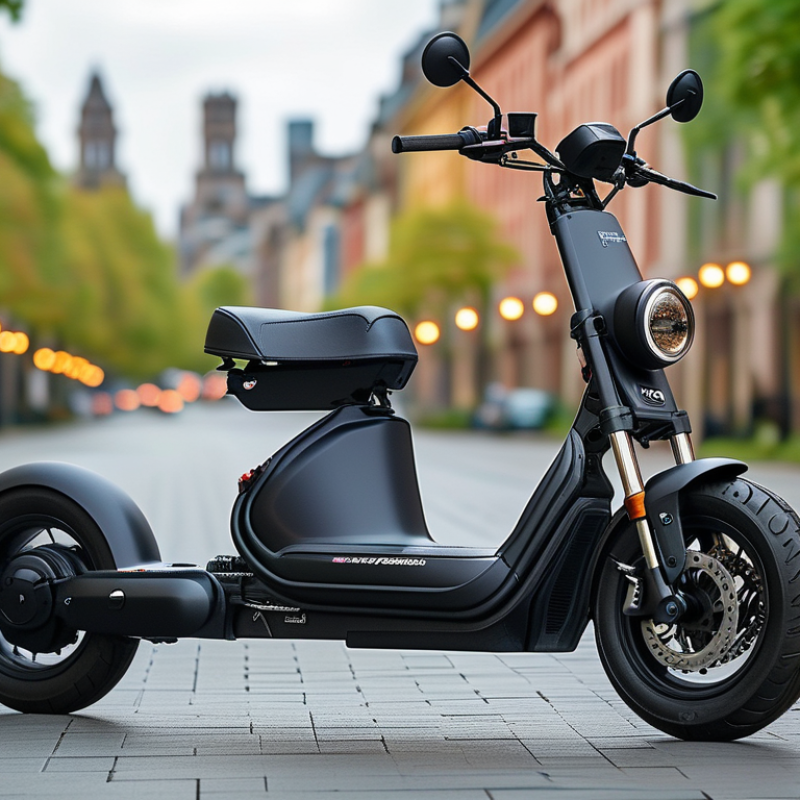
When choosing an electric scooter bike, safety features play a vital role. Good brakes can prevent accidents. Look for disc brakes or regenerative braking options for reliable stopping power. Ensure that the scooter has bright LED lights, both front and rear. This helps improve visibility at night. A sturdy frame also contributes to your safety on the road.
Consider additional accessories that enhance your riding experience. A good helmet is non-negotiable; it should fit well and be comfortable. Mirrors can increase awareness of your surroundings, while a durable lock secures your scooter when parked. Some riders find reflective vests useful for extra visibility, especially in urban settings.
A critical reflection is on how safety features complement riding experience. Not all accessories suit every user, so identify what works for you. Some riders may overlook basic safety gear, thinking it's unnecessary. This can lead to risky situations. Evaluating your riding habits can help in making better choices regarding safety equipment and accessories.
How to Choose the Best Electric Scooter Bike for You? - Safety Features and Accessories: Enhancing Your Riding Experience
| Feature |
Description |
Importance |
Recommendations |
| Braking System |
Includes electronic, mechanical, or regenerative brakes. |
Critical for rider safety in emergencies. |
Look for models with dual braking systems. |
| Lighting |
Front lights, rear lights, and reflectors for visibility. |
Enhances visibility at night, preventing accidents. |
Ensure the scooter has bright LED lights. |
| Tires |
Pneumatic or solid tires that affect ride comfort and grip. |
Important for smooth rides and handling. |
Opt for pneumatic tires for better shock absorption. |
| Weight Capacity |
Maximum weight the scooter can safely carry. |
Crucial for rider safety and performance. |
Choose a scooter with at least 20% higher capacity than your weight. |
| Speed Settings |
Variable speed options for different riding conditions. |
Allows for safer riding in various environments. |
Look for scooters with multiple speed modes. |
| Suspension |
System to absorb shocks from bumps in the road. |
Enhances ride comfort and stability. |
Opt for scooters with front and rear suspension. |
Budgeting for Your Electric Scooter: Price Ranges and Value Assessment
When budgeting for your electric scooter, understanding price ranges is crucial. Electric scooters can vary in prices from a few hundred to several thousand dollars. It's essential to align your budget with your needs and expectations. Assess what features matter most to you. This could be battery life, speed, or portability. Remember, more expensive models often provide better performance and durability.
A common consideration is whether to buy new or used. Used scooters can save you money but may come with hidden problems. Thoroughly inspect any used scooter before purchasing. Sometimes, investing in a new scooter is worth it for peace of mind. A warranty can be an invaluable asset if something goes wrong. Sometimes, what seems like a bargain may lead to higher costs in repairs.
Budgeting also involves understanding the long-term value of your purchase. Will it replace or supplement your current transportation? Calculate potential savings on gas or public transport. Look for models that offer good resale value, too. A scooter may cost more upfront, but it could save you money down the line. Reflect on your lifestyle and commuting needs to ensure you're making the right choice.