Inquiry
Form loading...

What Is a Dual Motor Electric Scooter?

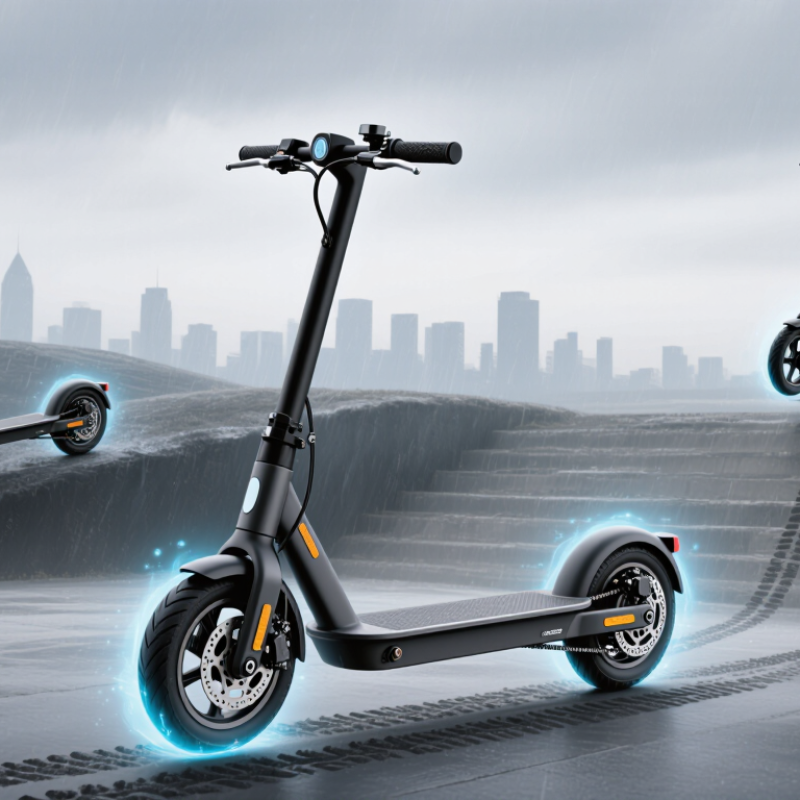
A Dual Motor Electric Scooter uses one electric motor at each wheel, allowing both tires to deliver power. The result can be stronger acceleration and better grip on steep, loose, or wet surfaces. But two motors do not automatically mean a safer or better ride. Weight, battery capacity, tire quality, braking, and controller tuning matter just as much.

The International Energy Agency’s Global EV Outlook 2024 reports that global sales of electric two- and three-wheelers reached nearly 10 million in 2023. That figure shows how quickly electric two-wheel transport is growing, but it does not separate dual-motor scooters from other vehicles. This distinction matters: broad market totals cannot prove that a particular motor layout is more efficient or reliable. For a practical comparison, riders should look for independent tests that disclose route, rider weight, speed, and battery conditions.

Electric Scooter Guide founder Paul Somerville is a relevant industry reviewer, but I cannot verify a direct quotation from him about dual-motor systems. Rather than invent one, here is a clearly labeled editorial takeaway: “Usable traction and controlled power matter more than headline wattage.” It captures the central trade-off. A second motor may help on a sharp incline, yet it can also add weight and draw more energy. The details show up in ordinary moments: a slow hill climb, a damp turn, or the effort of carrying the scooter upstairs. That last test is easy to overlook.
What Is a Dual Motor Electric Scooter?

What Defines a Dual Motor Electric Scooter?

A dual motor electric scooter uses two electric motors, often with one driving each wheel. Its defining feature is how those motors share propulsion and respond to rider input, not simply how fast the scooter can go. A controller manages power delivery, while the battery supplies both motors. On a steep driveway, two driven wheels may help the scooter maintain momentum. The ride can feel more composed on loose or uneven ground. But traction still depends on the tires, rider weight, and surface conditions. Not magic.

Some scooters let riders choose single- or dual-motor operation. Others adjust power automatically, so the label alone reveals little about the tuning. Dual motors can improve acceleration and hill climbing, but hard use may consume more energy. The difference can show up in range, heat, and battery demand—not just in a quick launch. There is more to maintain. Two drive systems may mean extra wiring, components, and repair checks. It is easy to assume that two motors make every ride safer or smoother, but that is not always true. A heavy scooter can still slide on wet pavement, and abrupt throttle may unsettle it. Specifications help, yet actual behavior varies with rider load and terrain.
How the Two-Motor Drive System Works

What Is a Dual Motor Electric Scooter?
How the Two-Motor Drive System Works

A dual-motor scooter uses one electric motor at each wheel, commonly inside the wheel hubs. A battery sends power through a controller, which regulates current to both motors. The rider’s throttle requests acceleration; sensors and control electronics adjust motor output. On a hill, both wheels can contribute torque instead of relying on one driven wheel. The effect is tangible: the front wheel pulls while the rear pushes. It can feel steadier on loose or uneven ground, though tire grip still sets the limit.

More power has a cost. Running two motors can draw more battery current, create extra heat, and shorten range when both work hard. The U.S. Department of Energy’s Alternative Fuels Data Center explains that electric-drive efficiency varies with operating conditions; scooter range therefore cannot be inferred from motor count alone. Battery capacity, rider weight, speed, hills, and tire pressure all matter. Small details count.

NACTO’s 2023 Shared Micromobility Report recorded 133 million shared micromobility trips in the United States and Canada that year. That figure shows how many trips these vehicles serve, not that dual motors are automatically safer or more efficient. A useful check is to compare the stated battery capacity, motor ratings, and independent range tests under similar conditions. I should be cautious here: advertised peak power may not describe sustained output, especially on a long climb.

What Is a Dual Motor Electric Scooter? - How the Two-Motor Drive System Works
Dimension Single-Motor Scooter Dual-Motor Scooter
Motor layout One electric motor drives either the front or rear wheel. Two motors drive both wheels, commonly one motor in each wheel hub.
How drive is delivered The controller sends power to the single driven wheel. One or more controllers coordinate power to the two motors; the front and rear wheels can both contribute to propulsion.
Rated power example A configuration with one 500 W rated motor has 500 W combined rated motor power. Two 500 W rated motors have 1,000 W combined rated motor power. This is an arithmetic example, not a standard scooter specification.
Acceleration and hills Performance depends on motor output, gearing, rider and load, battery condition, and slope. Two powered wheels can provide greater available drive force, which may improve acceleration or hill climbing when the system and battery support it.
Traction Propulsion relies on traction at the single driven wheel. Power can be applied at both wheels, but actual grip still depends on tires, road surface, weight distribution, and control settings.
Energy use and range Energy consumption varies with speed, terrain, rider weight, temperature, and riding style. Using both motors can draw more power under load; range is determined by the whole system and riding conditions, not motor count alone.
System components Typically includes a battery, motor, controller, throttle, and related wiring. Typically includes a battery, two motors, control electronics capable of managing both motors, throttle, and additional wiring.
Weight and complexity Fewer drive components can make the system simpler and lighter, depending on the design. An additional motor and associated electronics generally add components and can increase system weight and complexity.
Important specification check Compare rated power, peak power, battery capacity, controller limits, tire type, and applicable local regulations. Rated and peak power are different measures, and specifications vary by model.

Note: The comparison describes common system designs. Performance and specifications vary by scooter and operating conditions.

Main Components and Power Distribution

What Is a Dual Motor Electric Scooter?

Main Components and Power Distribution

A dual-motor electric scooter has one electric motor in each wheel, usually at the front and rear. Its main parts include the battery, motor controllers, throttle, wiring, and brake sensors. The battery stores energy, while the controllers regulate how much current reaches each motor. Some scooters use a separate controller for each wheel; others use one unit designed to manage both. That matters. When the rider presses the throttle, the control system adjusts motor output in response to the input and riding conditions. Brake sensors may reduce or cut motor power when braking, depending on the scooter’s design.

Power distribution affects how the scooter accelerates and handles different surfaces. With both motors active, the system can send power to both wheels, though the exact balance varies by model and settings. On a wet path, smoother throttle input can help avoid sudden wheel spin. Under heavy load or on a steep hill, the motors may draw more current, which can warm the controllers and reduce available battery range. A tidy wiring diagram can make the setup look simple, but real riding adds bumps, heat, and changing grip. It is worth checking the manufacturer’s specifications rather than assuming both motors always share power equally.

Performance Benefits and Practical Trade-Offs

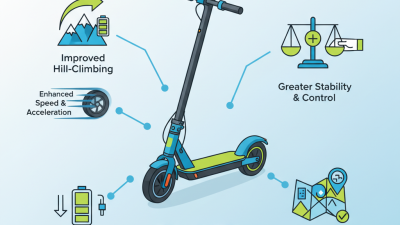
A dual-motor electric scooter has a motor at each wheel, usually front and rear. When both motors work together, acceleration can feel stronger, and steep streets may be easier to climb. On a damp ramp, two driven wheels may help maintain traction, though tires and rider input still matter. The extra pull is noticeable when carrying a backpack or starting from a traffic light. Not magic, though. Power delivery can feel abrupt, especially on a narrow path or for a new rider.

The trade-off is often shorter range: using both motors can drain the battery faster. Long climbs, heavy loads, and repeated hard acceleration can also raise motor and battery temperatures. Some scooters let riders switch between one and two motors, but controls vary. Worth checking first. Extra hardware adds weight, which matters when lifting a scooter up stairs or into a car trunk. More components may also mean more complicated repairs. On a flat commute, the second motor may add little beyond quicker starts. Check braking performance, tire condition, and rated load alongside peak power. Displayed range is only an estimate; speed, hills, temperature, and rider weight all affect it.

Common Uses and Suitability for Different Riders

A dual-motor electric scooter has one motor at each wheel. When both motors provide power, the scooter can accelerate more strongly and maintain momentum on steep streets or loose surfaces. That can help riders carrying a work bag or tackling regular hills. It can also feel less forgiving: sudden throttle input may unsettle a new rider, especially on wet pavement.

For daily commuting, the extra traction may be useful on routes with inclines, rough patches, or frequent stops. But it adds weight and can use battery power faster, depending on the scooter, terrain, and riding style. NACTO’s 2023 Shared Micromobility Report recorded 133 million shared micromobility trips in the United States and Canada. That figure covers shared bikes and scooters, not private dual-motor models; it signals broad use, not proof that more motors suit every commuter.

Experienced riders who need hill-climbing support may value the added drive. Newer riders, or those carrying scooters upstairs and onto transit, may prefer a lighter, gentler model. Try the controls in a safe, open area before riding in traffic.

Small detail, big difference.

Check the stated range, total weight, braking performance, and local riding conditions rather than judging suitability by motor count alone. More power is not automatically more practical.