Top Fast Electric Scooters for Global Buyers in 2026?
The demand for fast electric scooters is surging globally. As urbanization increases, so does the need for efficient transportation. Fast electric scooters provide an appealing solution for commuters seeking speed and convenience.
In 2026, the market will likely feature an array of impressive models. Many are designed for performance, offering remarkable speeds to navigate busy city streets. However, buyers should carefully consider battery range and safety features. Not all fast electric scooters meet high standards, leading to potential issues down the road.
Expect to see innovative designs and superior technology as manufacturers compete. While the excitement for speed is palpable, understanding the practical aspects is crucial. Evaluating options based on reliability and personal usage is vital. This ensures that your choice of fast electric scooter enhances your daily life, rather than complicates it.
Top Electric Scooter Trends Shaping the Market in 2026
The electric scooter market is evolving rapidly as we approach 2026. Key trends are shaping consumer preferences and design advancements. Eco-friendliness remains a priority. Many buyers seek scooters that reduce their carbon footprint. Manufacturers are focusing on sustainable materials. This shift reflects a growing awareness of environmental issues.
Speed and efficiency are also crucial. Modern electric scooters are capable of impressive speeds. Buyers want reliable transportation that can navigate urban environments smoothly. Enhanced battery technology is enabling longer ranges and faster charging times. Potential buyers should assess their commuting needs carefully. The market pressure may lead to rushed decisions, which can backfire later.
Safety features are becoming standard. Advanced braking systems and improved visibility options are essential. Users often overlook these aspects when choosing a scooter. Reliable user reviews can provide insights into these features. More attention to safety could prevent injuries and accidents. Consumers should always prioritize safety over speed or aesthetics. A balanced approach will ensure satisfaction and longevity in their choice of electric scooter.
Key Features to Look for in Fast Electric Scooters
When considering fast electric scooters, several key features will enhance your riding experience. Look for a powerful motor that offers adequate speed for urban commuting. A robust motor should provide a thrilling ride while ensuring stability. Battery capacity is crucial as it directly affects the scooter's range. A larger battery allows longer journeys without frequent recharging.
Consider the weight and portability of the scooter. Lightweight models are easier to maneuver and store. They can ride smoothly yet need a durable build. Opt for scooters with solid frames to handle rough terrains.
Tips: Check out the braking system details. Reliable brakes are essential for safety, especially at high speeds. Also, pay attention to tire quality. Solid tires reduce the risk of punctures. Lastly, lighting features are important for night rides. Ensure your scooter has bright front and rear lights.
Leading Brands Offering High-Speed Electric Scooters
As the demand for high-speed electric scooters rises globally, key players in the industry are innovating to meet consumer expectations. Reports indicate that the worldwide electric scooter market is expected to grow at a compound annual growth rate (CAGR) of 7.7% from 2023 to 2028. This growth is attributed to increased urbanization and a shift towards eco-friendly transport solutions.
Several leading brands are at the forefront, focusing on performance and sustainability. Many new models boast speeds exceeding 30 miles per hour, appealing to speed enthusiasts. Advanced battery technology has enabled longer ranges, with some scooters offering up to 60 miles on a single charge. However, the high price point can deter some potential buyers. It raises questions about accessibility and market inclusivity.
Safety remains a concern, especially as speeds increase. Riders often encounter challenges like inadequate infrastructure and road conditions. Reports show that cities may lack proper lanes for electric scooters, leading to accidents. Manufacturers must prioritize safety features while balancing speed and efficiency. As the industry evolves, continuous assessment of these factors will be crucial in shaping the future of electric mobility.
Top Fast Electric Scooters for Global Buyers in 2026
| Model |
Max Speed (km/h) |
Range (km) |
Battery Capacity (Ah) |
Weight (kg) |
Price (USD) |
| Electric Scooter A |
45 |
60 |
20 |
12 |
599 |
| Electric Scooter B |
50 |
75 |
25 |
14 |
799 |
| Electric Scooter C |
40 |
50 |
15 |
11 |
499 |
| Electric Scooter D |
55 |
90 |
30 |
15 |
999 |
Safety Considerations for Fast Electric Scooter Models
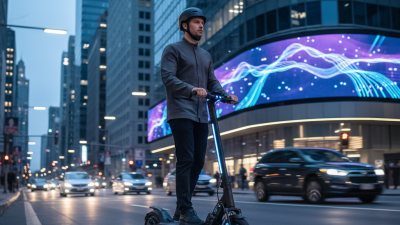
When considering fast electric scooters, safety becomes paramount. With speeds exceeding 30 mph, riders often face increased risks. Helmets are an essential piece of safety gear. Additionally, proper riding techniques can prevent accidents. A scooter's braking system is critical. Dual disc brakes often provide better stopping power than single brakes.
Visibility is another safety aspect that should not be overlooked. Riders must be aware of their surroundings. Bright lights and reflective gear enhance visibility for both the rider and others. Regular maintenance checks can help identify potential safety issues before they become serious problems.
In urban environments, encounters with pedestrians and vehicles increase. Riders should practice defensive driving. Knowing local laws regarding electric scooters is crucial. Some areas restrict the use of high-speed models on sidewalks. Understanding where to ride can prevent conflicts and enhance safety. Riders must remain vigilant. Fast scooters offer thrill, but they also require responsible use.
Top Fast Electric Scooters for Global Buyers in 2026
This chart illustrates the top speed and range of fast electric scooters, along with their safety ratings based on various assessments. The data provides insights into performance capabilities and safety considerations for potential buyers.
Global Regulations Impacting Electric Scooter Use in 2026
As the popularity of electric scooters grows, so do regulations worldwide. In 2026, many cities will implement new rules to manage scooter use effectively. According to a recent industry report, over 70% of urban areas are considering stricter speed limits and designated parking zones for electric scooters. These measures help to reduce accidents and improve safety for both riders and pedestrians.
Furthermore, environmental concerns are also shaping regulations. Studies indicate that cities aim to reduce carbon emissions by 30% by promoting electric vehicle use. Electric scooters are an attractive option for urban transport. Yet, a swift rise in their usage has led to infrastructure challenges.
Cities are struggling to adapt their roads to accommodate this new mode of transport safely. This has raised questions about whether regulations can keep pace with technological advancements.
Despite efforts to enhance regulations, issues remain. Riders often lack proper training, leading to risky behaviors. Reports show that 40% of accidents involve inexperienced riders. As cities work to balance innovation with public safety, ongoing dialogue among city planners, users, and manufacturers is essential for sustainable solutions. Many stakeholders remain concerned about achieving a safe and efficient integration of electric scooters into urban settings.