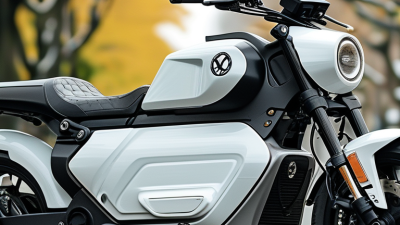
Electric Scooter Motors turn battery power into movement, but their design shapes far more than top speed. They affect hill-climbing, acceleration, noise, maintenance, and how naturally a scooter responds under your feet. A motor that feels lively on a smooth, flat road may struggle on a steep neighborhood incline. That difference matters.
Most modern scooters use hub motors built into one or both wheels. Brushless hub motors are common because they have few moving parts and generally need little routine maintenance. Some use geared hubs for stronger low-speed pull, while direct-drive designs can feel smooth and quiet. Mid-drive motors are less common on everyday scooters, but they can transfer power through a drivetrain. Each approach brings trade-offs. More power is not automatically better.
The right choice depends on where and how you ride. A commuter crossing flat pavement may value efficiency, predictable acceleration, and a modest motor. Riders facing long hills may need stronger sustained output, not just an impressive peak-power figure. That number can be easy to misread. Battery voltage, controller limits, wheel size, rider weight, and heat all influence real performance. Manufacturer specifications help, but they cannot perfectly reproduce every route or riding style.
This guide explains how scooter motors work, compares common motor types, and shows which features deserve attention before you buy. It also considers the limits of simple rankings: the “best” motor is usually the one that fits your daily terrain, range needs, and maintenance preferences. A careful test ride can reveal details a spec sheet misses.
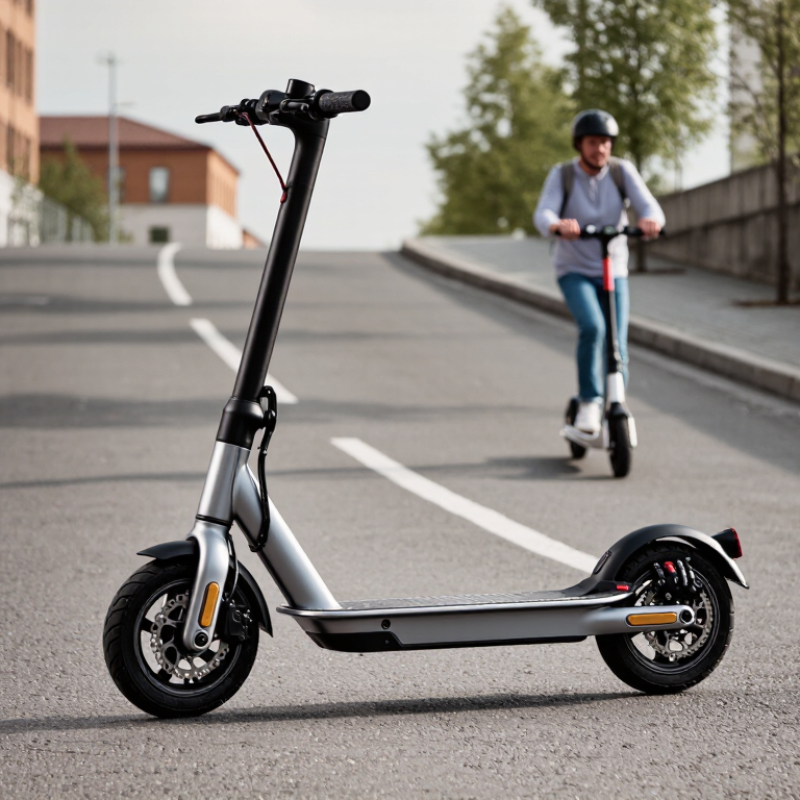
An electric scooter motor converts energy from the battery into rotation that moves the wheel. Its controller regulates the electrical current, helping the motor respond when you use the throttle. Many scooters use a hub motor, built directly into a wheel. The motor housing often looks like a thick metal disc around the axle. Some designs use a mid-drive motor instead, which transfers power through a belt or gear system. The exact layout varies by scooter.
On a hub-motor scooter, the motor is usually in the front or rear wheel; some models have one in each. A rear motor may make the deck feel slightly heavier at the back. A mid-drive motor sits near the deck or folding joint, connected to the drivetrain. Check the wheel and frame before looking for it: wiring often runs from the motor toward the controller. Don’t assume a larger-looking wheel always contains a motor.
Tips: Turn the scooter off before inspecting it. Look for a cable entering the wheel hub, and check the manual for the motor’s location. Avoid pulling or twisting the cable. I once mistook a brake-side cover for the motor housing; it’s an easy detail to misread.
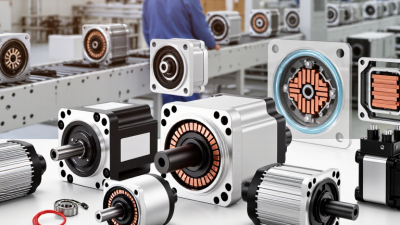
An electric scooter motor turns battery power into wheel rotation through controlled electromagnetism. The battery supplies direct current, and the controller meters it in response to the throttle. Inside a typical brushless motor, current energizes stator coils in sequence. Their changing magnetic field pulls the rotor around, creating torque. In a hub motor, the rotor sits within the wheel, so torque turns the tire directly.
That sequence matters.
More current generally produces more torque, while motor speed rises as the scooter moves faster. The controller times the electrical pulses; the motor does the physical work. Friction and electrical resistance turn some energy into heat, especially during hard acceleration or uphill riding. The U.S. Department of Energy’s motor-systems guidance emphasizes that motors and controls work as a system, not as isolated parts.
One caveat: peak efficiency figures do not describe every ride. Stop-start traffic changes the load. The International Energy Agency’s Global EV Outlook 2024 reports roughly 10 million electric two- and three-wheeler sales in 2023, underscoring how widely this compact drive system is used. The neat explanation leaves out vibration, tire grip, and heat buildup; real-world performance depends on all three.
Electric scooters mainly use hub motors or mid-drive motors. A hub motor sits inside the front or rear wheel, so it sends power directly to that wheel. Many scooters use brushless motors, which avoid brushes that wear down through contact. Hub motors have few moving parts and need relatively little routine attention. On a quiet ride, you may hear only tire noise and a faint electric whir.
Hub motors can be geared or direct-drive. A geared hub uses internal gears to help deliver torque from a compact motor, but those gears can wear over time. A direct-drive hub has no reduction gears, so it can be quiet and mechanically simple, though it may add weight to the wheel. That extra unsprung weight can make rough pavement feel harsher. Not always. A mid-drive motor sits near the scooter’s center and transfers power through a drivetrain. This can balance the scooter’s weight, but adds mechanical parts and may require more careful servicing. For smooth city streets, a hub motor is often a practical choice; steep routes or frequent hills may favor a geared setup. The best fit still depends on rider weight, wheel size, and how the scooter handles heat during long climbs. A short test ride can reveal things specifications miss, like sluggish starts or a rear wheel that feels unusually heavy.
| Motor Type | How It Works | Key Advantages | Main Trade-Offs | Best Suited For |
|---|---|---|---|---|
| Geared hub motor | An electric motor inside a wheel hub drives the wheel through internal reduction gears. | Compact, keeps the drivetrain simple, and can provide useful torque from a relatively small motor. | Internal gears can wear; the motor may need more servicing than a gearless hub motor. The motor is located in the wheel. | Everyday commuting and riders who want a compact, direct-drive layout with responsive acceleration. |
| Direct-drive hub motor | The wheel hub itself rotates as part of the motor, without reduction gears. | Few moving parts, generally low mechanical maintenance, and quiet operation. | Can be heavier and may deliver less low-speed torque per unit of motor size than a geared hub motor. Regenerative braking may be supported, depending on the controller and scooter design. | Riders who prioritize a simple drivetrain, quiet running, or a setup designed for sustained use. |
| Mid-drive motor | The motor is mounted near the scooter’s center and transfers power to a wheel through a belt, chain, or other transmission. | Central placement can help balance weight, and gearing can let the motor operate across different speeds and loads. | More drivetrain parts can mean more maintenance, and the system is usually more mechanically complex than a hub motor. | Applications where weight distribution, climbing performance, or a geared transmission is a priority. |
| Brushed DC motor | Current reaches the rotor through physical brushes and a commutator; this describes the motor’s electrical design, not its location. | Simple control electronics and a well-established design. | Brushes wear and may require replacement; friction and electrical arcing can reduce efficiency and service life compared with brushless designs. | Basic or older scooter designs where simplicity and low system cost are priorities. |
| Brushless DC motor (BLDC) | Electronic controls switch current through the motor windings instead of using brushes; BLDC motors are commonly built into hub or mid-drive layouts. | No brushes to replace, and typically good efficiency and power density when correctly matched to the controller. | Requires an electronic controller; performance depends on the motor, controller, battery, and cooling working as a system. | Most modern electric scooters seeking a balance of efficiency, performance, and reduced routine motor maintenance. |
Which type is best? For many modern scooters, a brushless hub motor is a practical all-round choice. A geared hub can favor compact torque, a direct-drive hub can favor simplicity, and a mid-drive can suit designs that benefit from a transmission. Actual performance also depends on motor power, controller settings, battery capability, wheel size, rider load, and terrain.
An electric scooter motor converts battery power into wheel movement. Most scooters use hub motors, built into one or both wheels. Geared hub motors use internal gears to improve low-speed torque, which helps with starts and hills. Those gears add parts that can wear. Direct-drive hub motors have fewer moving parts and may run quietly, but can feel less punchy at low speeds. Performance still depends on the controller, battery, rider weight, and terrain.
Some scooters use mid-drive motors, which send power through a belt or chain. This setup can climb effectively, but its drivetrain needs regular checks and occasional adjustment. Hub motors generally need less routine attention, though damaged cables, bearings, or tires still require care. A motor’s advertised wattage alone won’t predict real-world performance. I sometimes overlook tire pressure when judging a scooter’s hill-climbing ability; it makes a noticeable difference.
Tips: Match the motor to your usual routes. For flat commutes, a hub motor is often practical. For frequent steep climbs, compare torque and sustained power, not just peak wattage. Keep the wheel area clean, listen for new grinding sounds, and follow the maker’s service guidance. Small noises can be easy to dismiss.
Choosing an electric scooter motor starts with the streets you actually ride, not the biggest number on a spec sheet. A hub motor sits inside a wheel and often needs little maintenance. It can suit level commutes and steady pavement. A mid-drive motor powers the wheel through the drivetrain, which may help on steep hills and keep weight balanced. It also adds mechanical complexity. That trade-off matters.
Look closely at your route. Repeated climbs, frequent stops, a heavier load, or rough pavement can demand more torque than a flat path does. Compare continuous power ratings, not only peak figures, since peak power may last briefly. A higher wattage alone does not guarantee a better ride. Wheel size, controller settings, rider weight, and battery output all affect how the scooter accelerates. Specifications can be confusing.
For short, mostly flat trips, a modest hub motor may be enough and can preserve battery range. If your daily route includes long slopes, prioritize sustained hill performance and check the manufacturer’s stated limits for rider and cargo weight. Range claims vary with speed, temperature, tire pressure, and terrain, so treat them as estimates. If possible, test the scooter on a hill like the one you ride each day. Notice whether it slows sharply, vibrates, or feels difficult to control. A brief test may not reveal everything.