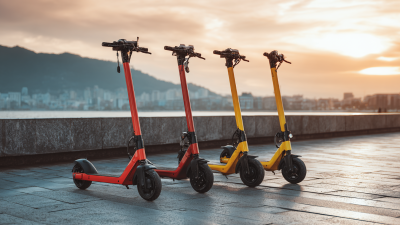
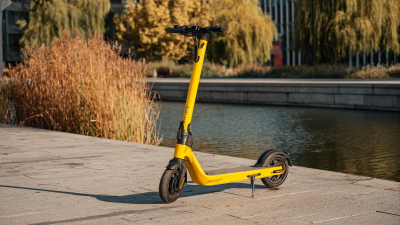
Top Tips for Choosing the Fastest Electric Scooter?
Choosing the fastest electric scooter can be overwhelming. With so many options, where do you start? Jim Parker, a renowned electric scooter expert, emphasizes, "Finding the right balance between speed and safety is key to enjoying your rides."
When looking for an Electric Scooter Fast, consider your own riding style and local regulations. Understanding your needs helps narrow down choices. Speed is exciting, but a safe ride should always come first. Many scooters claim high speeds, but not all deliver a reliable experience.
Read reviews and seek expert advice. Look beyond specs; real-world performance matters. Choose a scooter that fits your lifestyle. Don’t just chase the fastest one—think about comfort, battery life, and ease of use. Some scooters look impressive but may disappoint on the road. Keep in mind, a scooter that seems fast could lack durability. Quality should not be sacrificed for speed alone. Reflect on these details to make a confident decision.
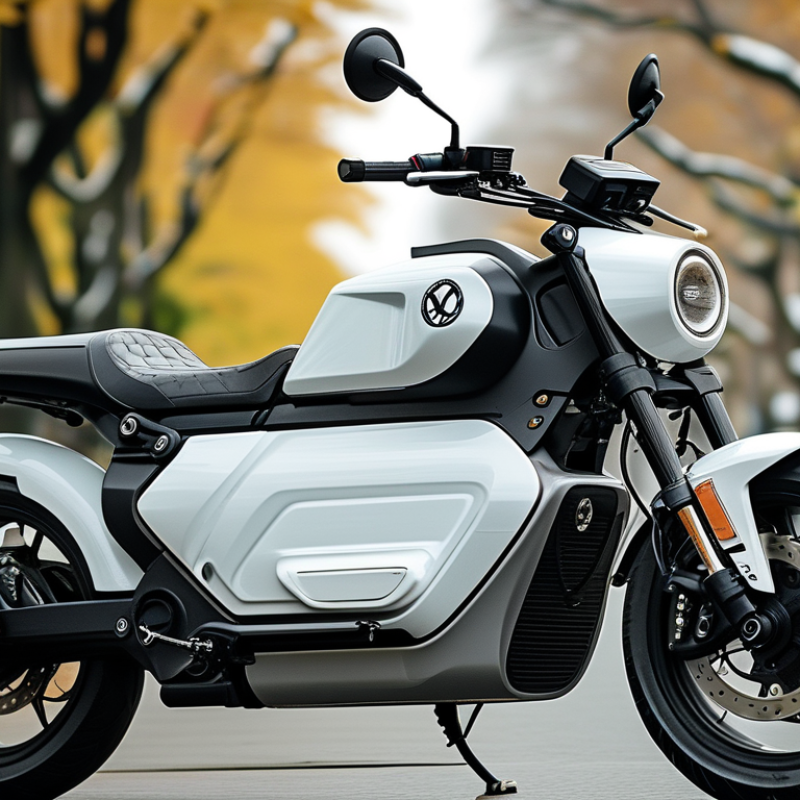
Key Specifications to Evaluate When Selecting an Electric Scooter
When selecting the fastest electric scooter, focus on key specifications that impact performance. Speed is essential, but also look for the scooter's weight, battery capacity, and motor power. A scooter with a powerful motor often accelerates quickly, while battery life determines how far it can go on a single charge.
Battery voltage matters greatly. Higher voltage typically correlates with improved speed and efficiency. For example, a scooter with a 48V battery generally outperforms one with a lower voltage. Also, weight affects how agile and fast the scooter feels. Heavier models may be slower but often provide better stability at high speeds.
Consider safety features as well. Good brakes are crucial, especially at high speeds. Ensure the scooter has reliable braking systems. Additionally, the build quality influences durability and rider confidence. If the scooter feels flimsy, it might not withstand daily use. Balancing speed with safety ensures a better riding experience.
Top Tips for Choosing the Fastest Electric Scooter
This chart presents key specifications to evaluate when selecting an electric scooter, focusing on aspects such as maximum speed, battery range, weight, and charging time. Consider these metrics to make an informed decision for optimal performance and convenience.
Understanding Motor Power and Its Impact on Speed Performance
When choosing a fast electric scooter, understanding motor power is essential. The motor's wattage directly influences speed performance and acceleration. A higher wattage typically results in better performance. For instance, scooters with 250W motors can reach speeds around 15 mph, while models with 500W can urbanize to 20 mph or more. This difference highlights the significance of power in your riding experience.
Pay attention to the torque output as well. A motor that delivers high torque can help you accelerate faster from a stop and tackle inclines more efficiently. Electric scooters often provide specifications for both wattage and torque, giving valuable insights into their capabilities. For example, a 500W motor with 30 Nm of torque can significantly outperform a 250W model in real-world conditions.
Choose a scooter that suits your needs. If you frequently navigate hilly areas, opt for a model with a robust motor. If most of your rides are flat, a less powerful motor may suffice. Always consider your weight too; heavier riders may require more powerful motors for optimal performance. Be realistic about your expectations; higher speed often comes with trade-offs in battery life and control.
Battery Capacity and Range: Balancing Fast Speeds with Longevity
Battery capacity and range are crucial when selecting an electric scooter. A scooter may promise high speeds, but without a solid battery, performance dwindles. A larger battery often means more weight, which can impact portability. Consider your needs carefully. Longer commutes may require a powerful battery, while urban riders might prioritize lightweight options.
Evaluate the trade-offs between speed and longevity. Faster scooters typically draw more energy, affecting their range. You could choose a scooter that reaches quick speeds, but its battery may deplete faster, requiring frequent recharging. Think about how often you will use it and where you will ride.
Real-world factors also influence battery performance. Terrain, rider weight, and even temperature can affect range. For instance, riding uphill drains the battery quicker than riding on flat surfaces. Reflect on your riding habits. A bit of research can help you find the right balance for your lifestyle. Always remember, a fast scooter is not always the best choice if it can’t get you where you need to go efficiently.
Analyzing Weight and Design for Optimal Speed and Maneuverability
When selecting an electric scooter, weight and design play a critical role in determining speed and maneuverability. A study from the Electric Vehicle Association points out that the average weight of high-performance scooters ranges from 25 to 35 pounds. Lighter scooters often accelerate quicker. They make sharp turns easier, giving riders an edge in urban environments. A scooter weighing less than 30 pounds allows riders to navigate through crowded areas with confidence.
The design features also contribute significantly to speed. A narrow frame reduces air resistance, allowing for faster rides. According to the Consumer Electronics Institute, scooters with aerodynamic designs can achieve speeds up to 30% faster compared to bulkier models. However, there can be a trade-off between design and stability. A scooter designed for speed might sacrifice comfort and control. Riders should consider their local terrain and riding style before choosing a model focused purely on speed.
Maneuverability is another aspect connected to design. The handlebar height and wheel size inherently influence how a scooter handles. For instance, scooters with larger wheels tend to absorb shocks better, making them ideal for uneven surfaces. However, they may lose some agility in tight spaces. Balancing these factors can be challenging yet essential for an enjoyable riding experience.
Top Tips for Choosing the Fastest Electric Scooter
| Model |
Weight (kg) |
Top Speed (km/h) |
Range (km) |
Design Type |
Maneuverability Rating |
| Model A |
12 |
25 |
30 |
Compact |
8/10 |
| Model B |
15 |
30 |
40 |
Foldable |
9/10 |
| Model C |
10 |
20 |
25 |
Sporty |
7/10 |
| Model D |
16 |
28 |
35 |
Commuter |
8/10 |
Comparing Tire Types and Their Influence on Speed and Stability
Choosing the right tire type is crucial for maximizing speed and stability in electric scooters.
Solid tires are puncture-proof and provide durability. However, they often absorb less shock. This can lead to less stability on uneven surfaces. Air-filled tires, on the other hand, can offer better cushioning. They adapt more effectively to bumps in the road, providing a smoother ride. Consider the terrain you will ride on before making a decision.
For optimal performance, check the tire pressure regularly. Properly inflated tires can significantly enhance speed and control. Flat tires slow you down and increase the risk of losing balance. Understand the trade-offs between comfort and swift rides.
Some riders prefer the speed of solid tires. Others lean towards the comfort of air-filled options. Assess your riding style honestly.
Selecting the right tire should factor in your riding environment. Heavy-duty tires may be slower on smooth surfaces but excel off-road. Tight turns may be tricky with broader tires. Experiment with different types to find what suits your needs. Comprehensive research will lead you to the best tire choice for your scooter.