Why Are Electric Scooters So Fast and Popular Worldwide?
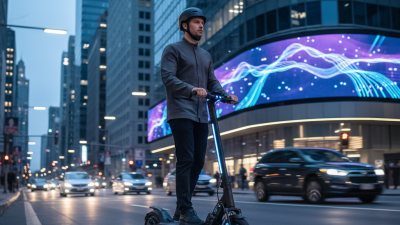
Electric scooters have surged in popularity across the globe. Their agile design and faster speeds make them a thrilling choice for urban commuters. The electric scooter fast appeal lies in convenience and efficiency. They serve as a bridge between walking and driving.
Many cities have seen a rise in electric scooters on their streets. Riders enjoy the freedom to zip through traffic without the hassle of parking. This blend of speed and practicality attracts diverse users. From students to professionals, electric scooters cater to various needs. However, safety concerns persist. High speeds can lead to accidents and injuries. Cities must adapt to this new mode of transport with better regulations.
Ultimately, the popularity of electric scooters reflects a shift in urban mobility. They offer a sustainable alternative that many find appealing. As technology advances, we can expect even faster models. Balancing speed and safety remains a challenge. Urban planners must think critically about how to integrate electric scooters effectively into city life.
Factors Contributing to the Speed of Electric Scooters
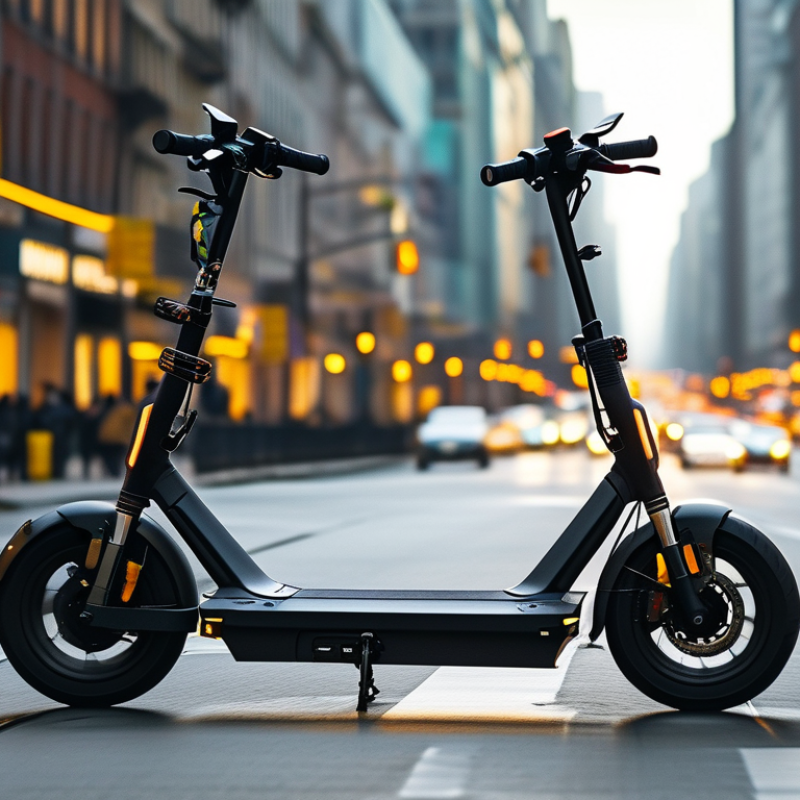
Electric scooters have surged in popularity around the world. This trend is driven by various factors that impact their speed and performance. One key element is the advancements in battery technology. Lithium-ion batteries, for example, now offer higher energy densities. Recent reports indicate that the latest models can reach speeds of up to 30 mph. This speed appeals particularly to urban commuters.
Another significant factor lies in the design and materials used in electric scooters. Many models are now built with lightweight composites. This innovation not only enhances speed but also improves maneuverability. According to market analysis, the average weight of a scooter affects its acceleration. Scooters weighing under 30 pounds can accelerate faster than heavier counterparts. This is an essential consideration for users seeking efficiency.
The growing trend of micromobility also plays a role. City infrastructures are evolving to accommodate these vehicles. However, the lack of consistent regulations can lead to safety concerns. Ride-sharing services, while popular, sometimes overlook maintenance standards. It’s vital for future developments to address these shortcomings. The ongoing dialogue about safety and speed remains complex but crucial for the industry’s growth.
The Rise of Electric Scooters in Urban Transportation Systems
Electric scooters are transforming urban transportation systems worldwide. They provide a fast, efficient option for commuting. In cities, time is precious, and scooters help people navigate through traffic and crowded streets. Commuters can cover a mile in just a few minutes. This speed is appealing, especially in densely populated areas.
The surge in scooter popularity is also linked to environmental awareness. People seek greener alternatives to cars. Electric scooters produce zero emissions during use. Users feel they are contributing to cleaner air. However, the influx of scooters raises concerns. Sidewalk congestion and safety issues are common complaints. Cities struggle to create effective regulations to manage these vehicles.
Accessibility is another factor. Many urban dwellers find scooters easy to use and affordable. They offer a flexible choice for short trips. Still, the lack of infrastructure could hinder their growth. More bike lanes and proper parking spaces are needed. Ultimately, cities must adapt to this new transit trend. Electric scooters are here to stay, but their integration requires careful planning.
Technological Innovations Enhancing Scooter Performance
Electric scooters have seen a surge in popularity due to significant technological advancements. Recent reports indicate that the global electric scooter market has grown at a compound annual growth rate of over 7%. Innovations in battery technology are key drivers. Many manufacturers now utilize lithium-ion batteries. These batteries not only increase efficiency but also reduce charging times dramatically.
Performance enhancements don’t stop at batteries. Upgraded electric motors offer improved acceleration and speed. Some models reach speeds exceeding 28 mph. This is appealing to urban commuters looking for quick, convenient transport. Regenerative braking systems are also becoming common, allowing scooters to capture energy normally lost. This makes rides more efficient and extends battery life.
However, challenges remain. The rapid growth of scooter sales has led to safety concerns. Many users are still unfamiliar with safe riding practices. Inadequate infrastructure in some cities poses risks for riders. As scooter designs improve, the need for better regulations and educational resources becomes increasingly important.
Environmental Benefits Driving Popularity of Electric Scooters
Electric scooters are quickly becoming a popular mode of transportation around the world. Their rise can be attributed to the many environmental benefits they offer. They produce zero emissions at the point of use, significantly reducing urban air pollution. This is crucial as cities face increasing challenges from smog and greenhouse gases.
Moreover, electric scooters often require less energy to operate compared to cars or buses. They are efficient and can help decrease our reliance on fossil fuels. As a compact solution, they also ease traffic congestion, making cities more livable. Many users report that riding an electric scooter is an enjoyable and liberating experience.
**Tips:** Always wear a helmet while riding for safety. Check local regulations before using electric scooters. Consider parking them properly to avoid inconveniencing pedestrians. Reflect on your individual travel habits. Are there short trips you can make while using a scooter instead of a car? Making these small changes can contribute greatly to a healthier environment.
Regulatory Challenges and Safety Considerations for Users
Electric scooters have surged in popularity around the globe. However, safety and regulatory issues are critical. Many cities have implemented rules to manage their use. Riders often overlook these rules, leading to unsafe situations. This oversight can result in accidents and injuries.
Adhering to local regulations is essential for users. In some regions, there are limits on speed and designated riding areas. Ignoring these can lead to fines and increased risks. Additionally, wearing helmets and protective gear can significantly reduce injury severity in case of falls.
Users should also consider the maintenance of their scooters. Regular checks can prevent mechanical failures that may lead to accidents. While electric scooters are convenient, users must remain vigilant. They should reflect on their riding habits and prioritize safety. Awareness of surroundings helps in navigating busy streets effectively.
Electric Scooter Popularity and Speed Factors Worldwide