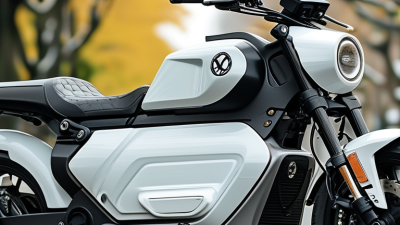
China has become a major manufacturing base for Electric Scooters For Kids, offering varied designs, battery options, and price levels. However, choosing a dependable supplier requires more than comparing product photos. Real quality appears in factory communication, sample testing, material records, and after-sales support.
This guide introduces leading Chinese suppliers and explains how buyers can assess them with practical criteria. We consider manufacturing experience, production capacity, quality-control procedures, customization ability, and export communication. A reliable supplier should provide clear specifications, realistic delivery schedules, and traceable inspection documents. Details matter, such as brake response, handlebar stability, deck grip, charger quality, and speed-control settings. A scooter may look attractive in a catalog. It may perform differently on a real driveway.
Safety claims should be checked carefully. Buyers should request applicable test reports, battery information, user-age guidance, and product instructions before placing large orders. Independent sample testing can reveal loose wiring, weak folding parts, or inconsistent battery performance. Supplier rankings also need caution, because “top” can mean different things for retailers, distributors, and private-label brands. No single factory suits every market. That is worth remembering. This overview combines supplier research with practical purchasing experience, while recognizing that public information can change. Readers should verify current certifications, factory details, and commercial terms directly. The strongest partnership usually develops through transparent questions, small trial orders, and steady performance—not impressive promises alone.
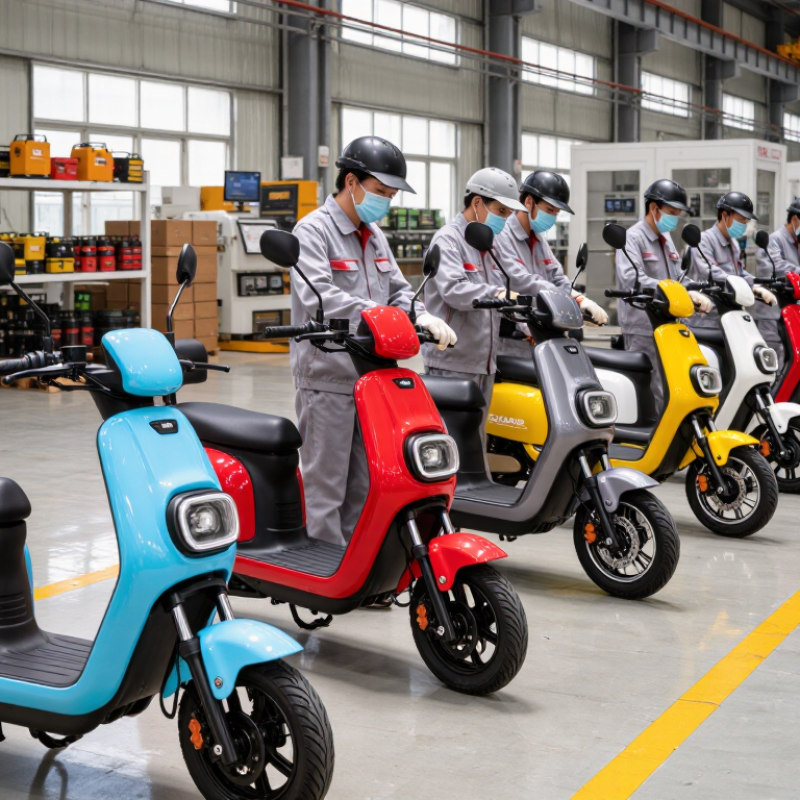
China’s electric scooter market for kids is expanding with the wider micromobility sector. Grand View Research estimated the global electric scooter market at about US$33.8 billion in 2022. The report also projected a 9.9% compound annual growth rate from 2023 to 2030. This figure covers all users, not only children. That distinction matters.
Chinese suppliers commonly offer adjustable handlebars, speed-control modes, reinforced decks, and compact lithium battery systems. Buyers should inspect battery traceability, charger protection, braking distance, and frame weld quality. A useful factory audit includes production records, sample testing, and a review of failure rates. Ask for test reports that match the destination market. Standards may differ across regions.
The U.S. Consumer Product Safety Commission reports that micromobility injuries have increased sharply in recent years. Its 2023 report recorded more than 230,000 emergency-department-treated injuries involving e-scooters, e-bikes, and hoverboards from 2017 through 2022. The data is not specific to children or China, but it highlights real operating risks. Speed limits, protective equipment, and clear age guidance should shape product design.
Supplier selection should also consider spare parts, battery replacement procedures, packaging strength, and after-sales response. Factory photos are not enough. Independent inspections are better. Some supplier listings look impressive, yet quality can vary between samples and mass production. That uncomfortable gap deserves attention.
Reliable kids’ electric scooter suppliers provide more than attractive samples. They show test reports, factory records, and clear product traceability. The U.S. Consumer Product Safety Commission’s 2023 Micromobility Products report recorded 233 deaths and an estimated 360,800 emergency department injuries from 2017 to 2022. This evidence makes battery safety, braking, and speed control essential. A dependable supplier should explain motor limits, charging protection, battery cells, waterproofing, and emergency shutdown procedures. Details matter. Supplier experience also appears in practical design, such as rounded edges, stable decks, adjustable handlebars, and easy-to-read manuals.
Quality control should cover every production stage, not only the final inspection. Ask for sample test records, incoming material checks, charger verification, and batch-level traceability. Suppliers should follow applicable safety requirements in the target market and update documents when standards change. A 2024 International Energy Agency report showed continued global growth in electric mobility, but market growth does not guarantee children’s product quality. That gap deserves attention. The cheapest quotation may hide weaker batteries or limited spare parts support.
Tips: Request an independent pre-shipment inspection and test one scooter after repeated charging. Check brake response, folding points, wheel alignment, and charging temperature. Ask how defective units are handled. Also confirm replacement batteries and controllers remain available. No supplier is perfect. A transparent supplier admits limitations, records corrective actions, and welcomes reasonable factory audits. That honesty is often more valuable than polished sales language.
When comparing Chinese electric scooter suppliers for children, inspect evidence, not polished catalogs. The U.S. Consumer Product Safety Commission estimated 360,800 micromobility-related injuries from 2017 to 2023. That figure makes supplier screening a safety decision, not merely a price negotiation.
Ask for independent test reports covering the exact model, battery, charger, and production version. Check applicable requirements, such as ASTM toy and scooter standards, EN 71, EN 62115, or IEC 62133-2. These standards address different risks. A certificate logo alone proves little. Verify the laboratory’s accreditation and certificate scope.
Require UN 38.3 transport testing for lithium batteries. Review braking distance, speed limits, steering strength, waterproofing, wiring insulation, and battery thermal protection. Inspect samples from mass production, not only promotional samples.
A factory audit should examine incoming battery cells, torque records, charger matching, and final functional tests. Ask for defect rates and corrective-action records. Good suppliers can explain failures without hiding them.
The European Commission’s Safety Gate system continues to show that electrical products remain a recurring category of safety alerts. Small details matter, including exposed pinch points and loose throttle springs. One clean sample can mislead.
I would also test several units after vibration, repeated charging, and cold storage. This costs more, but children notice weak brakes before procurement teams do. Certification is a starting point, not proof of reliable daily use.
China Top Electric Scooters For Kids Suppliers?
When comparing Chinese suppliers, customization should begin with the child’s use case, not just color choices. Reliable factories can adjust deck dimensions, handlebar height, speed limits, battery capacity, and packaging. Ask for engineering drawings before approving a sample. Small changes can affect stability, charging time, and production cost. Custom logos are simple. Custom battery systems are not.
Pricing usually depends on order volume, component quality, testing requirements, and packaging design. A low quotation may exclude molds, spare parts, inspection fees, or shipping preparation. Request a detailed cost sheet. Compare the same specifications across several suppliers. For example, check motor power, battery chemistry, charger output, wheel material, and included safety features. The cheapest offer often changes later.
Production capacity requires practical verification. Ask for monthly output, current factory loading, lead times, and backup component sources. Request recent sample records and quality inspection procedures. A supplier may claim high capacity but lack enough assembly workers during peak seasons. I have found that production promises can look stronger than actual scheduling. That gap matters. A pilot order can reveal packing errors, inconsistent braking, or delayed replacements. Review third-party test documents and factory videos carefully, but do not treat either as complete proof. Clear communication, traceable records, and realistic delivery commitments provide stronger evidence than impressive catalogs.
Comparison of common OEM/ODM supplier evaluation dimensions, using normalized industry benchmark scores rather than company-specific data.
Customization flexibility and production capacity are critical for private-label buyers, while pricing competitiveness and development speed often determine the overall sourcing decision. Actual results vary according to product specifications, order volume, battery requirements, certifications, and packaging design.
Choosing a reliable supplier starts with evidence, not attractive catalog photos. Ask for the business license, factory address, production capacity, and recent export experience. A polished website proves little. Request a live video tour showing assembly lines, battery storage, quality checkpoints, and packaging areas. My first shortlist was too broad, because I trusted product variety more than process control.
Check whether the supplier understands child-focused safety requirements in your target market. Discuss speed limits, braking distance, frame strength, charging protection, waterproofing, and suitable age ranges. Ask for independent test reports and certificates that match the exact scooter model. Do not accept documents for a similar product. Order samples from different production batches when possible. Test steering, folding parts, tires, noise, and charger temperature.
Communication is another practical test. Send a detailed specification sheet with measurements, materials, colors, packaging, and warning labels. Compare how clearly each supplier answers technical questions. Confirm inspection procedures, replacement policies, lead times, payment terms, and shipping responsibilities in writing. Factory visits can reveal useful details, although one visit cannot guarantee every future batch. I would also use a pre-shipment inspection. It adds cost, but missing defects may cost more. Ask the supplier to explain weaknesses, not only strengths. Reliable cooperation often begins with an uncomfortable answer.