2026 Top Electric Scooter Trends for Global Buyers?
As we look ahead to 2026, the Electric Scooter industry reveals intriguing trends that global buyers should consider. Research from the International Energy Agency indicates that electric scooter sales will see a significant growth rate of over 25% annually. This surge stems from a heightened demand for sustainable urban mobility solutions. Industry experts, such as Dr. Emily Chen, state, “The future of transportation lies in electric scooters, providing efficient and eco-friendly options for city dwellers.”
Increasing urban congestion drives many to seek alternatives to traditional vehicles. Electric scooters offer a practical solution, reducing carbon footprints while promoting convenience. With advancements in battery technology, these vehicles are becoming more accessible. However, challenges remain, such as the need for safer infrastructure and regulations that can accommodate diverse scooter models.
While the promise of this industry is bright, potential buyers should be aware of the varying quality and service support available. Some manufacturers still struggle with production consistency. Overall, understanding these dynamics will help consumers make informed choices as they navigate the evolving landscape of electric scooters.
Emerging Electric Scooter Technologies for 2026 Global Markets
As we approach 2026, the electric scooter market is set for a significant transformation. A recent report from the International Energy Agency estimates that global electric scooter sales could reach over 50 million units by 2026, driven by urbanization and the push for sustainable transportation. This surge hints at emerging technologies that promise to reshape user experience and vehicle performance.
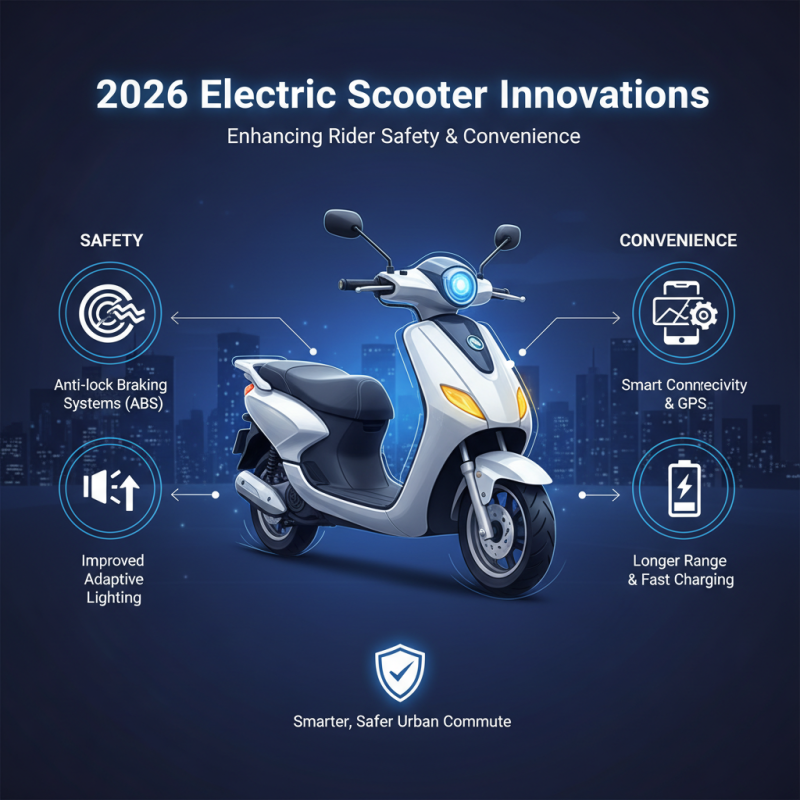
One key trend is the integration of advanced battery technologies. Solid-state batteries are emerging as a game-changer, offering higher energy densities. They can potentially double the range of electric scooters compared to current lithium-ion batteries. This innovation, while still under development, could lead to longer-lasting performance and quicker charge times—an attractive feature for urban commuters with limited access to charging stations.
Additionally, smart connectivity is expected to become standard in many models. Features like GPS tracking and mobile app integration enhance user safety and efficiency. However, these technologies come with challenges. Cybersecurity risks in connected devices can raise concerns among consumers. Addressing these vulnerabilities will be crucial for manufacturers looking to gain market trust as they implement new features.
Sustainability Trends Influencing Electric Scooter Design and Manufacturing
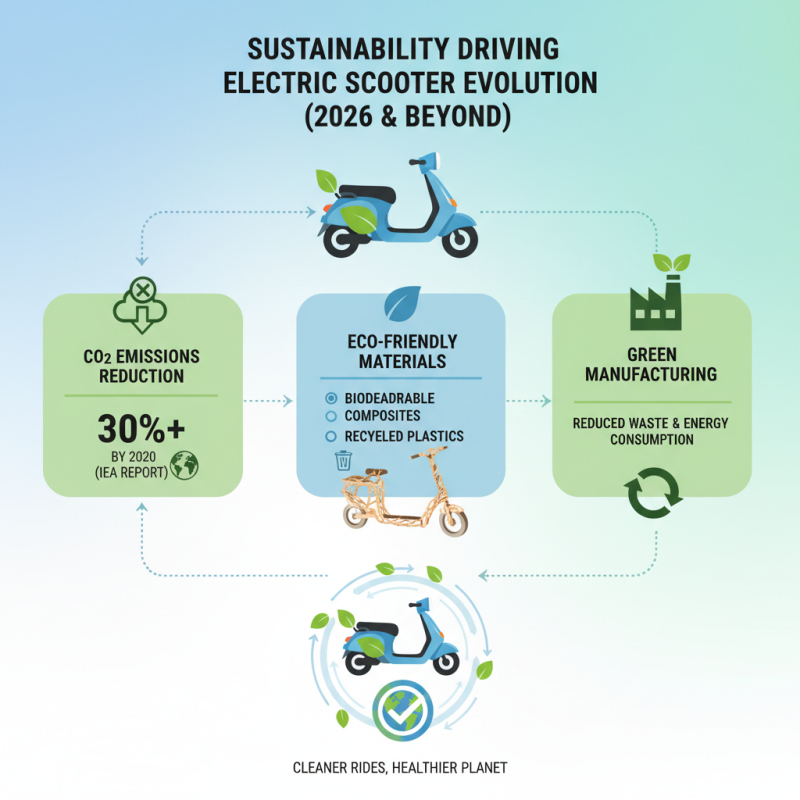
As we look towards 2026, sustainability significantly shapes electric scooter design and manufacturing. A report from the International Energy Agency states that the electric mobility sector could reduce CO2 emissions by over 30% by 2030. This shift reflects a growing awareness of climate change, driving manufacturers to adopt eco-friendly materials and production processes. For example, many companies are exploring biodegradable composites and recycled plastics for scooter bodies.
User preferences are evolving, with many buyers seeking energy-efficient options. In 2022, a study indicated that 55% of consumers prioritize sustainability in their purchasing decisions. This trend encourages manufacturers to emphasize eco-conscious features, like regenerative braking systems and long-lasting batteries. However, challenges remain. Not all manufacturers fully embrace these practices, and some still rely on unsustainable materials. This inconsistency raises questions about industry commitment to sustainability goals.
Additionally, governments worldwide are imposing stricter regulations on emissions, pushing for cleaner options. The European Union's Green Deal, for instance, aims for a 55% reduction in emissions by 2030. Adapting to these mandates can be difficult for some companies, as the balance between cost, performance, and sustainability is delicate. The path to a cleaner future for electric scooters is promising yet complex, necessitating continuous improvement and innovation.
Consumer Preferences Shaping the Future of Electric Scooters
Consumer preferences play a vital role in shaping the electric scooter market. As global buyers seek more efficient and eco-friendly transport, electric scooters are gaining prominence. Riders now prioritize features like battery life, speed, and durability. Users want scooters that can comfortably carry them and their belongings. Compact designs that easily fit into urban lifestyles are appealing.
Design also matters. Many consumers prefer scooters with customizable colors and patterns. This personal touch makes ownership more enjoyable. Safety features like better brakes and lights are non-negotiable for many buyers. Smart technology integration, such as GPS tracking, is increasingly demanded. These advancements enhance user convenience and safety.
However, challenges remain. Some riders express concerns about the price point of quality electric scooters. A balance between performance and affordability is crucial. Additionally, urban infrastructures must adapt to accommodate this growing trend. Without proper regulations and charging stations, growth may stall. It's essential for manufacturers to listen closely to consumers and continuously adapt to their needs.
2026 Top Electric Scooter Trends for Global Buyers
| Trend |
Consumer Preference (%) |
Key Features |
Target Demographic |
| Eco-friendly Materials |
65% |
Recyclable parts, sustainable sourcing |
Environmentally conscious consumers |
| Extended Battery Life |
72% |
Long-lasting, fast charging options |
Commuters and daily users |
| Smart Technology Integration |
58% |
Mobile app connectivity, GPS tracking |
Tech-savvy riders |
| Customizable Designs |
50% |
Color options, accessories |
Young adults and teens |
| Improved Safety Features |
67% |
Enhanced braking systems, lights |
All riders, especially in urban areas |
Global Regulatory Changes Affecting Electric Scooter Sales and Usage
The electric scooter market is experiencing significant shifts due to global regulatory changes. Governments are implementing stricter guidelines, impacting sales and usage. According to a recent report from McKinsey, it is expected that regulatory frameworks will evolve to encourage safe riding and environmental sustainability. Countries are exploring various policies, from speed limits to mandatory helmet laws, which aim to protect users and pedestrians.
As regulations tighten, manufacturers must adapt. This means redesigning scooters to comply with new safety standards. The International Transport Forum found that cities with stringent regulations see a 25% decrease in accidents. Buyers should stay informed about local laws to avoid penalties and ensure they operate their scooters safely.
**Tip:** Before purchasing an electric scooter, check your local regulations. Understanding speed limits and usage areas can help prevent fines.
Investors and users alike must remain aware of these evolving trends. Compliance may increase production costs. This could affect pricing strategies and availability. Consumers should be prepared for potential price fluctuations as companies navigate these regulatory environments.
**Tip:** Look for scooters that meet or exceed safety standards within your area. Investing in a reliable model can provide peace of mind while riding.
2026 Electric Scooter Trends: Global Regulatory Changes Impact