Top Electric Scooters for Adults in 2026
Choosing among the top electric scooters for adults in 2026 means looking beyond advertised speed and sleek product photos. The right choice depends on where you ride, how far you travel, and whether you must carry the scooter upstairs. A model that feels steady on a smooth bike path may behave differently on cracked pavement or in wet weather. Real roads differ.
This guide compares practical features that shape everyday ownership: usable range, braking performance, tire design, lighting, weight, charging time, and warranty support. Published range figures are useful starting points, not guarantees; rider weight, hills, temperature, and riding style can change results. Details matter. We also consider how easily each scooter folds, whether its controls are clear, and how much space it takes beside a desk or in a car trunk.
People searching for “Scooter Electric Adult” options may have very different priorities. One commuter may value a manageable frame and dependable lights, while another may need extra range or a more comfortable ride over rough surfaces. There is no single best scooter for everyone. A higher price does not automatically mean a better fit, and a low weight can involve trade-offs in comfort or ride stability. Specifications can look convincing on paper. Checking independent test methods, manufacturer guidance, and local service availability helps put those numbers in context. This overview aims to make the comparisons clearer, while recognizing that real-world performance can still vary.
How Adult Electric Scooters Work and Where They Fit
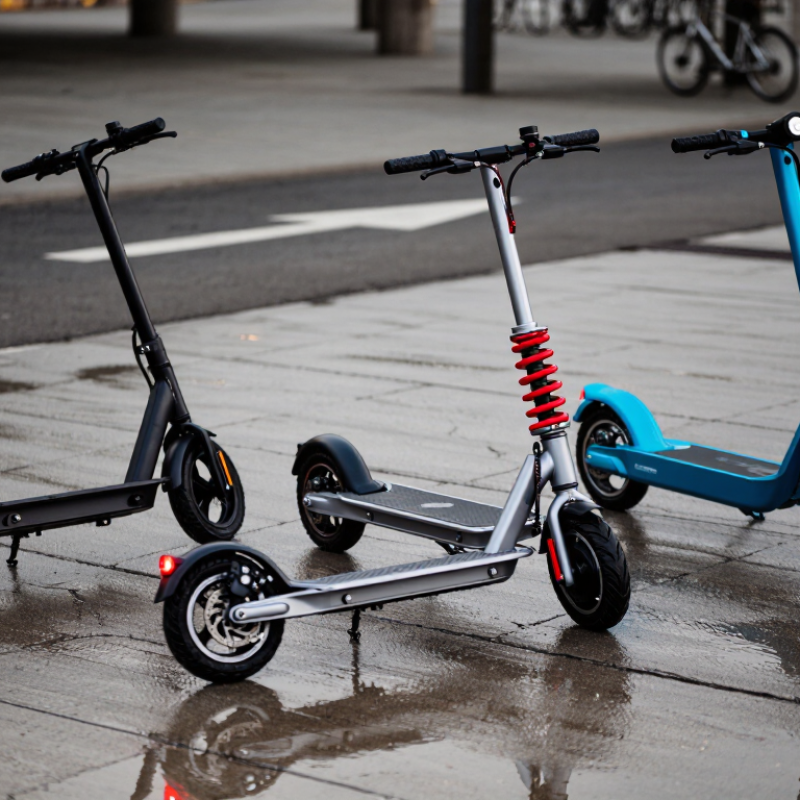
An adult electric scooter uses a battery, controller, throttle, and motor to turn a small input into forward motion. On many models, a hub motor sits inside one wheel. Pressing the throttle signals the controller to draw power from the battery. The motor then helps spin the wheel. Brakes slow the scooter, while the display may show speed and remaining charge. Simple in principle. Less simple on a steep hill.
Scooters often fit short commutes, campus trips, and the gap between a transit stop and an office. They take up less storage space than a bicycle, but rough pavement can make small wheels feel harsh. Before a ride, check tire pressure, brake response, and the folding latch. A loose latch is not a minor annoyance. Range estimates deserve some skepticism, too: cold weather, hills, rider weight, and frequent stops can reduce distance. Even a careful estimate can miss. Small trade-offs count. Carrying a charger helps only if there is a safe, convenient place to plug it in. For longer trips or uneven routes, a scooter may feel less practical than it looks in a product photo.
Top Electric Scooters for Adults in 2026: Estimated Range by Battery Size
This planning estimate uses a simplified energy consumption assumption of 20 watt-hours per mile:
a 400 Wh battery provides about 20 miles, a 600 Wh battery about 30 miles, and an 800 Wh battery
about 40 miles. Actual range varies with rider weight, speed, hills, temperature, tire pressure,
and stop-and-go riding.
Key Criteria for Comparing Adult Electric Scooters
Choosing an adult electric scooter means matching its specifications to your actual route. NACTO’s 2023 Shared Micromobility Report recorded 133 million shared micromobility trips in the United States. That figure describes shared trips, not private-scooter performance, but it shows how heavily urban scooters can be used. Compare claimed range with your daily distance, then leave a reserve for hills, cold weather, and a heavier load. A steep block near home matters more than a glossy top-speed figure.
Check braking, tires, deck space, weight, and charging safety together. A wet painted crossing can expose weak grip; small solid tires may also feel harsh on broken pavement. CPSC’s micromobility safety guidance highlights battery fire hazards and points consumers toward applicable safety standards, including UL 2272 for personal e-scooters. Verify certification for the exact model, rather than assuming every battery or charger is covered. Details matter. Also weigh the scooter you must carry up stairs, not just its advertised frame weight. One imperfect but useful test: read owner feedback for repeated complaints about brakes, range, or loose parts, while remembering that reviews are not controlled tests.
Top Electric Scooters for Adults in 2026 - Key Criteria for Comparing Adult Electric Scooters
Compare scooter types by your commute, route, and carrying needs. The figures below are indicative ranges for adult models, not specifications for any particular product; actual performance varies with rider weight, terrain, temperature, speed, and battery condition.
| Scooter Type |
Typical Advertised Range |
Typical Motor Output |
Approx. Weight |
Best Suited For |
Key Trade-Off |
| Compact commuter |
About 10–20 mi (16–32 km) |
About 250–500 W nominal |
About 25–40 lb (11–18 kg) |
Short urban trips and riders who need to carry or store a scooter |
Lower weight often means a smaller battery and less range reserve |
| Everyday commuter |
About 15–30 mi (24–48 km) |
About 350–700 W nominal |
About 35–55 lb (16–25 kg) |
Regular commutes on paved streets and paths |
A useful balance of range, portability, and cost, but not always easy to carry upstairs |
| Long-range commuter |
About 25–50 mi (40–80 km) |
About 500–1,000 W nominal |
About 45–75 lb (20–34 kg) |
Longer daily routes or fewer opportunities to recharge |
Larger batteries generally add weight, charging time, and cost |
| Comfort-focused model |
About 15–35 mi (24–56 km) |
About 350–800 W nominal |
About 40–65 lb (18–29 kg) |
Routes with rough pavement where a wider deck, larger tires, or suspension may help |
Comfort features can increase weight and maintenance needs |
| Higher-power model |
About 20–45 mi (32–72 km) |
About 800–2,000 W nominal, often with dual motors |
About 55–100 lb (25–45 kg) |
Steeper routes or riders prioritizing acceleration and climbing ability |
Often heavier and more expensive; maximum speed may exceed local legal limits |
Key Criteria to Check Before Buying
| Criterion |
What to Compare |
Practical Guidance |
| Real-world range |
Battery capacity in Wh, test conditions, and the maker's range estimate |
Treat advertised range as an estimate. Hills, cold weather, higher speeds, and heavier loads can reduce distance per charge. |
| Speed and local rules |
Maximum speed, selectable riding modes, and applicable local regulations |
Many adult models are designed for roughly 15–25 mph (24–40 km/h), but legal limits and where scooters may be ridden vary by location. |
| Braking and visibility |
Brake type, front and rear lighting, reflectors, and brake-light visibility |
Check that brakes are easy to control and that lights make the scooter visible in the conditions in which you ride. |
| Tires and ride comfort |
Tire diameter, pneumatic or solid construction, suspension, and replacement availability |
Larger pneumatic tires can absorb some bumps but require pressure checks and can puncture; solid tires avoid punctures but may feel harsher. |
| Portability and fit |
Scooter weight, folded dimensions, handlebar height, deck space, and rated rider load |
Check the folded size against your storage space and consider whether you can safely lift the scooter when needed. |
| Charging and battery care |
Charging time, battery removability, charger availability, and care instructions |
Confirm that you have a convenient, dry place to charge and follow the manufacturer's battery and charging guidance. |
| Water resistance |
Published ingress-protection rating and the conditions covered by the warranty |
A water-resistance rating is not the same as waterproofing. Avoid deep water and check the product's specific limits. |
| Service and ownership cost |
Warranty terms, repair support, replacement parts, and tire or brake maintenance |
Compare the availability and cost of routine parts as well as the purchase price. |
Note: Motor ratings, range estimates, speed limits, and equipment requirements are not standardized across all markets. Verify current local rules and the exact specifications and safety guidance for the scooter you are considering.
Leading Electric Scooter Categories for Adults in 2026
Leading Electric Scooter Categories for Adults in 2026
Adult scooters suit different trips, not one “best” use case. Commuter models prioritize stable handling, visible lights, and practical range for repeated weekday rides. Compact folding models fit train platforms and small apartment corners, though smaller wheels can feel less forgiving on rough pavement. Long-range models may suit longer routes, while wider tires and stronger suspension help on uneven paths. More weight, however, can make stairs a daily nuisance.
Demand is real, but shared-use figures need careful reading. NACTO’s 2023 Shared Micromobility Report recorded 133 million trips across shared bikes and scooters in the United States and Canada. That total signals regular use, not proof that every adult needs a high-powered scooter. For personal buying, compare claimed range with your route, rider weight, hills, and cold-weather needs; advertised range may not match a windy commute. I would treat range as an estimate, not a promise.
Tips:
Check the folded dimensions beside your doorway, and test braking on a quiet, dry surface. Look for clear battery and water-resistance specifications, plus readily available replacement tires. A comfortable handlebar height matters more than it seems.
How to Match a Scooter to Your Riding Needs
Choosing an electric scooter starts with an honest picture of your rides. Measure your usual route, including hills, rough pavement, and the trip back. A short, flat commute may suit a lighter scooter with modest range. Longer rides call for more battery capacity, but advertised range can shrink in cold weather, at higher speeds, or under heavier loads. Range claims are easy to misread. Leave a useful margin rather than planning to arrive with almost no charge.
Think about where the scooter will wait, too. If you carry it up stairs or onto transit, its weight and folded shape matter every day. Larger tires and effective suspension can make cracked sidewalks less jarring, while dependable brakes are essential in crowded streets. Check the maximum load and charging time against your routine. Try the controls and braking in a safe, open area before relying on them in traffic. Small details count. Handlebar reach, deck space, and lighting can feel minor in a shop, then become obvious after several miles. I’d give comfort more weight than a flashy top-speed figure; that judgment can vary with the route, and it is easy to overlook.
Safety, Maintenance, and Ownership Considerations
Adult scooter ownership depends less on top speed than on reliable braking, stable tires, and a battery you can charge safely.
The U.S. Consumer Product Safety Commission reported that estimated emergency-department-treated injuries involving micromobility products rose 127% from 2017 to 2021. That category includes e-scooters, e-bikes, and other devices—not scooters alone—but the trend makes routine safety checks hard to dismiss.
Wear a properly fitted helmet, use lights after dark, and slow down on wet pavement. Small wheels can feel unforgiving around potholes and curb edges.
Maintenance is simple, but it is easy to postpone.
Before riding, squeeze both brakes and check for soft tires, loose fasteners, or a wobbling folding latch. Follow the manual for tire pressure and service intervals; they vary by model. After rain, dry the scooter and allow brakes to recover before riding at speed.
Battery care matters too: use the specified charger, charge on a clear, hard surface, and stop using a battery that looks swollen or damaged. A checklist helps, though it cannot replace repairs by a qualified technician.
Tips:
Keep a small pump and light in your bag. Charge while you are awake and nearby, not beside an exit. If a new rattle appears, pause and inspect it; guessing is not maintenance.