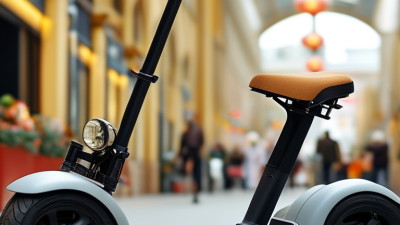
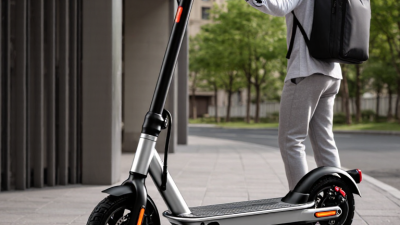
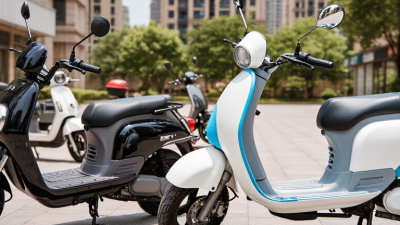
Three-wheel electric scooters are not one product category. They range from compact standing models to seated mobility scooters and cargo-focused trikes. The third wheel can add stability at low speeds, but it also changes turning behavior, storage needs, and the space required on a sidewalk or in a garage. Small details matter: a wide seat may help on longer trips, while a bulky rear basket can make tight turns harder.
Market figures offer context, not a precise count of three-wheel models. Grand View Research valued the global electric scooter market at USD 37.07 billion in 2023 and projected a 9.8% compound annual growth rate from 2024 to 2030. That broad category includes products beyond three-wheel scooters, so the figure should not be read as a market estimate for them alone. Horace Dediu, a mobility analyst known for his work on micromobility, provides a useful lens: micromobility is best understood through the short trips and everyday needs it serves. This is a paraphrase, not a verified direct quotation.
This guide compares the main types by rider, setting, and practical trade-offs. It looks at mobility scooters for seated comfort, standing trikes for compact urban journeys, and utility or cargo models for carrying everyday loads. No design suits everyone. A stable ride can still feel awkward in a narrow doorway, and a larger battery adds weight. The right choice depends on where the scooter will go, who will ride it, and what it must carry.
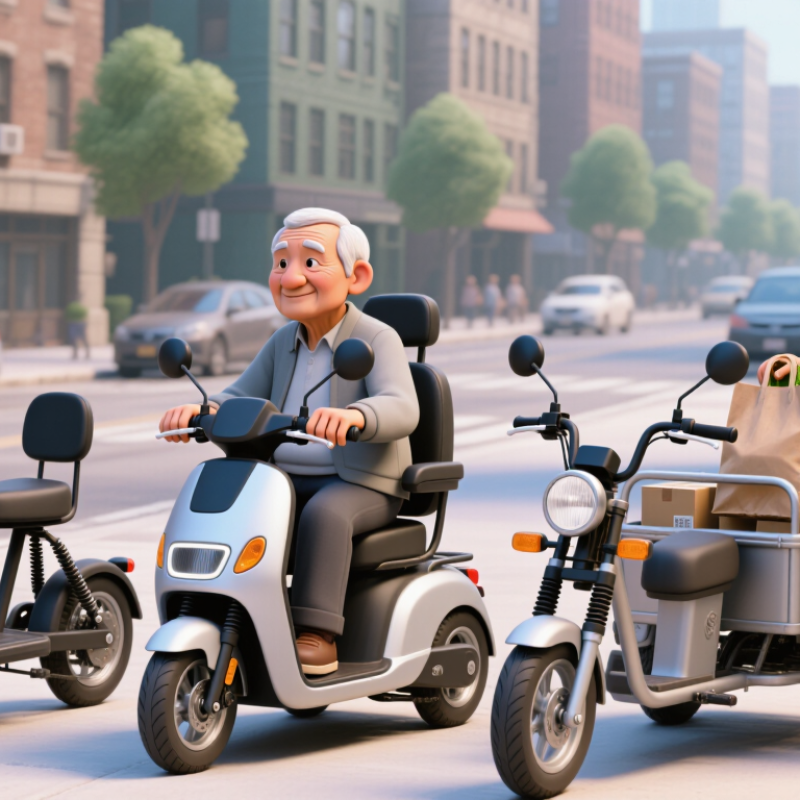
Three-wheel electric scooters are best classified by intended setting, chassis size, and control layout—not wheel count alone. EN 12184 offers a useful technical framework for powered wheelchairs and scooters: Class A models suit indoor use, Class B models handle indoor and outdoor settings, and Class C models are designed for outdoor travel. These classes describe intended capability, not a promise that every surface will feel safe.
In practical terms, compact travel scooters favor lighter frames and tighter turns; mid-size models balance indoor maneuverability with outdoor stability; larger models prioritize longer trips and uneven paths. Check turning radius, ground clearance, seat width, and battery range against real routes, such as a narrow hallway or a sloped driveway. Still, labels can mislead. Three wheels may turn neatly, but they do not automatically make a scooter stable on every incline. The WHO and UNICEF’s 2022 Global Report on Assistive Technology estimates that 2.5 billion people need one or more assistive products, while nearly one billion lack access. That broad figure is not scooter-specific, but it underlines why fit and usability matter: the right category depends on the rider’s environment, strength, and daily distances.
A three-wheel mobility scooter is a battery-powered, seated device that helps people with limited walking ability travel more independently. Most models have one front steering wheel, two rear wheels, a tiller, and hand controls for speed and braking. Riders steer with the tiller while seated. These scooters generally suit people who can sit upright and transfer safely, though individual needs vary. Fit matters. Seat height, legroom, handle reach, and turning space can shape daily comfort more than appearance.
Three-wheel models often turn more sharply than comparable four-wheel scooters, helping in narrow hallways or crowded shops. But a smaller turning circle does not guarantee better control on slopes, gravel, or uneven pavement. A narrower stance may feel less reassuring during sharp turns; the effect depends on design, load, and rider balance. The World Health Organization and UNICEF’s 2022 Global Report on Assistive Technology estimates that more than 2.5 billion people need at least one assistive product worldwide. The report does not count scooters alone, but highlights the scale of mobility-support needs. Not every route works. A doorway may be wide enough, while its threshold still catches a small front wheel. Check the user manual and consider asking a rehabilitation professional to assess transfers and everyday routes.
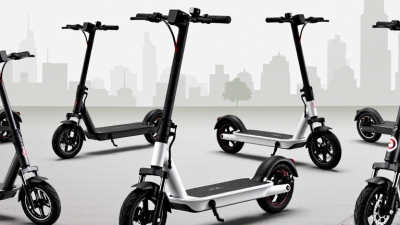
A three-wheel commuter scooter is an electric ride designed for regular trips on streets, paths, or campus routes. It typically has a standing deck or seat, handlebars, a rechargeable battery, and two wheels at one end. Some models place the paired wheels in front; others place them at the rear. That layout changes how steering feels. The label can be a little fuzzy, so check the scooter’s intended use and specifications.
For commuting, practical details matter more than wheel count alone. Look for predictable brakes, visible lights, tires suited to your route, and a range that covers the round trip with some reserve. Hills, cold weather, rider weight, and frequent stops can reduce battery range. Three wheels may help a scooter feel steady at low speeds, but they do not prevent tipping during sharp turns. Not always. A test ride, where available, can reveal awkward steering or a deck that feels cramped.
Tips: Measure your storage space and check the scooter’s folded size before buying. Read the manual’s guidance on turning and charging. One overlooked detail: a comfortable ride can still feel tiring if the handlebars sit too low.
Three-wheel electric scooters often serve either cargo or utility work, though the categories can overlap. A cargo scooter is built to move goods. It may have a broad rear platform, a lockable box, or a low-sided basket. These features help keep groceries, tools, or delivery parcels in place over uneven pavement.
A utility scooter is usually more adaptable. Its frame may accept different racks, bins, or work attachments, so one vehicle can carry changing equipment. Think of a maintenance worker hauling a toolbox one day and spare parts the next. The distinction is not always neat. That matters.
For both types, look beyond advertised carrying capacity. Check the manual’s load limit, and consider how the cargo sits on the scooter. Heavy items placed high or far to one side can affect balance, especially during a turn. A stable three-wheel layout helps at low speeds, but it does not prevent every tip or slide. Measure the actual box or platform, too; a bulky load may fit by weight but still block the rider’s view or controls. Test the turning space with a realistic load when possible. It is an easy step to skip.
Typical characteristics are provided for comparison, not as guaranteed specifications. Actual speed, range, payload, and equipment vary by model, battery, terrain, rider weight, and local regulations.
| Scooter Type | Typical Configuration | Common Use | Typical Speed or Range | Carrying Capacity and Storage | Key Considerations |
|---|---|---|---|---|---|
| Mobility Scooter | Three wheels, supportive seat, tiller steering, and a low step-through frame. | Personal mobility on paved paths, sidewalks, and indoor-accessible routes. | Many models are designed for about 4–8 mph, with advertised ranges commonly around 10–25 miles per charge. | Usually includes a small basket or modest storage area. Rider weight limits are model-specific. | Easy access and a tight turning circle can be useful, but a three-wheel layout may feel less stable than a four-wheel design on uneven ground or sharp turns. |
| Recreational or Personal Transport Scooter | Compact seated or stand-up design, often with a foot platform and simple controls. | Short trips on suitable private property, paved paths, or other permitted areas. | Performance varies widely; many low-speed models are built for short local trips rather than long-distance travel. | Typically limited storage, such as a small basket, rear rack, or under-seat compartment. | Check the intended riding environment, braking system, lighting, and applicable local rules before use. |
| Three-Wheel Cargo Scooter | Seated scooter or trike-style layout with a dedicated cargo box, platform, or rear load area. | Transporting groceries, parcels, tools, or other loads over local routes. | Many are designed for low-to-moderate road speeds; range depends heavily on battery size and load. | Load space is a defining feature. Payload limits differ substantially, so the published maximum must be checked for each model. | Prioritizes carrying capacity and practical storage. Heavy or unevenly distributed loads can affect braking, handling, and stability. |
| Three-Wheel Utility or Work Scooter | Work-oriented frame with a reinforced deck or rack, practical mounting points, and sometimes specialized attachments. | Property maintenance, campuses, warehouses, farms, or other site-specific tasks. | Usually selected for the job and operating environment; speed and range vary with motor, battery, terrain, and payload. | May support configurable racks, bins, or equipment mounts. Capacity and attachment compatibility are model-specific. | Prioritizes durability, task suitability, and equipment compatibility. Verify ground clearance, tire type, braking, and permitted operating areas. |
| Three-Wheel Folding or Compact Scooter | Lightweight or foldable frame intended to reduce storage and transport footprint. | Short trips and situations where carrying or storing the scooter is important. | Generally intended for shorter journeys; specifications vary by design and battery capacity. | Limited cargo space and often a lower payload limit than purpose-built cargo or work models. | Portability is the main advantage. Confirm folded dimensions, total weight, and whether the battery is removable. |
| Cargo vs. utility: A cargo scooter is primarily designed to carry goods in a defined load area. A utility scooter is configured to perform work tasks and may use racks, bins, or task-specific attachments. The categories can overlap; compare the rated payload, load-area dimensions, equipment compatibility, braking, and intended operating surface rather than relying on the category name alone. | |||||
Recreational three-wheel electric scooters are designed for paved paths, neighborhood rides, and everyday errands. Their seats, compact frames, and modest suspension suit smooth surfaces. Comfort matters. A wide footrest and reachable controls can make a short ride feel less tiring. Check turning space, too; three wheels do not automatically make a scooter easy to maneuver indoors.
Off-road models usually have larger, deeper-tread tires, more ground clearance, and stronger suspension. These features help manage packed dirt, gravel, and uneven trails. They do not make every rough surface safe. Loose stones can shift under the tires, while mud may reduce traction quickly. A heavier frame can feel steadier outdoors, but it may be awkward to lift into a vehicle. That trade-off is easy to overlook.
Think about where the scooter will actually travel. If most rides include sidewalks and shop entrances, a bulky off-road setup may add weight without much benefit. For trails, inspect tire condition, suspension travel, braking response, and the manufacturer’s stated terrain limits. A test ride can reveal practical issues that specifications miss, such as a seat that feels fine at first but becomes uncomfortable after twenty minutes.
Representative wheel-diameter ranges in inches. Specifications vary by model; these ranges are indicative, not category-wide standards.
What sets them apart: Recreational models are generally designed for paved paths and everyday leisure riding. Off-road models typically use larger wheels and more rugged tires to handle uneven surfaces. Mobility scooters prioritize stability and convenient low-speed travel, often on paved or indoor routes.