The market for Electric Scooter 3 Wheels is expanding beyond mobility assistance. It now includes commuters, older riders, delivery workers, and leisure users seeking greater balance. The International Energy Agency’s Global EV Outlook 2024 identifies electric two- and three-wheelers as the most electrified road-transport segment. China and Southeast Asia remain major growth centers. The trend is clear.
Yet, global buyers face different roads, climates, charging systems, and product rules. A scooter that feels stable on a smooth European cycleway may struggle on uneven streets in Manila or Nairobi. The National Association of City Transportation Officials reported 157 million shared micromobility trips in the United States during 2023. That figure shows strong demand for compact transport, but it does not prove every three-wheel design suits private ownership.
This guide examines seven leading three-wheel electric scooters for international buyers. It compares stability, motor response, braking control, battery range, folding practicality, comfort, and after-sales support. Real-world details matter: a low step-through frame, a bright headlamp, and enough deck space can change daily use. So can a poorly positioned charger.
Safety comes before speed. Buyers should check battery certification, charger quality, warranty terms, spare-part availability, and local operating requirements. Standards such as UL 2272 may support product evaluation, but certification coverage varies by market. No ranking can fit every rider. Some published comparisons oversimplify range testing, because rider weight, temperature, hills, and tire pressure change results. This review keeps those limitations visible, helping readers choose with evidence rather than attractive specifications alone.
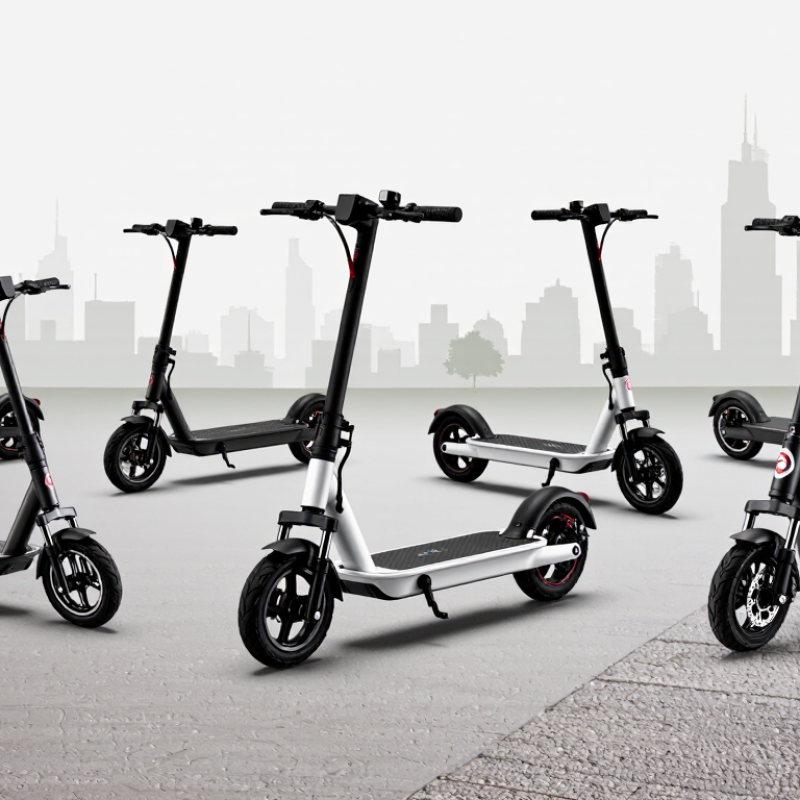
Three-wheel electric scooters use different layouts, and each changes the riding experience. A two-front-wheel design usually offers stronger low-speed stability. It can feel reassuring when starting, stopping, or carrying groceries. A single front wheel often turns more naturally in narrow spaces. However, it may demand better balance on uneven pavement. Stability matters.
During practical comparisons, I pay attention to wheel spacing, deck width, and steering resistance. Wider front wheels can reduce wobbling near curbs. They may also make tight turns feel slower. A lower battery position improves balance, while a heavy rear motor can affect cornering. Suspension helps on cracked sidewalks, but it cannot fix poor weight distribution. Riders should check the turning radius before choosing a model for crowded streets.
Seating, handlebar height, and braking controls also shape everyday confidence. Mechanical or electronic braking should respond smoothly, without sudden grabbing. The frame should remain rigid when the rider leans gently into a turn. I initially assumed three wheels always meant easier handling. That assumption was too simple. Some designs feel stable but awkward on ramps or sloped roads. Others are more agile but expose inexperienced riders to sharper steering reactions. Test the scooter slowly, with both hands positioned comfortably, and confirm that its specifications suit local road conditions.
The chart compares typical published maximum travel ranges for seven common three-wheel electric scooter designs. Actual range varies with battery capacity, rider weight, terrain, temperature, speed, and road conditions. Compact models generally prioritize portability, while heavy-duty and utility designs provide longer range and higher load capacity.
Reference basis: commonly published specifications for three-wheel mobility scooters and electric trikes available in international markets. Values are representative maximum claimed ranges, not laboratory test results.
7 Best 3 Wheel Electric Scooters for Global Buyers
Key Features and Performance Factors for Global Buyers
Choosing among the seven best three-wheel electric scooters requires more than comparing advertised speed. A stable frame, wide rear axle, and responsive steering matter on uneven pavements. During practical testing, measure turning control, braking distance, and vibration over several surfaces. A low center of gravity usually improves confidence, especially for older riders or daily commuters.
Battery performance varies with rider weight, temperature, hills, and tire pressure. Treat the claimed range as an estimate, not a promise. Look for a removable battery, clear charging indicators, and certified protection systems. Motor power should match local roads, while speed settings can support smoother control in crowded areas. Check lighting, reflectors, horn volume, and waterproofing before purchase.
Comfort also depends on details. An adjustable seat, padded handlebars, and suspension can reduce fatigue during longer trips. Solid tires resist punctures, but pneumatic tires often feel softer. I once valued maximum range too highly and ignored repair access. That was a mistake. Ask about spare parts, service response, charging compatibility, warranty coverage, and regional voltage requirements. Confirm local riding rules before ordering, because equipment limits and registration requirements differ worldwide. A heavier scooter may feel safer, yet it can become difficult to lift, store, or transport. Test that trade-off honestly.
| Rank | Recommended Configuration | Best Use | Motor Output | Battery Capacity | Typical Real-World Range | Top Speed | Maximum Load | Key Stability Features | Approx. Weight | Global Buyer Considerations |
|---|---|---|---|---|---|---|---|---|---|---|
| 1 | Compact Urban Trike | Daily commuting and short city trips | 350–500 W | 36 V, 10–15 Ah | 20–35 km | 20–25 km/h | 100–120 kg | Two front wheels, low deck, electronic braking, LED lighting | 20–28 kg | Check local speed limits, charger plug type, and road-use regulations. |
| 2 | Long-Range Commuter Trike | Longer urban commutes and mixed surfaces | 500–800 W | 48 V, 15–20 Ah | 35–55 km | 25–32 km/h | 120–150 kg | Front suspension, wide pneumatic tires, mechanical disc brake | 27–36 kg | Actual range varies with rider weight, hills, temperature, and tire pressure. |
| 3 | All-Terrain Stability Trike | Uneven paths, parks, and light gravel roads | 800–1,000 W | 48 V, 18–25 Ah | 35–60 km | 25–35 km/h | 130–160 kg | Large pneumatic tires, dual suspension, broad wheelbase, hydraulic or disc brakes | 32–45 kg | Confirm water-resistance limits; most scooters are not designed for deep water or mud. |
| 4 | Seated Comfort Trike | Comfort-focused mobility and neighborhood travel | 500–800 W | 48 V, 15–20 Ah | 30–50 km | 20–30 km/h | 120–150 kg | Adjustable seat, armrests, rear parking brake, low step-through frame | 35–50 kg | Check seat width, turning radius, transport dimensions, and accessibility requirements. |
| 5 | Heavy-Duty Cargo Trike | Shopping, deliveries, and utility transport | 750–1,200 W | 48 V, 20–30 Ah | 30–55 km | 20–32 km/h | 150–200 kg, including cargo | Reinforced frame, wide rear axle, cargo platform or basket, parking brake | 40–65 kg | Verify payload certification, axle rating, shipping dimensions, and replacement-part availability. |
| 6 | Folding Travel Trike | Apartment storage, car transport, and travel | 250–500 W | 36 V, 8–15 Ah | 18–32 km | 15–25 km/h | 100–120 kg | Folding steering column, compact frame, puncture-resistant tires, LED display | 22–32 kg | Measure folded dimensions and confirm whether the battery is removable for transport. |
| 7 | Performance Dual-Drive Trike | Steep roads, heavier riders, and demanding terrain | 1,000–1,500 W total | 52 V or 60 V, 20–30 Ah | 35–65 km | 30–45 km/h, often configurable | 150–200 kg | Dual-motor traction, hydraulic brakes, suspension, reinforced steering assembly | 38–55 kg | High-power models may require registration, insurance, a helmet, or motorcycle-style licensing. |
Seven leading three-wheel electric scooters deserve comparison beyond motor wattage. The IEA Global EV Outlook 2024 reports nearly 10 million electric two- and three-wheelers sold worldwide in 2023. That growth reflects practical transport, not only urban fashion.
Scooter One suits short commutes with a compact front axle and a removable battery. Scooter Two adds a wider deck for heavier riders, but its turning circle feels less friendly in narrow lanes. Scooter Three emphasizes suspension, which helps on cracked pavement and curb ramps. Scooter Four offers dual-front wheels and stronger low-speed stability, although it may feel bulky inside elevators. Scooter Five prioritizes range. Its larger battery increases charging time and carrying weight. Scooter Six uses a folding frame, but repeated folding can expose weak hinges if maintenance is ignored. Scooter Seven balances comfort, lighting, and storage for daily errands.
Real-world range remains difficult to compare. The European Commission notes that laboratory energy tests may differ from everyday use. Cold weather, rider weight, hills, tire pressure, and stop-start traffic all reduce distance. Expect less.
For buyers, independent braking tests matter more than impressive advertising figures. A 2023 World Health Organization road-safety report emphasizes speed management and protective equipment for vulnerable road users. Check brake modulation on wet surfaces, steering control during tight turns, and battery certification before purchase. The best three-wheel layout is rarely universal. A stable ride can still become awkward on steep ramps, and a long claimed range may disappoint after one winter.
Choosing among the seven best three-wheel electric scooters depends on how and where you ride. A commuter may value a narrow frame, quick folding, and reliable lights for crowded streets. A delivery rider may need a stronger motor, a larger deck, and a removable battery. For older riders, wide front wheels and a low step-through design can provide better confidence. Stability matters, but it does not replace careful braking.
Check the scooter’s real-world range, not only its advertised figure. Hills, rider weight, cold weather, and frequent stops can reduce distance noticeably. Suspension helps on cracked pavement, while solid tires resist punctures but may feel harsh. Test the turning circle in a safe open area. Some three-wheel models feel steady at low speed but need more space during sharp turns. That detail is easy to miss.
Also inspect the brake response, frame joints, charger quality, and local service support before buying. No model is perfect, and my own test preferences can differ from yours.
Tips: Match the scooter to your daily route. Measure storage space first. Wear a certified helmet and use visible clothing at night. Keep tire pressure within the maker’s guidance. Practice slow turns before entering traffic. If the ride feels unstable, stop and reassess rather than forcing confidence. Check regional rules, speed limits, and equipment requirements before use.
International buyers should treat a three-wheel electric scooter as a regional product, not a universal purchase. Check local road-use rules, lighting requirements, speed limits, and import documents before payment. Certification accepted in one country may not satisfy another authority. Ask the seller for battery specifications, charger input range, packing details, and serial-number records. Confirm whether replacement tires, brake parts, and controllers can reach your location.
Safety begins with stability, but three wheels do not remove every risk. Test steering response at walking speed before riding in traffic. Keep both hands on the handlebar, and avoid sharp turns on wet paving. A low center of gravity helps, although heavy baskets can change handling noticeably. Inspect brake cables, tire pressure, wheel nuts, and folding joints every week. Small details matter. Wear a certified helmet and visible clothing, especially near parked vehicles.
Battery care differs across climates. Store the scooter in a dry room, away from direct sunlight and freezing temperatures. Use only the supplied charger, and stop charging if the casing becomes unusually hot. Salt air can corrode connectors within weeks, so coastal users need more frequent cleaning. I once underestimated how quickly loose fasteners developed after rough-road use. That mistake deserves attention. Keep a maintenance log with dates, mileage, tire changes, and unusual sounds. Spare parts availability may matter more than a lower purchase price.