Why Choose Electric Scooters for Kids?
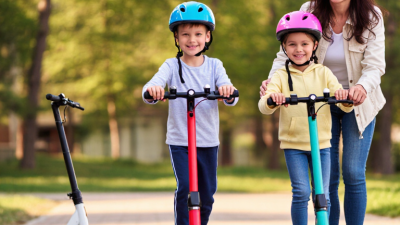
Electric Scooters For Kids can turn a short ride into an exciting outdoor activity. A child presses the throttle, feels the wheels roll, and learns to balance while moving. For families, that may mean less time indoors and more shared trips around a quiet, suitable riding area. The appeal is easy to see. So is the need for care.
A scooter is not the right fit for every child. Before choosing one, compare the manufacturer’s age and weight guidance, handlebar height, braking system, and speed settings. A lightweight model may be easier to control, but it still needs regular checks. Look for loose parts, worn tires, and brakes that respond reliably. A properly fitted helmet and close adult supervision matter, especially while a child is learning. Choose a smooth, open place away from traffic, and review the product instructions before the first ride.
The small details count. Can your child reach the brake without stretching? Can they stand steadily with both feet on the deck? These simple checks can reveal more than a flashy product description. Electric scooters can support confidence and coordination, but they do not replace active supervision or practice. And not every ride will go smoothly. A child may need time to stop comfortably or judge turns. That is worth considering before buying. With a suitable model, clear boundaries, and patient guidance, families can make safer, more informed choices—and decide whether a scooter genuinely suits their child.
What Electric Scooters for Kids Are
Why Choose Electric Scooters for Kids?
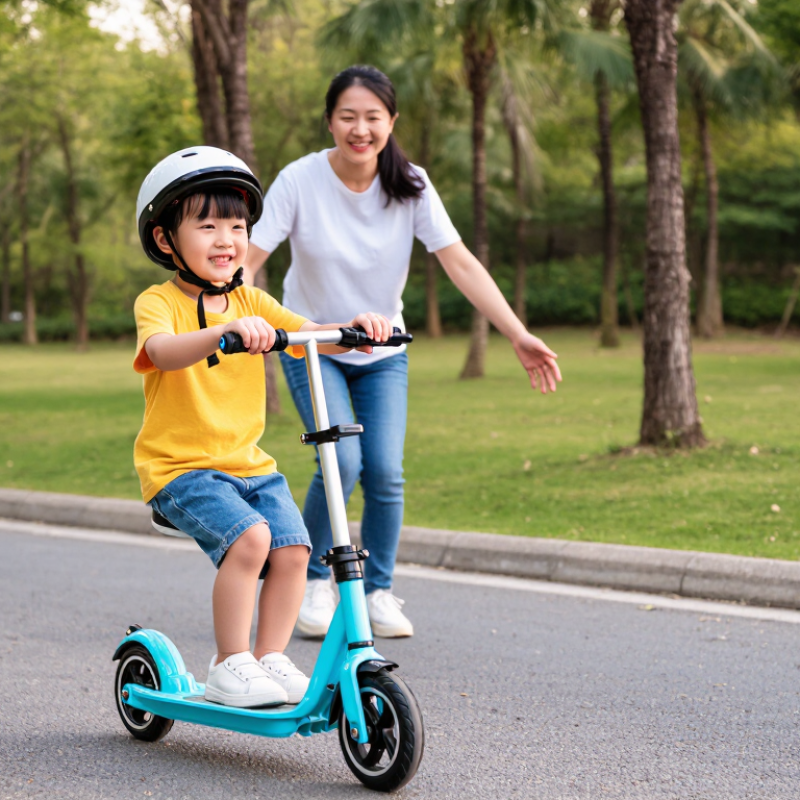
An electric scooter for kids is a small, battery-powered ride-on vehicle. A child stands on its deck, holds the handlebars, and uses the controls to move. Most models include a motor, rechargeable battery, and braking system. Features vary, so check the product instructions for age, weight, and skill guidance. Some scooters offer adjustable speed settings; others do not.
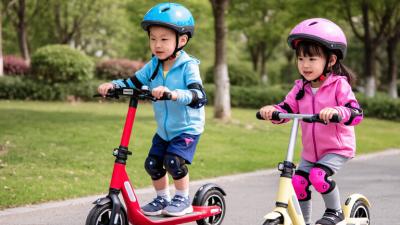
These scooters can make short outdoor rides engaging and help children practice balance and steering. They are not automatically easy to use. A child may find the throttle or brakes surprising at first, especially on a bumpy path. Start in a flat, open area, away from traffic and obstacles. An adult should supervise, and a properly fitted helmet and other suitable protective gear can reduce injury risk. The ride should stop if the child feels tired or loses control.
Tips: Read the manual before the first ride. Check the brakes, tires, and battery, then practice starting and stopping slowly. Choose a dry, smooth surface. A scooter can be fun, but it is not a substitute for attentive supervision.
How Kids’ Electric Scooters Work
A child’s electric scooter uses a rechargeable battery to power a small electric motor, often built into a wheel. When the child presses the throttle, a controller sends electricity from the battery to the motor. The wheel turns, moving the scooter forward. Simple, but not magic. The controller helps manage power, so acceleration feels steadier than a direct connection might. On many models, releasing the throttle stops adding power, while a brake slows the wheels. Designs differ, so the owner’s manual is the best guide to a particular scooter.
Before a ride, an adult can check the battery charge, tires, throttle, and brakes. A loose brake lever or soft tire can change how the scooter responds. The rider should start on flat, dry ground and learn the controls at a walking pace. Small details matter. Some scooters require a push before the motor engages; others respond as soon as the throttle is pressed. That difference can surprise a new rider. A helmet and close adult supervision help reduce risk, but they cannot prevent every fall. The motor may also sound quiet, so people nearby might not hear the scooter approaching. It is worth practicing stops, not just starts.
Key Benefits of Electric Scooters for Kids
Electric scooters can make short family outings feel more inviting for children. With a steady deck and simple controls, a child can practise balance, steering, and judging distance on familiar paths. Small wins matter. Reaching the park under their own control may build confidence and encourage more time outdoors. Some children still find the speed or noise unsettling, so enthusiasm is not guaranteed. They are not a substitute for walking or active play. That distinction is easy to forget.
These scooters may also make longer neighborhood trips less tiring, especially when an adult sets a calm pace. Children can learn to scan ahead, slow down near crossings, and stop when asked, with close adult supervision. Those habits take practice. Choose a scooter suited to the child’s size and ability, and check its brakes, tires, and battery before each ride. Protective gear and a smooth, traffic-free practice area help reduce avoidable risks.
Tips: Start with a short, level route. Agree on a stop signal and keep the first rides brief. If a child looks tense, pause; pushing through can make learning harder.
Safety Features and Responsible Riding
An electric scooter can make a short ride exciting, but safety depends on more than a speed setting. Choose a scooter that fits the child, with a stable deck, responsive brakes, and an easy-to-control throttle. A helmet should sit level and feel snug, with its strap fastened. Loose straps can reduce protection. Closed-toe shoes help, too. Small details matter.
Before each ride, an adult can check the tires, brakes, handlebars, and battery. Test the scooter at walking pace in a flat, open space, away from traffic and crowded paths. Teach the child to start gently, keep both hands on the handlebars, and slow down before turning. If something feels uncertain, step off. Practice helps.
Set boundaries that match the child’s ability, and follow the scooter’s age and weight guidance. Avoid wet or uneven surfaces, where grip and control can change quickly. Lights and reflective clothing can help others see a rider in dim conditions, but they do not make every route safe. It is easy to assume a child remembers every rule when excited. Stay nearby, and repeat the basics without turning each ride into a lecture.
How to Choose a Scooter for a Child
Choosing an electric scooter for a child starts with fit, not top speed. Check the manual’s age and weight limits, then make sure your child can reach the controls without stretching. A steady stance matters: both feet should sit securely on the deck, with knees slightly bent. Look for predictable acceleration, a clearly reachable brake, and tires suited to the smooth, dry surfaces where the scooter will be used. A heavier scooter may feel stable, but it can be difficult for a child to move or park. Test the handlebar height together if possible. Small details count.
Safety deserves equal weight. The U.S. Consumer Product Safety Commission’s 2023 micromobility report estimated 104,000 emergency-department-treated injuries across e-scooters, e-bikes, and other covered products; that figure is not specific to children. It is a useful reminder to check the whole setup, not just the scooter. Choose a properly fitted helmet and protective gear, and practise braking in a clear, level area under adult supervision. Check the battery and charger instructions, too, and stop using the scooter if parts are loose or damaged. I would not assume a child is ready just because the scooter fits; confidence can arrive before good judgment. A short practice ride can reveal more than a product label.