Choosing an adult three-wheel scooter is about more than adding another tire. The extra wheel can improve low-speed balance, but it also changes steering, turning space, and the feel of the ride. On a crowded sidewalk or a sloped driveway, those differences become clear quickly. Small details matter.
“Stability is useful only when the scooter still feels easy to control,” says mobility reviewer Jordan Ellis. That practical idea guides this look at the 10 best three-wheel electric scooters for adults. The models deserve comparison beyond bold range claims. We consider deck space, braking response, rider comfort, portability, and how each scooter may suit different daily routines. A wide seat may help on longer trips. A heavy frame may be harder to lift into a car. There is no perfect fit.
Electric Scooter 3 Wheels options can serve commuters, older riders, and people who value a steadier platform. Still, three wheels do not guarantee safety or comfort for every rider. Test the controls, check the turning radius, and read the manufacturer’s specifications before buying. This guide aims to make those trade-offs easier to see. It may not settle every question. That is worth admitting.
Adult three-wheel electric scooters generally use one of two layouts: delta, with one front wheel and two rear wheels, or tadpole, with two front wheels and one rear wheel. Delta designs often feel familiar at low speed, while twin front wheels can provide a broad front track. Neither layout guarantees stability. Turning too sharply, especially on uneven pavement, can still unsettle a rider.
A second distinction is whether the chassis leans into turns. Non-tilting models stay upright, which can feel reassuring during slow trips, but they may corner less naturally. Tilting designs follow the rider’s lean; their controls and balance take practice. Check the deck width, seat or handlebar reach, brake response, and suspension over a curb-height bump. Small details matter.
CPSC’s 2023 Micromobility-Related Deaths, Injuries, and Hazard Patterns report estimated about 104,000 emergency-department-treated injuries across micromobility devices in 2023, a 23% rise from 2022. That figure covers multiple device types, not three-wheel scooters alone. The distinction matters. It also means buyers should not read a wheel count as a safety rating. Battery placement, tire grip, braking, and rider fit deserve equal attention. A slightly awkward test ride can reveal more than a neat specification sheet.
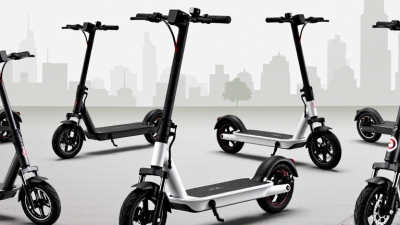
For adult three-wheel electric scooters, safety starts with a stable layout, not a high top speed. A wide wheelbase and low battery placement can help at walking pace, but sharp turns may still lift an inside wheel. Check for responsive brakes, a reachable parking brake, front and rear lights, reflectors, and a clearly listed weight limit. Comfort matters too. An adjustable tiller, supportive seat, and padded armrests can reduce strain on longer rides. Suspension softens bumps, though small, hard tires may still rattle over broken pavement.
A 2019 JAMA Network Open study of stand-up electric scooters in Austin estimated 20 injuries per 100,000 trips; 48% of injured riders had head injuries. The study did not test seated three-wheel scooters, so its figures cannot predict their exact risk. Still, the findings make braking, visibility, and protective gear worth careful attention. Performance claims deserve scrutiny as well: advertised range can change with rider weight, hills, temperature, and frequent stops. Real conditions are messy.
Tips: Test the scooter on a flat, open surface before using it in traffic. Practise slow turns and stopping, then check whether the controls feel easy to reach. Ask for range figures under load, not just ideal conditions. A small detail, like a brake lever that feels awkward with gloves, can matter more than a glossy speed figure.
Typical advertised travel range for many adult three-wheel mobility scooters is approximately 10–25 miles per charge.
These figures are a broad reference, not a model comparison. Real-world range varies with battery capacity, rider weight, terrain, temperature, and speed. When comparing scooters, also check braking, stability, lighting, seat comfort, and turning space.
Comparing adult three-wheel electric scooters means looking beyond wheel count. Check the front-wheel layout, rear axle width, and turning radius. A wider rear stance may feel steadier at a stop, but it can make tight hallways awkward. Small details matter. Measure your doorway and storage space before trusting a product photo.
Compare rated payload, motor output, battery capacity in watt-hours, and braking hardware. A larger battery may support longer trips, but rider weight, hills, temperature, and speed change real-world range. I would treat advertised range as a starting point, not a promise. Look for clear brake and tire specifications, plus an accessible step-through height if frequent mounting matters. UL 2272 addresses electrical-system safety; it does not certify handling or stopping distance.
Use independent evidence carefully. NACTO’s 2023 Shared Micromobility Report counted 133 million shared micromobility trips in the United States that year. That figure shows substantial use of shared devices, not proven performance for personal three-wheel scooters. Not the same thing. Compare warranty terms, service access, and replacement-part availability alongside specifications. A polished comparison chart can still hide missing test conditions, so ask how range and braking claims were measured.
10 Best 3-Wheel Electric Scooters for Adults
Choosing among the 10 best three-wheel electric scooters for adults means checking fit, stability, and real-world usability—not just advertised range. A wider stance and two rear wheels can feel reassuring when turning slowly, but they do not prevent tipping on sharp corners or uneven pavement. Check the manufacturer’s rated load, braking system, turning space, and whether the seat and handlebars adjust to your body. A heavy scooter may feel steady outdoors, yet become awkward beside a doorway. That trade-off matters.
The NACTO 2022 Shared Micromobility report recorded 113 million shared bike and scooter trips across the United States and Canada. That figure shows growing use, not proof that every three-wheel model suits every rider. Shared scooters also differ from seated, privately owned three-wheelers. For a useful comparison, note each model’s verified range, charging time, ground clearance, lighting, and service support. Test turning and braking on a flat, open surface if possible. I would not treat a claimed maximum range as a daily promise; hills, rider weight, and cold weather can reduce it.
Tips: Measure your narrowest doorway and storage area before buying. Confirm the scooter fits, then check that you can reach the controls comfortably. A short test ride can reveal an awkward turning radius or a seat that looks better than it feels.
Source: NACTO, Shared Micromobility in the U.S. and Canada, 2022.
How to read this guide: These are type-based recommendations, not named or brand-specific products. Three-wheel electric scooters include both stand-up and seated designs, so performance, range, load limits, and features vary by model. Check the individual product specifications before buying.
| Rank | Scooter Type | Best For | Typical Configuration | Main Advantages | Things to Check |
|---|---|---|---|---|---|
| 1 | Compact folding stand-up scooter | Short urban trips and riders with limited storage space | Standing deck, handlebar steering, and a folding frame; wheel arrangement varies by design | Generally easier to store and carry than a full-size seated scooter | Folded dimensions, total weight, deck size, and whether the scooter is practical to lift |
| 2 | Seated commuter scooter | Everyday neighborhood or campus travel | Seat, handlebars, foot platform, and three wheels | A seated riding position can be more comfortable than standing for some adults | Seat adjustability, braking system, lighting, and the manufacturer's stated range |
| 3 | Wide-deck stability-focused scooter | Riders who prefer more foot space while standing | Standing deck with a wider platform and three-wheel chassis | More room to position both feet than a narrow-deck design | Deck dimensions, turning space, handlebar reach, and stated rider-weight limit |
| 4 | Three-wheel mobility scooter | Daily local mobility on accessible, relatively smooth routes | Seated design with a tiller-style steering column and mobility-scooter controls | Designed around seated operation and low-speed personal mobility | Turning radius, seat comfort, ground clearance, battery charging, and transport options |
| 5 | Portable travel mobility scooter | Users who need a scooter that can be disassembled or folded for transport | Compact seated mobility design, often with separable or folding sections | Transport-focused construction can make storage and vehicle loading easier | Heaviest component weight, assembled dimensions, battery removal, and airline rules if relevant |
| 6 | Long-range seated scooter | Longer outings where fewer charging stops are preferred | Seated electric design with a battery sized for extended use | May offer more battery capacity than compact, short-trip designs | Range is affected by rider weight, terrain, speed, temperature, and battery condition; compare tested range details |
| 7 | Heavy-duty seated scooter | Riders who need a higher stated load capacity or a roomier seat | Reinforced seated frame with a larger seat or platform, depending on the model | Can provide a more accommodating fit when its limits and dimensions suit the rider | Maximum load, seat width, overall width, braking, and how added capacity affects portability |
| 8 | All-terrain-style mobility scooter | Routes that include firm paths and mildly uneven surfaces | Seated design with larger wheels or increased ground clearance on some models | Some models are better equipped for uneven surfaces than compact indoor-oriented designs | Manufacturer-approved surfaces, tire type, suspension, ground clearance, and wet-weather guidance |
| 9 | Indoor-friendly compact scooter | Homes, shops, and other spaces where maneuverability matters | Compact seated or stand-up layout with a relatively small overall footprint | Smaller dimensions may make tight spaces easier to navigate | Turning radius, total width, doorway clearance, and safe operation on indoor flooring |
| 10 | Comfort-oriented seated scooter | Riders prioritizing a relaxed position for routine local trips | Seated layout that may include adjustable seating, armrests, or a padded backrest | Ergonomic features can help tailor the riding position to the user | Seat fit, control reach, suspension details, step-through access, and ease of getting on and off |
Choosing among three-wheel electric scooters starts with the route you actually ride, not the longest range listed on a spec sheet. A smooth path to a nearby shop is different from cracked pavement, steep driveways, or crowded sidewalks. Check the manufacturer’s stated limits for rider weight, gradients, and outdoor use. Then compare those details with your daily trip. Measure twice. A wide deck and stable stance can feel reassuring, but a larger scooter may be awkward in a narrow hallway or small car trunk.
Think about comfort and control during a real ride. Handlebar reach, seat height, turning radius, and brake placement all affect how confidently you can move and stop. Three wheels do not automatically prevent tipping, especially during sharp turns or on uneven ground. Slow down and turn gently. If possible, test the scooter on a surface similar to your usual route. Notice vibration through the handlebars, how easily you can mount it, and whether the controls remain clear when wearing gloves.
Battery range deserves a practical margin. Cold weather, hills, heavier loads, and frequent stops can reduce how far a charge lasts. Allow room for those changes instead of planning around the best-case figure. Also check charging time, battery access, lighting, and storage for essentials. These details sound small. They shape everyday use. I would not assume the first model that feels comfortable in a showroom will suit a longer ride; a second test can reveal an awkward seat or tiring steering.